When to Plant: Bishop's Cap Cactus 🌵
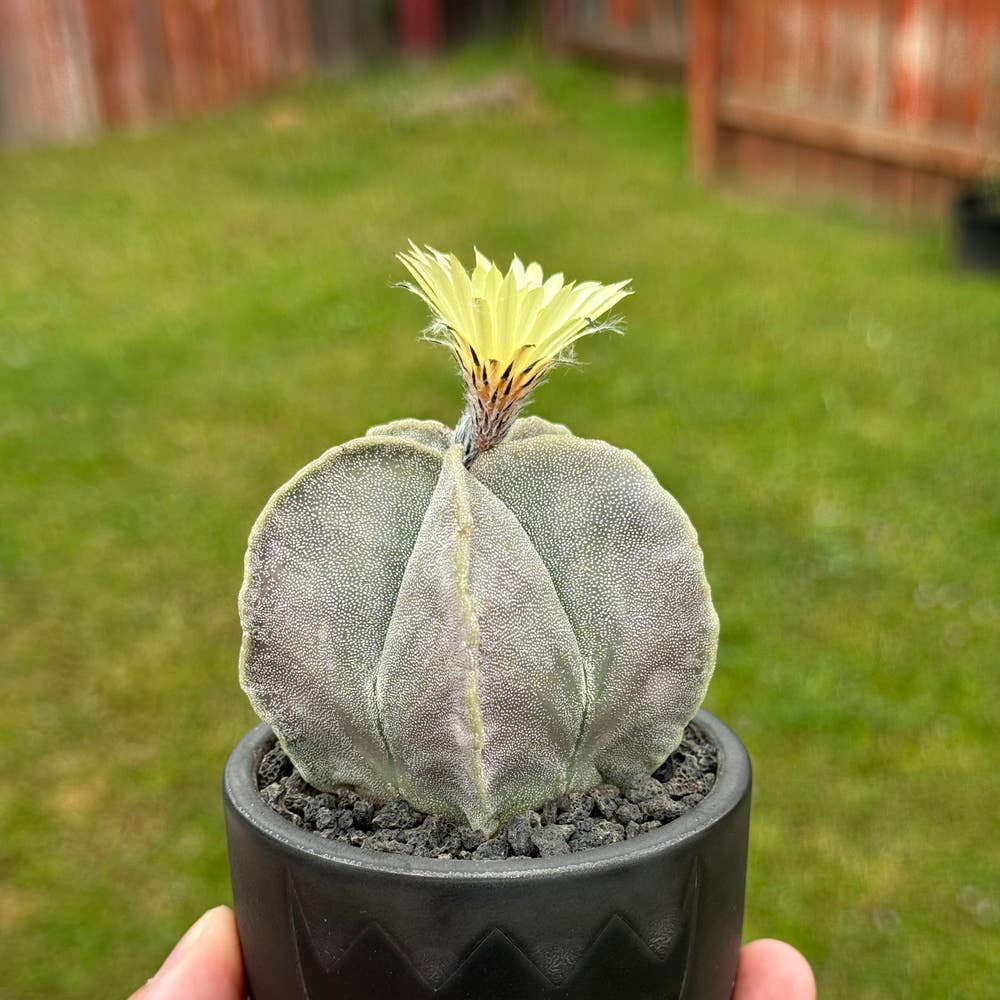
Astrophytum myriostigma
By the Greg Editorial Team
Sep 30, 2024•11 min read
This article was created with the help of AI so we can cover more plants for you. May contain errors. See one? Report it here.
- 🌡️ Plant Bishop's Cap Cactus when soil is 70°F to 85°F for optimal growth.
- ❄️ Avoid frost damage by planting after local frost dates; check USDA zones.
- 🌞 Ideal day length for growth is 14 to 16 hours; plan accordingly!
Importance of Frost Dates
Understanding frost dates is crucial for successfully planting Bishop's Cap Cactus. These dates mark the last spring frost and the first fall frost, serving as essential indicators for when to plant.
❄️ Impact of Frost on Bishop's Cap Cactus
Bishop's Cap Cactus is particularly sensitive to frost. Young plants can suffer severe damage or even die if exposed to frost, making it vital to plant only after the last frost date in spring.
📅 How to Find Local Frost Dates
To determine your local frost dates, consult USDA hardiness zones. Local agricultural extensions also provide valuable information tailored to your specific area, ensuring you plant at the right time for optimal growth.
By paying attention to frost dates, you set the stage for a thriving Bishop's Cap Cactus. Next, let’s explore the importance of soil temperature in the planting process.
Soil Temperature Considerations
Ideal Soil Temperature for Planting 🌡️
For Bishop's Cap Cactus, the ideal soil temperature ranges from 70°F to 85°F (21°C to 29°C). This temperature range is crucial for ensuring optimal germination and growth.
Methods to Check Soil Temperature 🌍
To accurately gauge soil temperature, using a soil thermometer is highly recommended. This tool provides precise readings, helping you determine the right time for planting.
Timing is also essential; soil typically warms up in spring, so check temperatures regularly as the season progresses.
Effects of Soil Temperature on Germination and Growth 🌱
Soil temperature significantly impacts germination rates. If the soil is too cold, you may experience delayed germination and stunted growth.
Conversely, if the soil is too warm, it can promote rapid growth but may lead to increased water requirements. Balancing these factors is key to a successful planting experience.
Understanding soil temperature is vital for nurturing your Bishop's Cap Cactus. With the right conditions, you can set the stage for vibrant growth and flourishing plants.
Next, let’s explore how day length influences the growth of this unique cactus.
Day Length and Growth
🌅 Understanding Photoperiodism
Photoperiodism is the plant's response to the length of day and night. For the Bishop's Cap Cactus, this means that the duration of daylight directly influences its growth and flowering.
⏰ Ideal Day Length for Bishop's Cap Cactus
The ideal day length for optimal growth is between 14 to 16 hours. Longer days encourage the cactus to bloom and thrive, making timing crucial for successful planting.
🍃 Seasonal Changes in Day Length
As spring approaches, day lengths increase, providing the perfect conditions for planting. Aligning your planting schedule with these longer days will help ensure your Bishop's Cap Cactus flourishes.
Incorporating these factors into your planting strategy will set you up for success. Next, we'll explore regional planting considerations to further refine your approach.
Regional Planting Considerations
🌴 Florida
The optimal planting time for Bishop's Cap Cactus in Florida is from March to April. This timing takes advantage of the warm climate and minimal frost risk, ensuring healthy growth.
Soil temperature is another crucial factor. In Florida, the soil warms up quickly, making it ideal for planting during this period.
🌊 California
In California, the best time to plant is between March and May. The state's varied climate zones, from coastal to inland, significantly influence this timing.
Consider both soil temperature and day length when planting. Coastal areas may warm up slower than inland regions, so adjust your planting schedule accordingly.
🤠 Texas
For Texas, the optimal planting window stretches from April to June. The state's diverse climate regions, such as East Texas and West Texas, require careful consideration of local conditions.
Frost dates and soil conditions play a vital role in determining the best planting time. Be sure to check local forecasts to avoid any surprises.
🍎 New York
In New York, late May to June is the ideal planting time. The cooler climate and potential frost risk necessitate waiting until the danger has passed.
Indoor seed starting is highly recommended in this region. Starting seeds indoors allows for an earlier growing season, giving your plants a head start.
⛰️ Colorado
June is the prime planting month for Bishop's Cap Cactus in Colorado. The high elevation and late frost dates mean that patience is key.
Soil warming is essential before planting. Ensure the ground is adequately warmed to support healthy growth.
🌽 Ohio
For Ohio, late May to June is the best time to plant. Similar to New York, frost dates and soil temperature are critical factors to consider.
Local growing season variations can affect your timing. Stay informed about your specific area to maximize your planting success.
These regional considerations will help you choose the right time to plant Bishop's Cap Cactus, ensuring a thriving garden. Next, let’s explore effective seed starting techniques to further enhance your planting success.
Seed Starting Techniques
🌱 Indoor Seed Starting vs. Direct Sowing
Indoor seed starting offers several advantages. It provides a controlled environment for germination, ensuring optimal conditions for your Bishop's Cap Cactus.
Additionally, starting seeds indoors extends your growing season. This is especially beneficial in regions with shorter warm periods.
Best Practices for Indoor Seed Starting
To maximize your success, use seed trays and grow lights. These tools create the perfect microclimate for your seeds.
Timing is crucial; start seeds 6-8 weeks before the last frost date. This gives your plants a head start, allowing them to thrive once they’re outdoors.
⏰ Timing Considerations for Starting Seeds Indoors
The timing for starting seeds indoors varies by region. Here’s a quick guide:
- Florida: January to February
- California: January to March
- Texas: February to March
- New York: March to April
- Colorado: April
- Ohio: March to April
Knowing when to start seeds can make all the difference in your planting success.
🌾 Best Practices for Direct Sowing
For successful direct sowing, pay attention to soil temperature and moisture levels. These factors are critical for seed germination and healthy growth.
It's best to sow seeds after the last frost date and when the soil is adequately warm. This ensures that your Bishop's Cap Cactus has the best chance to flourish in its new environment.
With these techniques in mind, you’re well on your way to cultivating a thriving Bishop's Cap Cactus. Next, let’s explore comprehensive planting guides tailored to each state.
Comprehensive Planting Guide
List of All 52 States and Optimal Planting Times 🌱
When it comes to planting Bishop's Cap Cactus, timing is everything. Here’s a detailed planting calendar for each state, ensuring you know the best months to get your cactus in the ground based on local conditions.
| State | Optimal Planting Time |
|---|---|
| Florida | March to April |
| California | March to May |
| Texas | April to June |
| New York | Late May to June |
| Colorado | June |
| Ohio | Late May to June |
| Alabama | March to April |
| Arizona | March to May |
| Arkansas | April to June |
| Colorado | June |
| Connecticut | Late May to June |
| Delaware | Late May to June |
| Georgia | March to April |
| Hawaii | Year-round |
| Idaho | May to June |
| Illinois | Late May to June |
| Indiana | Late May to June |
| Iowa | Late May to June |
| Kansas | April to June |
| Kentucky | Late May to June |
| Louisiana | March to April |
| Maine | June |
| Maryland | Late May to June |
| Massachusetts | Late May to June |
| Michigan | Late May to June |
| Minnesota | June |
| Mississippi | March to April |
| Missouri | April to June |
| Montana | June |
| Nebraska | Late May to June |
| Nevada | March to May |
| New Hampshire | Late May to June |
| New Jersey | Late May to June |
| New Mexico | March to May |
| North Carolina | March to April |
| North Dakota | June |
| Ohio | Late May to June |
| Oklahoma | April to June |
| Oregon | April to June |
| Pennsylvania | Late May to June |
| Rhode Island | Late May to June |
| South Carolina | March to April |
| South Dakota | June |
| Tennessee | April to June |
| Texas | April to June |
| Utah | April to June |
| Vermont | June |
| Virginia | Late May to June |
| Washington | April to June |
| West Virginia | Late May to June |
| Wisconsin | June |
| Wyoming | June |
Summary of Key Factors for Successful Planting 🌼
To ensure your Bishop's Cap Cactus thrives, keep these critical factors in mind:
- Frost Dates: Always plant after the last spring frost to protect young plants.
- Soil Temperature: Aim for a warm soil temperature between 70°F to 85°F (21°C to 29°C) for optimal growth.
- Day Length: Longer days (14-16 hours) are ideal for promoting flowering and growth.
Adapting your planting strategies to local conditions is essential for maximum success. Understanding your region's unique climate and soil conditions will help you cultivate a thriving cactus garden.
⚠️ Safety First
This content is for general information and may contain errors, omissions, or outdated details. It is not medical, veterinary advice, or an endorsement of therapeutic claims.
Always consult a qualified healthcare professional before using any plant as food, medicine, or supplement.
Never eat any plant (or feed one to pets) without confirming its identity with at least two trusted sources.
If you suspect poisoning, call Poison Control (800) 222-1222, the Pet Poison Helpline (800) 213-6680, or your local emergency service immediately.
Spotted an error? Please report it here.
Plant your Bishop's Cap Cactus at the right time with Greg's tailored reminders and expert tips, ensuring it flourishes in its perfect environment! 🌱