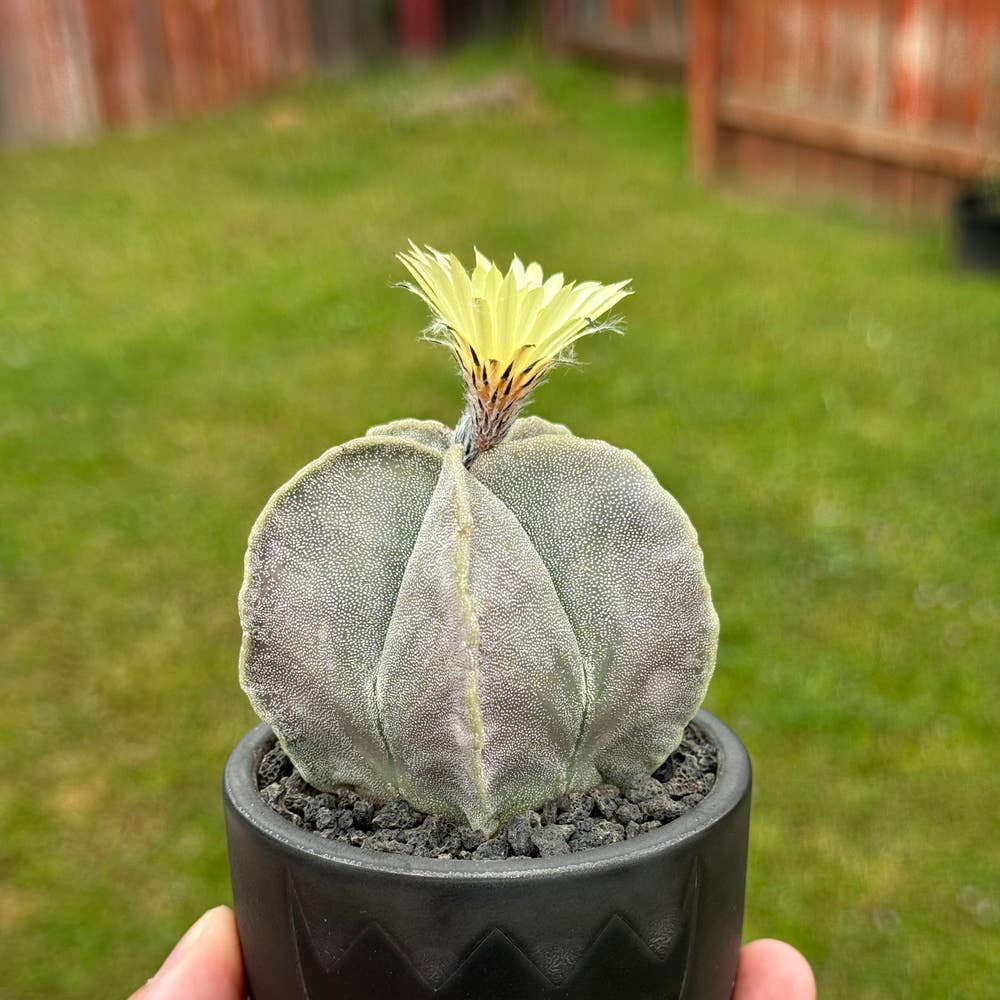
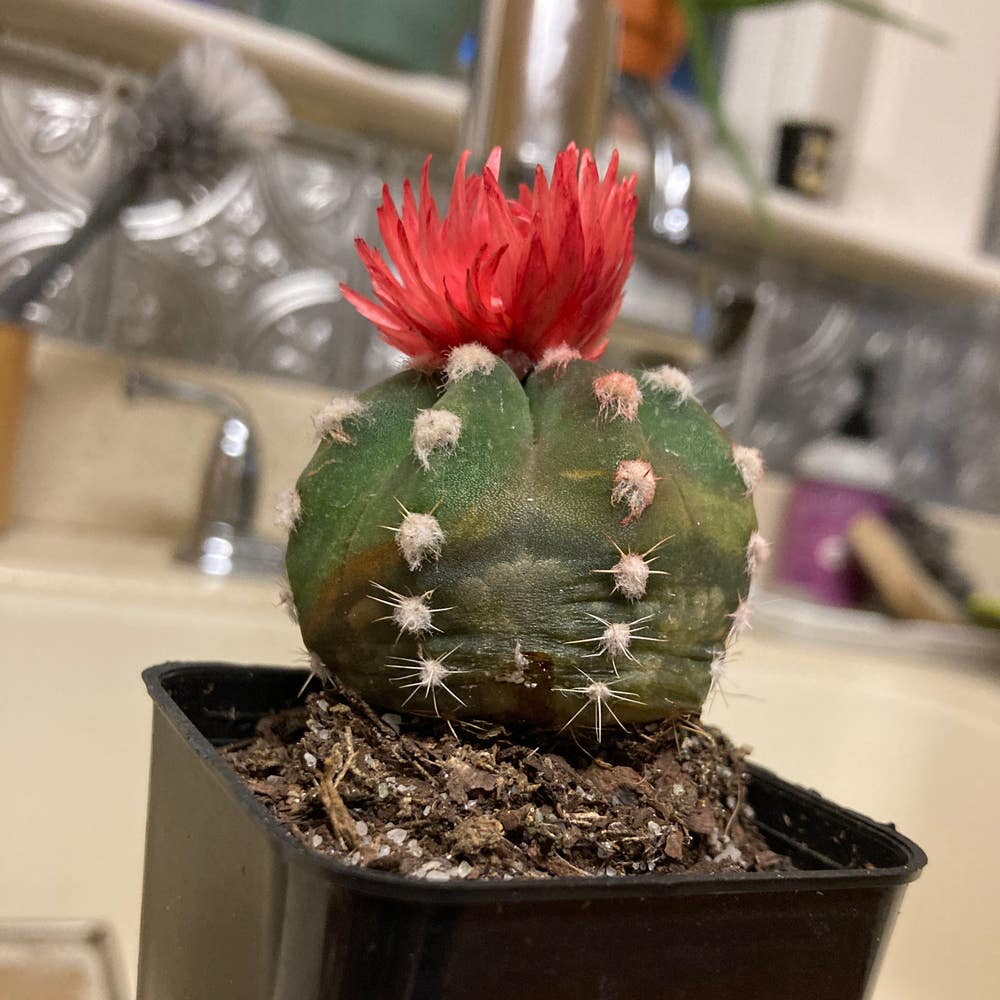
5 Indoor Bishop's Cap Cactus Care Dos and Don'ts 🌵
Astrophytum myriostigma
By the Greg Editorial Team
Sep 30, 2024•5 min read
This article was created with the help of AI so we can cover more plants for you. May contain errors. See one? Report it here.
- 🌞 Bishop's Cap thrives in bright, indirect sunlight for 6-8 hours daily.
- 💧 Water every 2-3 weeks; overwatering causes yellowing, while underwatering leads to shriveling.
- 🌡️ Maintain 20°C to 30°C temperature and 30-50% humidity for optimal growth.
Light Requirements
Optimal Indoor Light Levels 🌞
For your Bishop's Cap cactus, bright, indirect sunlight is the golden ticket. Aim for 6-8 hours of this ideal light daily to keep your plant thriving.
If your cactus shows signs of etiolated growth or pale color, it’s a clear signal that it’s not getting enough light. Adjust its position to remedy this issue.
Role of Grow Lights 💡
When natural light is scarce, grow lights become essential. They provide the necessary illumination for your cactus to flourish indoors.
Using grow lights offers several benefits, including enhanced growth and vibrant color. Just remember to consider the light spectrum, wattage, and size to ensure optimal performance.
Choosing the Best Grow Light 🛠️
When selecting grow lights, you’ll typically choose between LED and fluorescent options. Both have their merits, but LEDs are often favored for their energy efficiency and longevity.
Placement is crucial for effectiveness. Position your grow lights about 12-24 inches above the cactus to maximize exposure without causing stress.
With the right light setup, your Bishop's Cap cactus will not only survive but thrive, setting the stage for the next essential care aspect: watering needs.
Watering Needs
Frequency and Amount 🌊
To keep your Bishop's Cap cactus thriving, water it every 2-3 weeks during the growing season. Make sure to soak the soil thoroughly, allowing any excess water to drain out completely.
Signs of Overwatering and Underwatering 🚨
Overwatering can lead to yellowing leaves, mushy stems, and even root rot. On the flip side, if your cactus appears wrinkled or shriveled, it's likely suffering from underwatering, which can stunt its growth.
Understanding these watering needs is crucial for maintaining a healthy cactus. With the right balance, your Bishop's Cap will flourish, setting the stage for vibrant growth and beauty.
Next, let’s explore the ideal humidity and temperature conditions for your indoor cactus.
Humidity and Temperature
Ideal Humidity Levels 🌧️
Maintaining the right humidity is crucial for your Bishop's Cap cactus. Aim for a humidity range of 30-50% to keep your plant thriving indoors.
Too much or too little humidity can stress your cactus, affecting its growth and overall health. Regularly monitor humidity levels to ensure your cactus gets the moisture it needs without becoming waterlogged.
Temperature Range for Indoor Growth 🌡️
For optimal growth, keep your cactus in a temperature range of 20°C to 30°C (68°F to 86°F). This range mimics its natural habitat and encourages healthy development.
Be mindful of cold tolerance; your cactus can handle temperatures as low as 10°C (50°F). However, avoid exposing it to extreme temperature fluctuations, especially during seasonal changes, to prevent stress and damage.
As the seasons shift, adjust your care routine accordingly. In winter, reduce watering and ensure your cactus is in a warm spot away from drafts. This proactive approach will help your cactus flourish year-round.
With the right humidity and temperature, your Bishop's Cap cactus will be well on its way to becoming a stunning indoor centerpiece. Next, let’s explore the best soil and fertilization practices to keep your plant healthy and vibrant.
Soil and Fertilization
Best Soil Types 🌵
Choosing the right soil is crucial for your Bishop's Cap cactus. A well-draining cactus mix or a homemade blend of sand, perlite, and potting soil works wonders.
Proper drainage is essential to prevent root rot, which can be a silent killer for indoor cacti. Ensure your pot has drainage holes to allow excess water to escape.
Fertilization Schedule and Types 🧪
Fertilizing your cactus is key to its growth and vitality. Aim to fertilize every 4-6 weeks during the growing season for optimal results.
Use a balanced cactus fertilizer or a diluted liquid fertilizer to provide essential nutrients. Watch for signs of nutrient deficiency, such as stunted growth or pale color, which indicate your cactus may need a boost.
With the right soil and fertilization practices, your Bishop's Cap cactus will thrive and add beauty to your indoor space. Next, let’s explore how to tackle common issues and keep your cactus looking its best.
Common Issues and Solutions
🐜 Pests and Prevention
Indoor Bishop's Cap Cactus can attract pests like mealybugs and spider mites. Regular inspection is key; check the undersides of leaves and around the base for any signs of infestation.
To prevent these pests, maintain a clean environment. Wipe down leaves with a damp cloth and consider using natural pest control methods, such as neem oil, to keep your cactus healthy.
✂️ Appearance Maintenance
Pruning is essential for maintaining the shape and health of your cactus. Trim any dead or damaged spines to encourage new growth and enhance its appearance.
Look for signs of healthy growth, such as vibrant color and the emergence of new spines. Keeping your cactus looking its best not only boosts its ornamental value but also contributes to its overall health.
Maintaining your Bishop's Cap Cactus is a rewarding experience. With a little attention to pests and appearance, you can enjoy a thriving indoor plant that brings joy to your space.
As you care for your cactus, remember that seasonal adjustments are just around the corner. Let's explore how to adapt your care routine throughout the year.
Placement and Environment
Best Locations in the Home 🌞
Finding the right spot for your Bishop's Cap cactus is crucial. Aim for south or west-facing windows where it can soak up bright, indirect sunlight.
Avoid placing your cactus near drafts or areas with extreme temperature fluctuations. Consistency is key for healthy growth.
Seasonal Care Tips 🍂
As the seasons change, so should your care routine. Adjust your watering and light exposure to match the needs of your cactus throughout the year.
In winter, reduce watering frequency and ensure it still gets adequate light. Spring is the time to ramp up care as your cactus comes out of dormancy, so keep an eye on its needs.
With the right placement and seasonal adjustments, your Bishop's Cap cactus will thrive beautifully indoors.
⚠️ Safety First
This content is for general information and may contain errors, omissions, or outdated details. It is not medical, veterinary advice, or an endorsement of therapeutic claims.
Always consult a qualified healthcare professional before using any plant as food, medicine, or supplement.
Never eat any plant (or feed one to pets) without confirming its identity with at least two trusted sources.
If you suspect poisoning, call Poison Control (800) 222-1222, the Pet Poison Helpline (800) 213-6680, or your local emergency service immediately.
Spotted an error? Please report it here.
Nurture your Bishop's Cap cactus to new heights 🌵 with Greg's tailored care reminders and light tips, ensuring it thrives in your home all year round!