Why Are My Bishop's Cap Cactus Leaves Falling Over?
Astrophytum myriostigma
By the Greg Editorial Team
Jun 18, 2024•3 min read
This article was created with the help of AI so we can cover more plants for you. May contain errors. See one? Report it here.
- Overwatering and underwatering can both cause leaf droop; check soil moisture.
- 🌵 Bright, indirect sunlight is key to preventing weak stems.
- Well-draining soil and pot ensure proper growth and stability.
Spotting the Signs: Is Your Cactus in Distress?
Identifying normal growth versus signs of trouble in your Bishop's Cap Cactus is crucial to its care.
🌵 Identifying Normal Growth
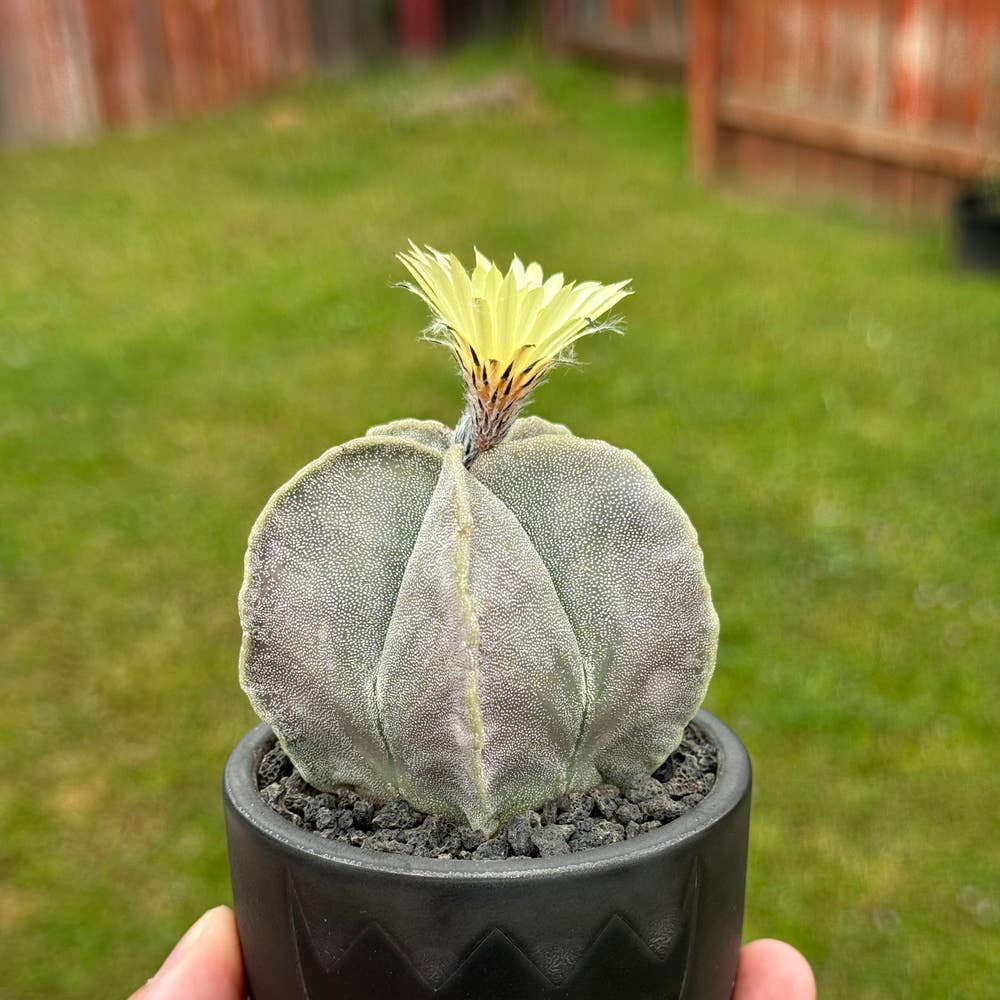
A healthy Bishop's Cap Cactus boasts a star shape with four to eight speckled ribs. Its leaves stand upright, firm, and feature a vibrant color.
🚨 Signs of Trouble
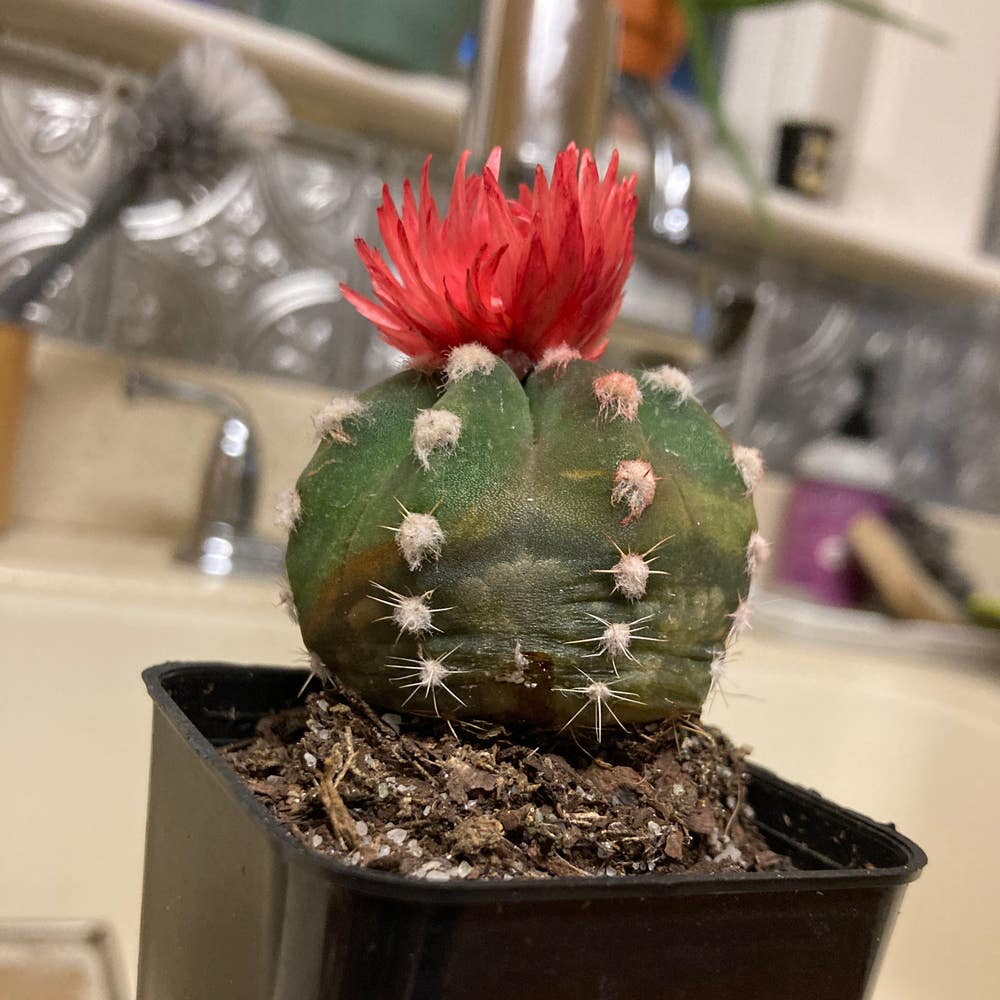
Discoloration or structural changes are your cactus's SOS. Watch out for unusual colors, spots, or a loss of firmness—these are red flags.
👀 Visual Cues for a Healthy Cactus
Look for steady growth and a lack of blemishes. The cactus should maintain its natural green hue without any brown, crispy patches indicative of sunburn.
🍂 Visual Cues for a Cactus with Falling Leaves
Wilting or limp leaves are akin to a fever in humans. If the leaves start looking wrinkled or have stopped growing, it's time for action.
Observant Care
Regular check-ups are essential. Be a plant detective; dull colors or limp leaves are your clues that something's amiss. Remember, a cactus in distress won't wave a white flag—it's on you to spot the symptoms.

The Root of the Problem: Common Causes for Droopy Leaves
🌊 Overwatering Woes
Overwatering is like giving your cactus an unwanted bath. It's the fast track to root rot and stem weakness. To avoid turning your plant's home into a swamp, perform the poke test. If the soil feels wet past your first knuckle, hold off on the H2O.
🏜️ Underwatering Undermines Stability
Conversely, underwatering leaves your cactus as parched as a desert wanderer. Look for shrivel signals—a clear cry for water. The balance is akin to a tightrope walk; you want to hit the sweet spot where the soil is dry on top but still retains moisture below.
💡 Light Levels: Finding the Goldilocks Zone
Low light can make your cactus reach for the stars, literally. This stretching leads to weak, wobbly stems. Bright, indirect sunlight is the Goldilocks condition—just right. Remember, it's not just about quantity but quality of light, whether it's the sun's rays or a well-placed grow light.

Turning the Tide: Solutions to Strengthen Your Cactus
💧 Watering Wisdom
Crafting a watering schedule that adapts to your Bishop's Cap Cactus's needs is crucial.
- Check the soil before watering; it should be dry to the touch.
- Seasonal shifts mean changing your watering habits; less in winter, more in summer.
- Overwatered? Move to shade and repot if necessary, but skip the fertilizer.
🌞 Light the Way to Stability
Proper lighting is essential for a sturdy cactus posture.
- Gradual acclimation to the ideal light conditions prevents shock.
- Rotate your cactus regularly to ensure even light exposure.
- Adjust light exposure with the seasons to mimic a natural environment.
🌱 Soil and Pot Perfection
The right soil mix and pot can make all the difference in cactus health.
- Drainage is key: mix your own soil with light, loose components.
- Pot size and material matter; choose one that complements your cactus's size and has good drainage.
- Room to grow: ensure the pot allows for growth without being oversized.

⚠️ Safety First
This content is for general information and may contain errors, omissions, or outdated details. It is not medical, veterinary advice, or an endorsement of therapeutic claims.
Always consult a qualified healthcare professional before using any plant as food, medicine, or supplement.
Never eat any plant (or feed one to pets) without confirming its identity with at least two trusted sources.
If you suspect poisoning, call Poison Control (800) 222-1222, the Pet Poison Helpline (800) 213-6680, or your local emergency service immediately.
Spotted an error? Please report it here.
Keep your Bishop's Cap Cactus thriving 🌵 with Greg's custom watering schedule and environmental monitoring, ensuring it never falls over from neglect!