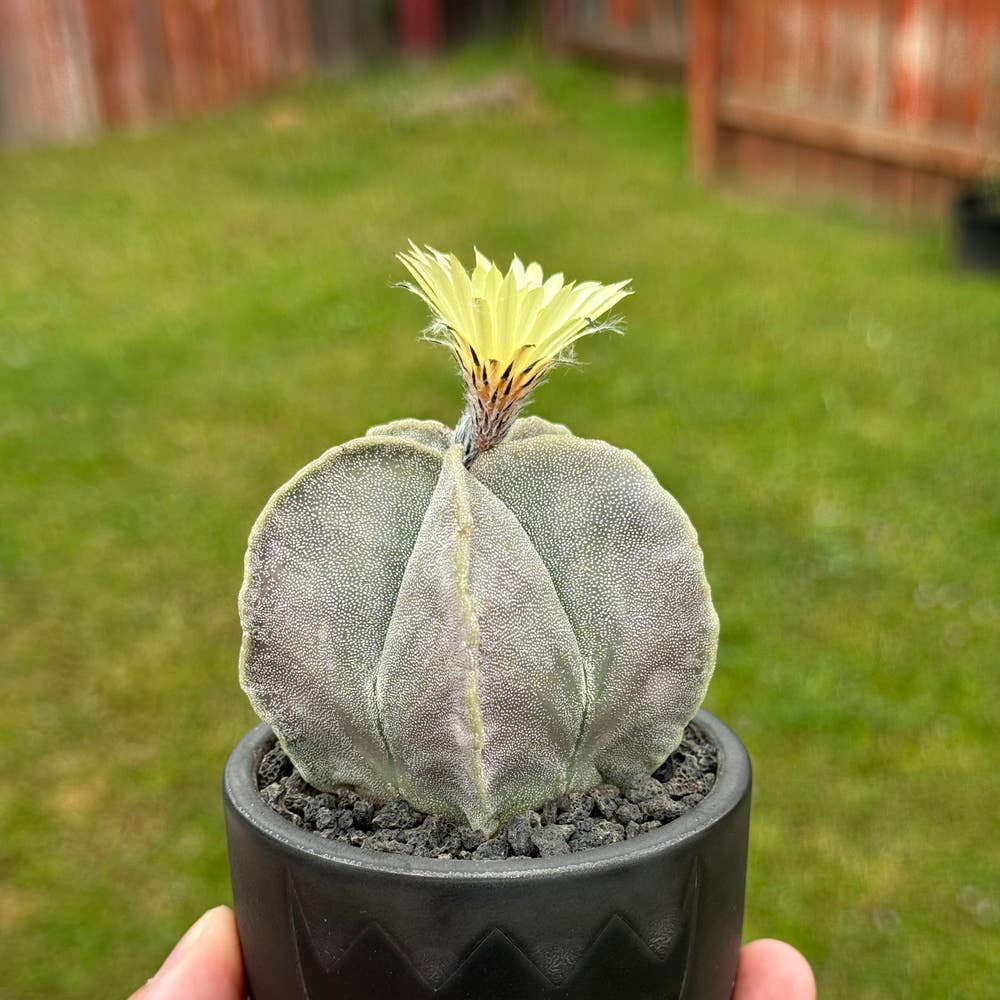
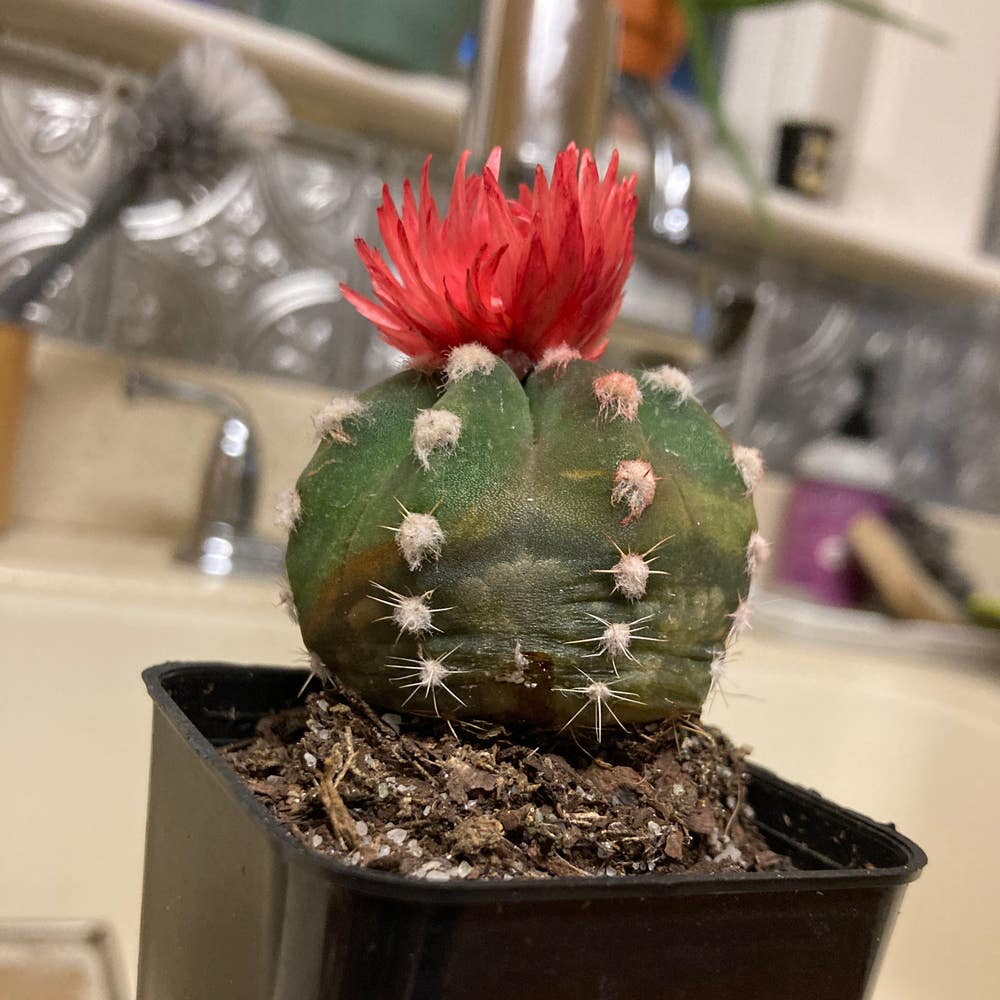
Bishop's Cap Cactus: Where to Plant 🌵
Astrophytum myriostigma
By the Greg Editorial Team
Sep 30, 2024•5 min read
This article was created with the help of AI so we can cover more plants for you. May contain errors. See one? Report it here.
- ☀️ Bishop's Cap thrives in bright, direct sunlight—aim for at least six hours daily.
- 🌬️ Protect from strong winds using fences or shrubs to ensure healthy growth.
- 🌱 Choose sandy, well-draining soil to prevent root rot and promote cactus health.
Assessing the Best Spot
🌞 Evaluating Sunlight Patterns in the Garden
Finding the right sunlight exposure is crucial for your Bishop's Cap cactus. Morning sun is gentle and nurturing, while afternoon sun can be intense and harsh.
To track sunlight patterns, consider using garden stakes or markers. This simple method helps you observe how light shifts throughout the day, ensuring your cactus gets the optimal amount of sun.
🌤️ Understanding Microclimates and Their Impact
Microclimates are fascinating! They refer to areas that have different climate conditions compared to the surrounding environment.
To identify these spots, look for sheltered areas that retain heat or places where sunlight is reflected, such as near walls or rocks. These microclimates can significantly enhance your cactus's growth.
🌬️ Importance of Wind Protection
Wind can be a silent enemy for your Bishop's Cap cactus. Strong gusts can cause physical damage and lead to moisture loss, which is detrimental to its health.
Creating windbreaks using fences or shrubs is an effective strategy. These barriers shield your cactus from harsh winds, allowing it to thrive in a more stable environment.
By carefully assessing sunlight, understanding microclimates, and providing wind protection, you set the stage for a healthy Bishop's Cap cactus. Next, let’s explore the essential soil and drainage considerations for optimal growth.
Soil and Drainage Considerations
🌱 Ideal Soil Conditions
Bishop's Cap Cactus thrives best in sandy or rocky soil. This type of soil allows for excellent drainage, which is crucial for preventing root rot.
Low nutrient levels are acceptable for these resilient plants. In fact, overly rich soils can be detrimental, so aim for a balanced, lean mix.
🚰 Drainage Solutions for Optimal Growth
To enhance drainage, consider using raised beds. They elevate the plant, preventing water from pooling around the roots.
Incorporating gravel or coarse sand into your planting holes can significantly improve drainage. This simple step can make a world of difference in keeping your Bishop's Cap healthy and thriving.
With the right soil and drainage solutions in place, your cactus will be well on its way to flourishing. Next, let’s explore the differences between indoor and outdoor planting options.
Indoor vs. Outdoor Planting
Best Indoor Locations 🌞
For indoor planting, south-facing windows are your best bet. They provide optimal sunlight exposure, ensuring your Bishop's Cap Cactus thrives.
If natural light falls short, consider using grow lights. These can supplement sunlight, especially during shorter days or cloudy weather.
Outdoor Site Selection Tips 🌳
When planting outdoors, choose a sunny spot that receives at least six hours of direct sunlight daily. This is crucial for the cactus's growth and overall health.
Additionally, avoid low-lying areas where water can accumulate. Standing water can lead to root rot, jeopardizing your plant's survival.
By carefully selecting the right indoor or outdoor location, you set the stage for a flourishing Bishop's Cap Cactus. Next, let’s explore how seasonal changes can impact your planting decisions.
Seasonal Considerations
How Seasons Affect Planting Location 🌍
Understanding how seasons impact your Bishop's Cap cactus is crucial for its health. In summer, ensure your plant receives adequate sunlight and ventilation to thrive.
During winter, protecting your cactus from frost is essential. Consider moving it indoors or to a sheltered location to shield it from harsh conditions.
Adjusting for Temperature Fluctuations 🌡️
Monitoring temperature is vital for optimal growth. The ideal range for your Bishop's Cap is between 70°F and 100°F (21°C to 38°C).
Be proactive during cold snaps by moving your plants to warmer areas. This simple adjustment can make a significant difference in their survival and overall health.
As you plan your planting strategy, keep these seasonal considerations in mind. They will help ensure your Bishop's Cap cactus flourishes throughout the year.
Common Mistakes in Site Selection
🌞 Misjudging Sun Exposure
One of the most common mistakes is overestimating the shade tolerance of the Bishop's Cap cactus. This can lead to poor growth and overall health, as these plants thrive in bright, direct sunlight.
To avoid this pitfall, take the time to observe light patterns in your garden before planting. Understanding how sunlight moves throughout the day will help you choose the best spot for your cactus.
🚰 Ignoring Drainage Needs
Another critical error is ignoring the drainage needs of your Bishop's Cap. Waterlogged soil can lead to root rot and ultimately, plant death.
To prevent this, incorporate drainage materials like gravel or coarse sand into your planting area. Avoid heavy soils that retain too much moisture, ensuring your cactus has the right environment to flourish.
🌱 Planting Too Close to Other Species
Planting your Bishop's Cap too close to other plants can create competition for essential resources like light, water, and nutrients. This can stunt growth and lead to unhealthy plants.
Make sure to allow adequate spacing between your cactus and neighboring species. This not only promotes airflow but also gives your cactus room to grow without hindrance.
By avoiding these common mistakes, you can set your Bishop's Cap cactus up for success in its new home. Next, let’s explore the best indoor and outdoor planting locations to maximize its growth potential.
⚠️ Safety First
This content is for general information and may contain errors, omissions, or outdated details. It is not medical, veterinary advice, or an endorsement of therapeutic claims.
Always consult a qualified healthcare professional before using any plant as food, medicine, or supplement.
Never eat any plant (or feed one to pets) without confirming its identity with at least two trusted sources.
If you suspect poisoning, call Poison Control (800) 222-1222, the Pet Poison Helpline (800) 213-6680, or your local emergency service immediately.
Spotted an error? Please report it here.
Ensure your Bishop's Cap cactus thrives in optimal conditions 🌞 by using Greg's tailored tips for sunlight, drainage, and protection from winds!