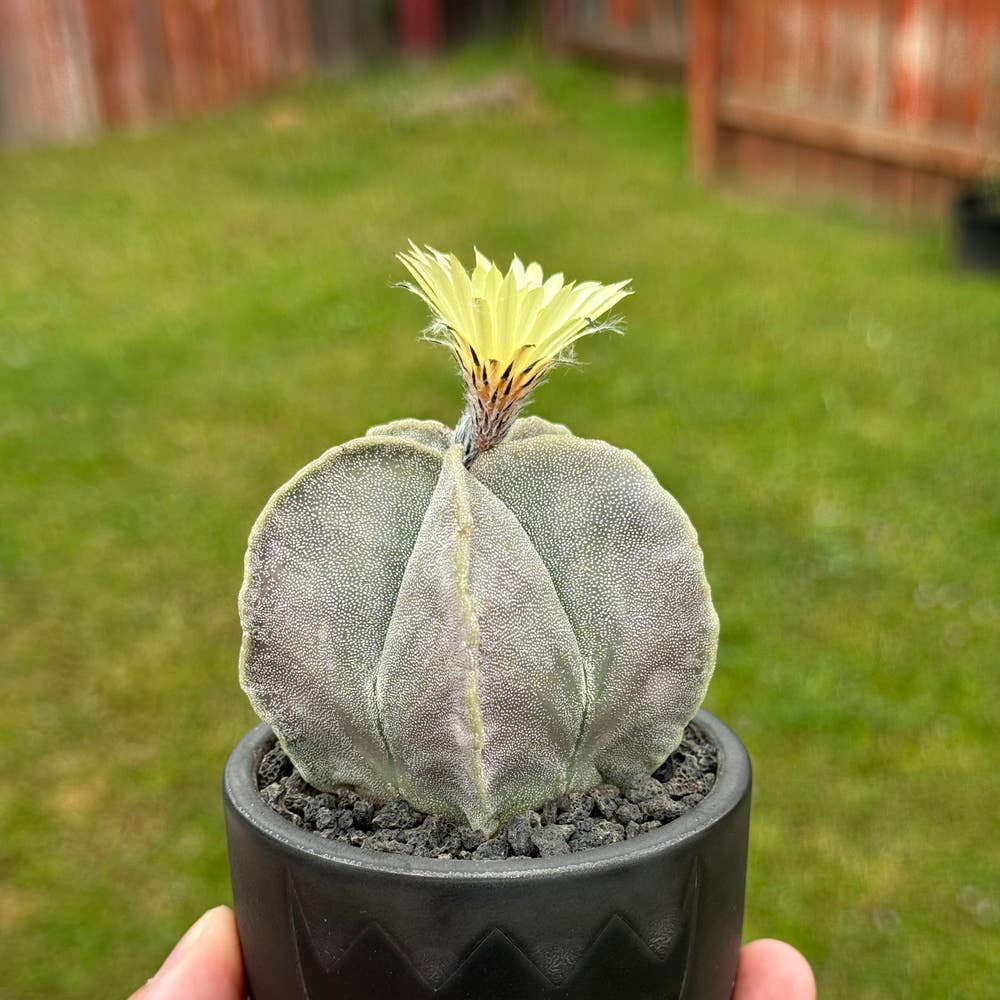
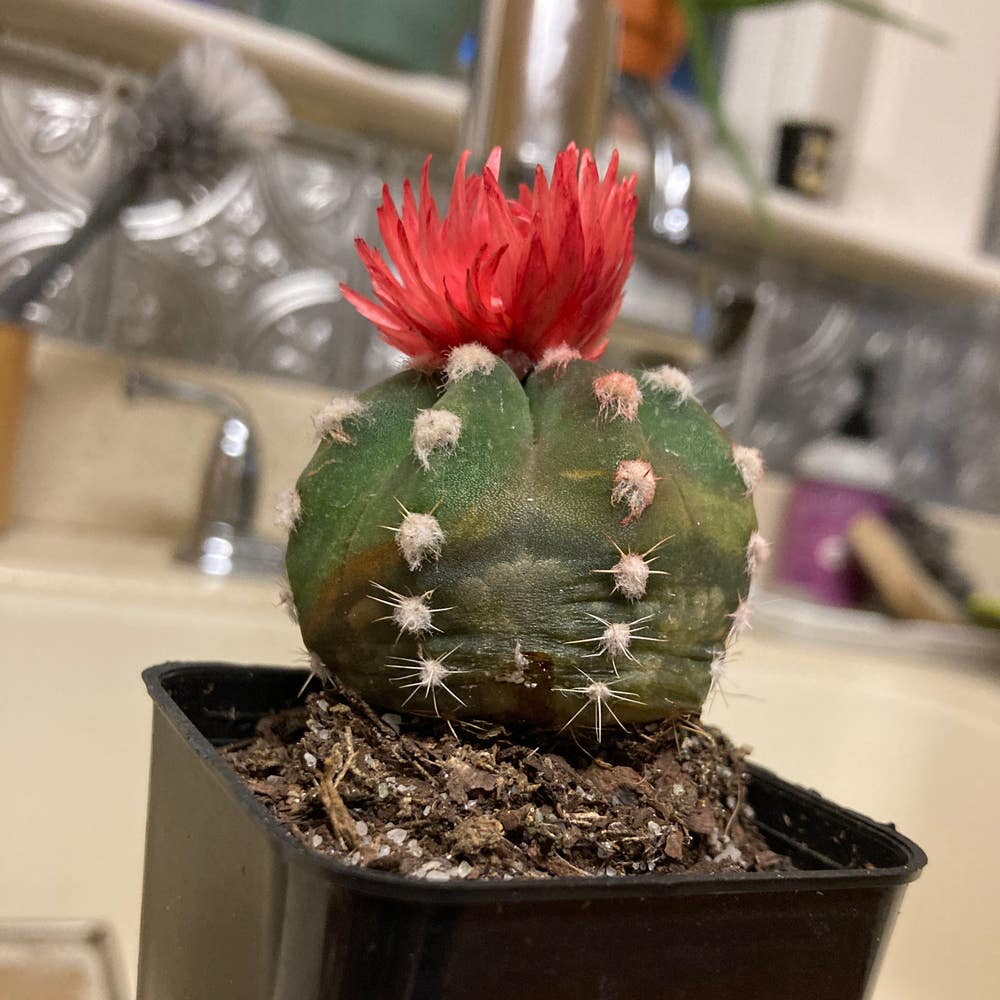
🌵 3 Tips for Healthy Bishop's Cap Cactus Roots
Astrophytum myriostigma
By the Greg Editorial Team
Sep 30, 2024•5 min read
This article was created with the help of AI so we can cover more plants for you. May contain errors. See one? Report it here.
- 🌵 Bishop's Cap Cactus roots efficiently absorb moisture, thriving in arid conditions.
- 🚫💧 Prevent root rot by ensuring well-draining soil and avoiding overwatering.
- 🔍 Healthy roots feel firm and bright white; check for signs of distress regularly.
Description of the Root System Type
🌱 Root System Characteristics
The Bishop's Cap Cactus features a primarily fibrous root system. This adaptation allows it to efficiently absorb moisture in dry conditions, making it well-suited for arid environments.
In comparison to other root types, such as taproots, fibrous roots spread out more horizontally. This design maximizes the plant's ability to gather water from light rains or dew.
🌟 Specific Features
One notable aspect of the Bishop's Cap's root system is its shallow structure. While this allows for quick moisture uptake, it can also limit the plant's stability in windy conditions.
Additionally, these roots have impressive water storage capabilities. This feature plays a crucial role in the cactus's drought resistance, enabling it to survive extended dry spells.
To maintain a healthy root system, well-draining soil is essential. Poor drainage can lead to root rot, a common issue that can jeopardize the plant's health.
Understanding these characteristics and features is vital for anyone looking to cultivate a thriving Bishop's Cap Cactus. With the right care, you can ensure your cactus remains healthy and vibrant.
Next, we’ll explore the root depth and spread of this fascinating plant.
Root Depth and Spread
🌱 Growth Patterns
The Bishop's Cap Cactus typically develops a root depth of 6 to 12 inches. This relatively shallow root system allows it to efficiently absorb moisture from the surface layer of the soil.
Its roots spread laterally, maximizing moisture absorption in arid environments. This adaptation is crucial for survival in dry conditions, where water is scarce.
🌍 Factors Influencing Root Depth and Spread
Soil composition plays a significant role in determining root depth and spread. Well-draining soils encourage healthy root growth, while compacted soils can hinder development.
Environmental conditions also impact root behavior. Factors like temperature, humidity, and light exposure can influence how deep and wide the roots grow, affecting the overall health of your cactus.
Understanding these dynamics can help you create the ideal environment for your Bishop's Cap Cactus, ensuring robust root development and a thriving plant.
Watering and Fertilizing
🌱 Impact of Root System on Watering Practices
When it comes to watering your Bishop's Cap Cactus, understanding its fibrous root system is crucial. These roots thrive in well-draining soil, so it's essential to let the soil dry out completely between waterings.
Overwatering can lead to root rot, which manifests as wilting or yellowing leaves. Conversely, underwatering may cause the cactus to shrivel, signaling that it needs more moisture.
🌿 Fertilization Techniques
Fertilizing your cactus correctly can significantly enhance root health. Opt for a balanced, water-soluble fertilizer specifically designed for cacti, as this will provide the necessary nutrients without overwhelming the plant.
Timing is key; fertilize during the growing season, typically in spring and summer, to support robust root development. A monthly application during this period can help your Bishop's Cap Cactus thrive.
By mastering these watering and fertilizing techniques, you set the stage for a healthy, vibrant cactus. Next, let’s explore common root-related issues that may arise and how to tackle them effectively.
Common Root-Related Issues
Identifying Root Rot and Other Problems 🌱
Root rot is a common issue for Bishop's Cap Cactus owners. Symptoms include wilting, yellowing leaves, and mushy roots, signaling that your cactus is in distress.
Other root-related problems can arise from pests or diseases. These can weaken the root system, leading to further complications if not addressed promptly.
Prevention and Solutions 🛠️
Preventing root rot starts with proper soil drainage. Ensure your cactus is planted in well-draining soil and avoid overwatering, as soggy conditions are a breeding ground for rot.
If you suspect root rot, act quickly. Remove the cactus from its pot, inspect the roots, and trim away any mushy sections. Repot in fresh, dry soil to give your cactus a fighting chance.
By staying vigilant and following these best practices, you can maintain a healthy root system and keep your Bishop's Cap thriving. Next, let’s explore how to identify indicators of root health.
Indicators of Root Health
👀 Visual Cues for Healthy vs. Unhealthy Roots
Healthy roots are a sight to behold. They should feel firm, boast a bright white color, and have no unpleasant odor.
In contrast, unhealthy roots tell a different story. Look for dark, mushy textures or foul smells, which are clear indicators that something is wrong.
🔍 Other Indicators of Root Health
The overall appearance of your Bishop's Cap Cactus can reveal a lot about its root health. Pay attention to leaf color, growth patterns, and whether it's flowering.
Soil condition is equally important. Check for compactness or poor drainage, as these factors can significantly impact root vitality.
Understanding these indicators will help you maintain a thriving cactus, ensuring its roots are as healthy as possible. This knowledge sets the stage for addressing any potential issues before they escalate.
Rootbound Plants
Definition and Recognition of Rootbound Conditions 🌱
A rootbound cactus occurs when its roots grow too densely within the pot, limiting growth and nutrient absorption. Signs include stunted growth and roots visibly protruding from drainage holes.
When and How to Address Rootbound Issues 🕒
Recognizing when to repot is crucial. If your cactus shows signs of stunted growth or roots are escaping the pot, it’s time to act.
Step-by-Step Instructions for Safely Repotting a Rootbound Cactus
- Prepare a larger pot with well-draining soil.
- Gently remove the cactus from its current pot.
- Trim any excessively long or damaged roots.
- Place the cactus in the new pot and fill with soil.
- Water lightly and allow to settle.
Propagation and Division 🌿
Healthy roots are essential for successful propagation. The best time to propagate is during the growing season, typically in spring or early summer.
Techniques for Dividing and Propagating Bishop's Cap Cactus
- Select a healthy parent plant.
- Use sterile tools for cutting to avoid infection.
- Allow cuttings to callous before planting.
- Plant in well-draining soil and provide appropriate care.
Understanding and addressing rootbound conditions not only enhances the health of your Bishop's Cap Cactus but also opens the door to successful propagation. With these tips, you can ensure your cactus thrives and flourishes.
⚠️ Safety First
This content is for general information and may contain errors, omissions, or outdated details. It is not medical, veterinary advice, or an endorsement of therapeutic claims.
Always consult a qualified healthcare professional before using any plant as food, medicine, or supplement.
Never eat any plant (or feed one to pets) without confirming its identity with at least two trusted sources.
If you suspect poisoning, call Poison Control (800) 222-1222, the Pet Poison Helpline (800) 213-6680, or your local emergency service immediately.
Spotted an error? Please report it here.
Keep your Bishop's Cap Cactus thriving 🌱 with Greg's personalized care tips and watering reminders that ensure your cactus gets just the right moisture and nutrients it craves!