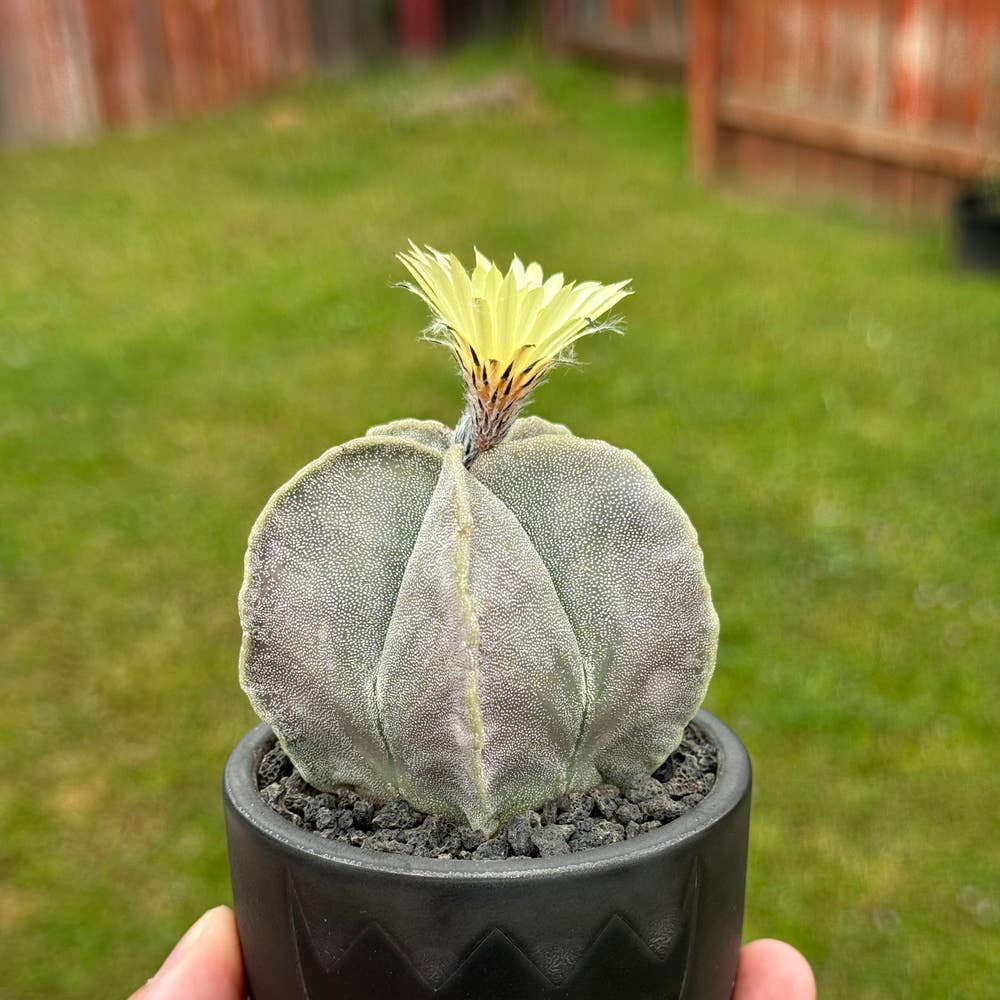
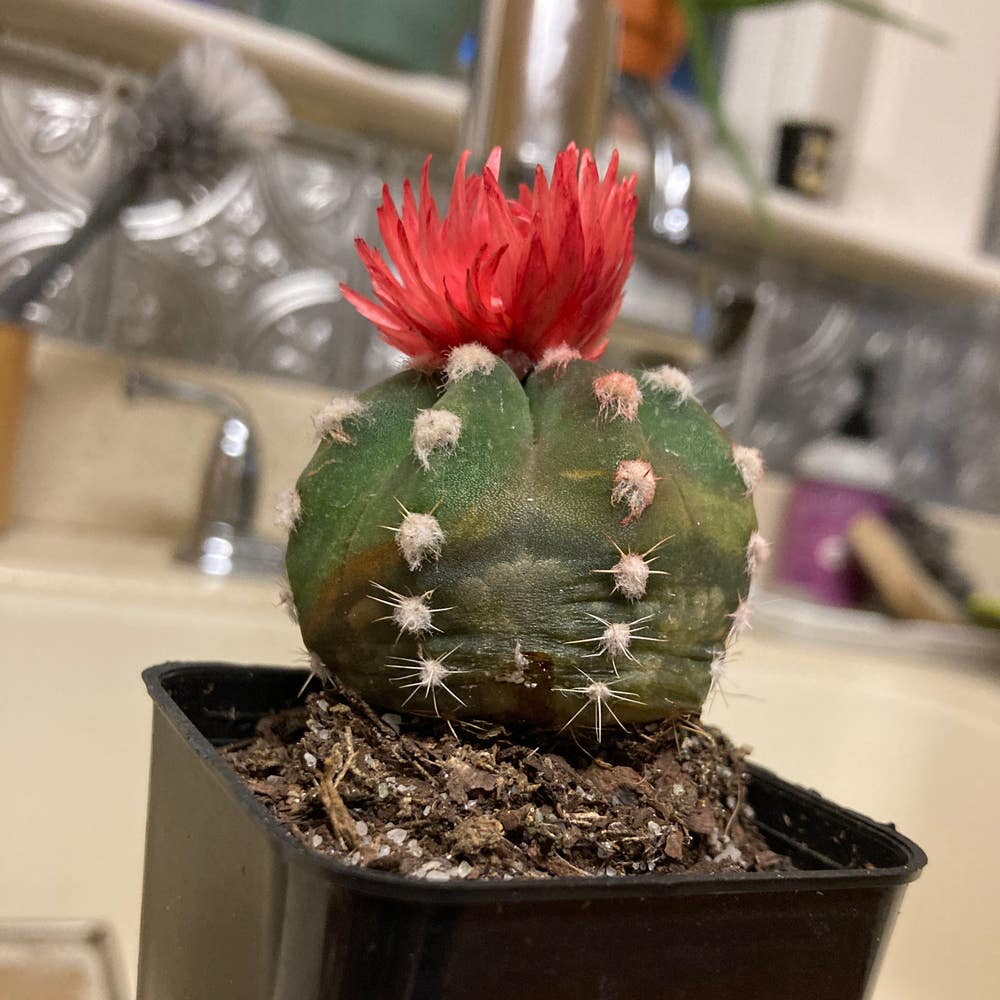
⛪ 3 Outdoor Care Tips for Bishop's Cap Cactus
Astrophytum myriostigma
By the Greg Editorial Team
Sep 30, 2024•7 min read
This article was created with the help of AI so we can cover more plants for you. May contain errors. See one? Report it here.
- ☀️ Bishop's Cap Cactus needs 6-8 hours of sunlight for optimal growth.
- 💧 Water every 2-3 weeks, ensuring soil dries out between watering to prevent root rot.
- 🌱 Use well-draining soil and fertilize twice yearly for healthy growth and flowering.
Sunlight Needs
Optimal Sunlight Exposure 🌞
Bishop's Cap Cactus thrives in full sun, needing at least 6-8 hours of direct sunlight daily. Morning sun is particularly beneficial, as it helps avoid scorching during the peak heat of the day.
Signs of Insufficient Light 🚫
If your cactus is not getting enough light, you might notice etiolation, where the plant stretches and loses its vibrant color. Additionally, reduced flowering can occur, leading to fewer blooms during the growing season.
Understanding these sunlight needs is crucial for the health of your Bishop's Cap Cactus. Proper light exposure sets the foundation for a thriving plant, ensuring it grows strong and blooms beautifully.
Watering Requirements
General Watering Guidelines 🌊
Bishop's Cap Cactus thrives with a watering schedule of every 2-3 weeks during the growing season, which spans spring and summer. Before watering, always check the soil moisture; the top 1-2 inches should be dry to the touch.
Special Considerations ⚠️
Be cautious of overwatering, as it can lead to root rot, especially in poorly draining soil. While this cactus is drought-tolerant and can endure dry spells, it truly flourishes with consistent, regular watering.
Understanding these watering needs is crucial for maintaining a healthy Bishop's Cap Cactus. Next, let's explore the ideal soil preferences to ensure your cactus has the best growing environment.
Soil Preferences
Ideal Soil Composition 🌵
Bishop's Cap Cactus thrives in well-draining soil. A cactus or succulent mix is ideal, but you can also create your own by combining sand, perlite, and potting soil.
Maintaining a slightly acidic to neutral soil pH (between 6.0 and 7.0) is crucial for optimal growth. This balance helps the cactus absorb nutrients effectively.
Importance of Soil Drainage 🚰
Proper soil drainage is vital for preventing root rot, which can be detrimental to your cactus's health. Ensuring that excess water can escape promotes a healthy root system and extends the longevity of your plant.
Remember, a Bishop's Cap Cactus may be resilient, but it still needs the right soil conditions to truly thrive. With the right mix, you'll set your cactus up for success.
Next, let's explore the fertilization guidelines to keep your cactus nourished and vibrant.
Fertilization Guidelines
Fertilization Schedule 🌱
To keep your Bishop's Cap Cactus thriving, fertilize it twice a year. Aim for early spring and mid-summer, using a diluted, balanced cactus fertilizer with an NPK ratio of 10-10-10.
Signs of Nutrient Deficiency ⚠️
Watch for yellowing or stunted growth, as these are clear indicators that your cactus needs a nutrient boost. Addressing these signs promptly can help your cactus flourish.
Practical Tips for Fertilizing 💡
- Timing is Key: Fertilizing at the right times ensures your cactus gets the nutrients it needs during its active growth phases.
- Dilution Matters: Always dilute your fertilizer to avoid overwhelming your plant, which can lead to root burn.
Conclusion 🌵
Proper fertilization is essential for the health of your Bishop's Cap Cactus. With the right schedule and attention to signs of deficiency, you can ensure your cactus remains vibrant and strong.
Next, let’s explore the best planting options for your cactus to maximize its growth potential.
Planting Options
🌱 Container Planting
Benefits
Container planting offers remarkable mobility. You can easily reposition your Bishop's Cap Cactus for optimal sunlight or to protect it from extreme weather.
Another advantage is soil control. You have the freedom to customize your soil mix, ensuring excellent drainage tailored to your cactus's needs.
Drawbacks
However, container planting comes with some limitations. The restricted root space may hinder growth over time, especially for a plant that thrives on expansion.
Additionally, containers tend to dry out faster than ground soil, leading to an increased watering frequency. This can be a hassle if you’re not vigilant about moisture levels.
🌍 Ground Planting
Benefits
Ground planting allows for natural growth. Your cactus has ample space for root expansion, which can lead to a healthier plant overall.
Moreover, ground soil retains moisture better, resulting in less frequent watering. This can be a significant advantage during hot summer months.
Drawbacks
On the flip side, ground planting offers less control over soil conditions. You may need to amend the soil to ensure optimal drainage, which can be a bit of a chore.
Lastly, ground-planted cacti are more vulnerable to pests and diseases. Keeping an eye out for these issues is essential to maintain a thriving Bishop's Cap Cactus.
Understanding these planting options will help you make an informed decision that best suits your gardening style and environment. Next, let’s explore how to protect your cactus from weather extremes and pests.
Protection from Weather and Pests
🌤️ Weather Protection Strategies
To keep your Bishop's Cap Cactus thriving, weather protection is essential. Shade cloth is a great tool during extreme heat, shielding your cactus from sunburn and stress.
Mulching is another effective strategy. By applying gravel or rocks around the base, you can help regulate soil temperature, keeping roots cool and healthy.
🐜 Common Outdoor Pests and Management
Outdoor pests can be a nuisance, but identifying them early makes management easier. Aphids are common culprits; look for sticky residue and curled leaves. Control them with insecticidal soap for a quick fix.
Mealybugs also pose a threat, appearing as cotton-like masses on your cactus. You can remove them manually or treat the plant with neem oil to keep them at bay.
🦠 Diseases
Keeping an eye on your cactus for signs of disease is crucial. Root rot is a serious issue, with symptoms like wilting and yellowing leaves. Prevent this by ensuring your cactus has well-draining soil.
Fungal infections can also occur, often showing up as dark spots on the plant. Treat these infections with fungicides and improve air circulation around your cactus to promote a healthier environment.
With these strategies in place, your Bishop's Cap Cactus will be better equipped to handle the elements and pests. Next, let’s explore seasonal care tips to keep your cactus flourishing throughout the year.
Seasonal Care
Spring Care Tips 🌸
As spring arrives, it's time to kickstart your Bishop's Cap Cactus's growth. Begin by applying fertilizer to give it the nutrients it craves.
Don't forget to inspect for pests; early detection can save your cactus from potential damage.
Summer Care Tips ☀️
Summer is the peak growth season, so increase your watering frequency. Consistent moisture is key to keeping your cactus thriving.
Keep an eye out for sunburn; adjust shading as needed to protect it from harsh rays.
Fall Care Tips 🍂
As temperatures start to drop, it's time to reduce watering. This prepares your cactus for its dormant phase.
Also, clean up any fallen leaves and debris around the plant to prevent pests from taking hold.
Winter Care Tips ❄️
Winter brings its own challenges, especially frost. If your cactus is in a container, move it indoors or cover ground-planted ones to shield them from freezing temperatures.
During this season, water sparingly—only when the soil is completely dry. This helps your cactus conserve energy until spring returns.
With these seasonal care tips, your Bishop's Cap Cactus will be well-equipped to thrive year-round. Next, let's explore the best climate zones for optimal growth.
Climate Zone Considerations
Best Climate Zones 🌵
Bishop's Cap Cactus thrives best in USDA zones 9-11. These regions enjoy mild winters, where temperatures rarely dip below freezing, creating an ideal environment for this resilient plant.
Adaptations for Different Climates 🌤️
In colder climates, consider using containers for your Bishop's Cap. This allows for easy mobility, enabling you to bring the cactus indoors or to a sheltered spot during harsh winter months.
For hot climates, ensure your cactus receives adequate watering and shade. During extreme heat, providing some protection can prevent sunburn and keep your cactus healthy and vibrant.
Understanding your climate is crucial for successful cactus care. With the right strategies, you can enjoy a flourishing Bishop's Cap Cactus no matter where you live.
Next, let’s explore common misconceptions about cactus care to further enhance your gardening knowledge.
Common Misconceptions
🌵 Myths about Cactus Care
One common myth is that cacti do not need water. While it's true that these resilient plants are drought-tolerant, they still require careful watering during the growing season to thrive.
📊 Facts vs. Myths
Understanding the balance between drought resistance and proper care is essential for a healthy Bishop's Cap Cactus. Neglecting their watering needs can lead to stunted growth or even death, so don’t let the myth fool you!
By debunking these misconceptions, you can ensure your cactus receives the right care it deserves. This knowledge sets the stage for more effective outdoor care practices.
⚠️ Safety First
This content is for general information and may contain errors, omissions, or outdated details. It is not medical, veterinary advice, or an endorsement of therapeutic claims.
Always consult a qualified healthcare professional before using any plant as food, medicine, or supplement.
Never eat any plant (or feed one to pets) without confirming its identity with at least two trusted sources.
If you suspect poisoning, call Poison Control (800) 222-1222, the Pet Poison Helpline (800) 213-6680, or your local emergency service immediately.
Spotted an error? Please report it here.
Keep your Bishop's Cap Cactus thriving 🌞 with Greg's tailored watering alerts and expert tips that make outdoor care a breeze!