Ultimate Guide to Bishop's Cap Cactus Varieties 🌵
Astrophytum myriostigma
By the Greg Editorial Team
Sep 30, 2024•5 min read
This article was created with the help of AI so we can cover more plants for you. May contain errors. See one? Report it here.
- 🌵 Bishop's Cap Cactus features unique star-shaped structures, perfect for any plant collection.
- 🌈 Varieties like 'Nudum' and 'Super Kabuto' offer stunning visual diversity and unique textures.
- 💧 Proper care, including watering and light, enhances color vibrancy in Bishop's Cap cacti.
Popular Cultivars
🌟 Description of Popular Cultivars
The Bishop's Cap Cactus, known for its star-shaped, ribbed structure, is a standout in any collection. Its unique form not only captivates the eye but also showcases the beauty of nature's design.
'Nudum'
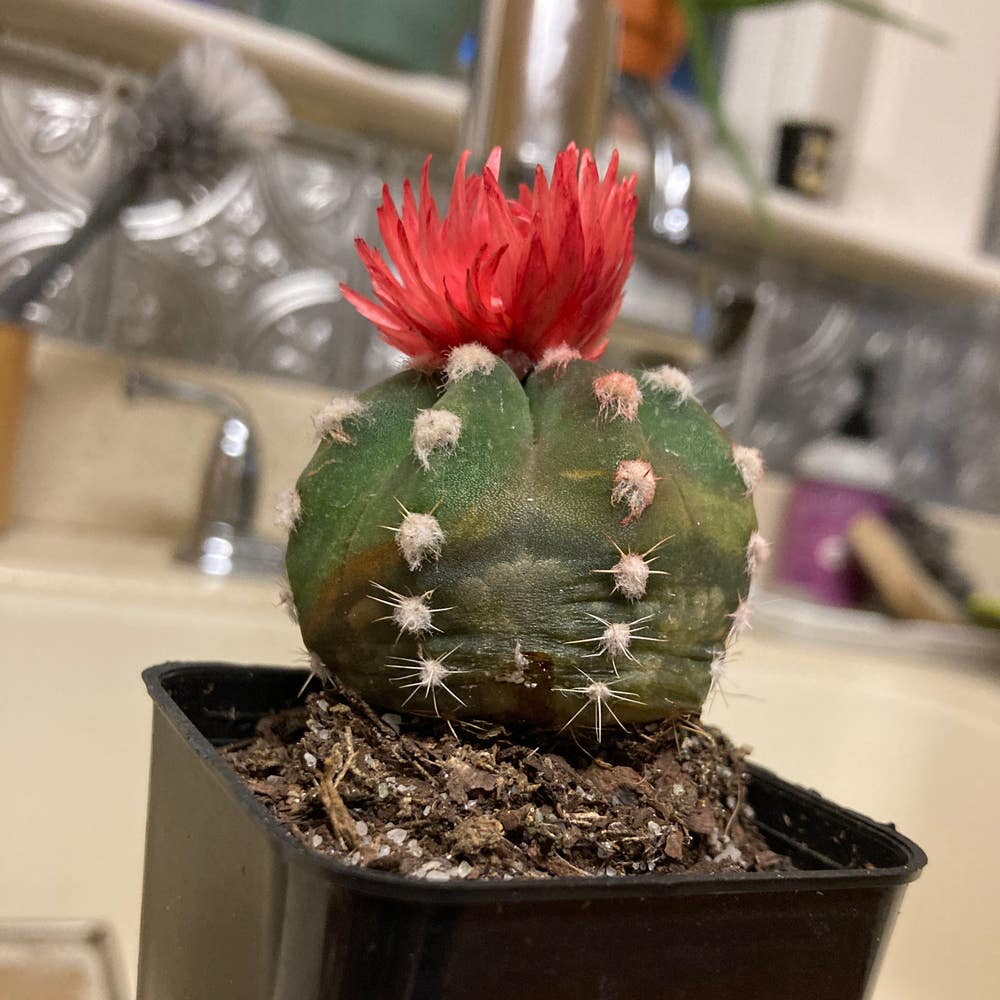
The 'Nudum' cultivar is particularly intriguing due to its spineless, smooth texture. This makes it a favorite for those who prefer a softer touch without sacrificing the cactus's distinctive charm.
'Super Kabuto'
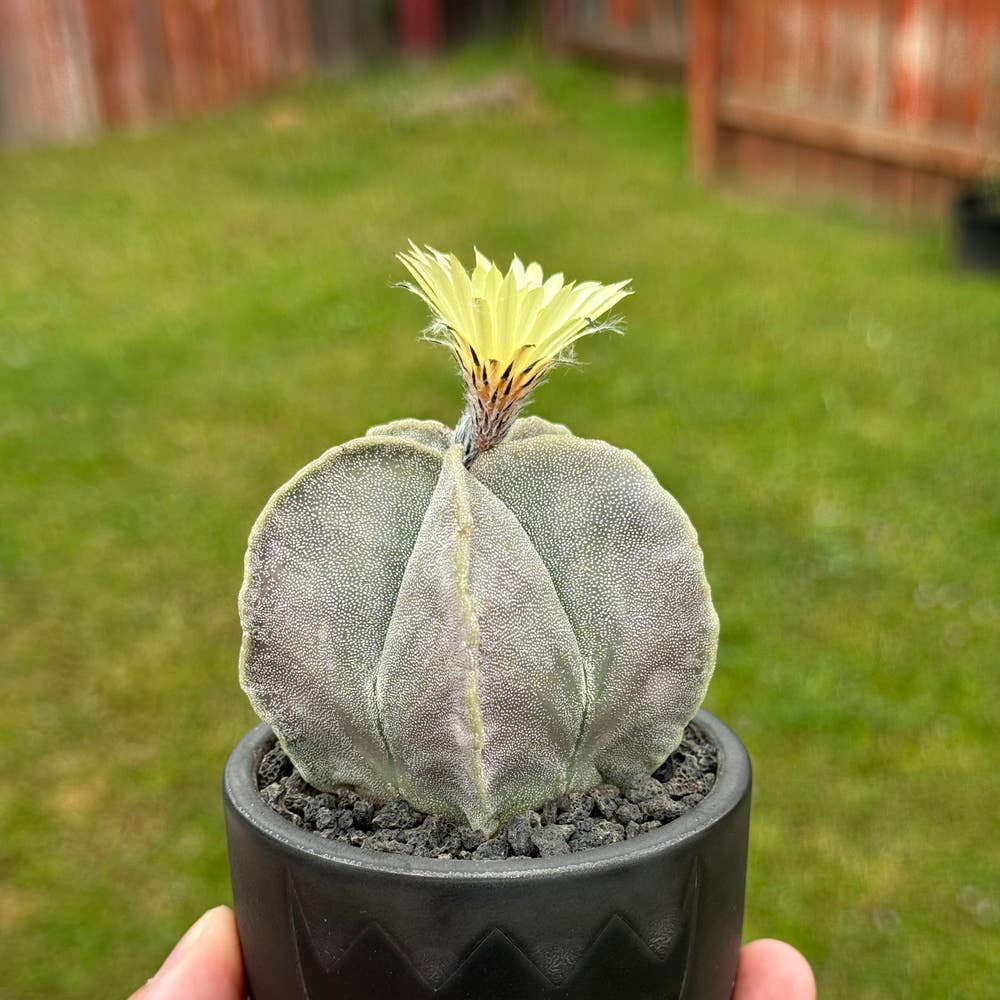
Next up is the 'Super Kabuto,' celebrated for its striking white flecks and patterns. These unique markings create a stunning contrast against its green body, making it a must-have for enthusiasts.
'Onzuka'
Lastly, the 'Onzuka' cultivar features compact growth and unique ribbing. Its smaller size and distinctive shape make it an excellent choice for those with limited space but a desire for variety.
These popular cultivars each bring their own flair to the Bishop's Cap family, offering something for every cactus lover. As we explore color variations next, you'll see how these unique shapes can be further enhanced by their hues.
Color Variations
Common Color Variations 🌈
Bishop's Cap cacti are primarily known for their vibrant green variations, which serve as the standard color for most cultivars. However, some varieties showcase stunning variegated forms, featuring unique patterns of white and green that can truly stand out in any collection.
In addition to these, you might encounter rare yellow and orange hues in specific cultivars. These striking colors can add a splash of warmth to your cactus garden, making them highly sought after by enthusiasts.
Impact of Environmental Factors on Color ☀️
The color of your Bishop's Cap cactus can be significantly influenced by sunlight exposure. Adequate light can enhance pigmentation, while insufficient light may lead to duller colors.
Soil composition also plays a crucial role in color variations. The minerals present in the soil can affect how vibrant the cactus appears, with certain nutrients promoting richer hues.
Lastly, watering practices impact color intensity. Overwatering can lead to a washed-out appearance, while proper hydration helps maintain those vivid shades that make these cacti so appealing.
Understanding these factors can help you cultivate a more colorful and vibrant cactus collection. As you explore the world of Bishop's Cap cacti, consider how these elements can enhance your gardening experience.
Size Differences
Size Variations Among Cultivars 🌱
Bishop's Cap cacti come in a fascinating size range, typically measuring between 4 to 12 inches in diameter. This variety allows for diverse choices depending on your space and aesthetic preferences.
- 'Nudum': This cultivar is on the smaller side, usually reaching about 4 to 6 inches. Its compact size makes it perfect for smaller pots or indoor settings.
- 'Super Kabuto': In contrast, this variety can grow impressively large, sometimes hitting up to 12 inches. Its size can make a striking statement in any collection.
Growth Patterns and Their Implications for Care 🌿
Understanding growth patterns is crucial for proper care. Bishop's Cap cacti can exhibit either clustering or solitary growth habits.
- Clustering varieties: These types require more space as they grow together. Plan your potting arrangements accordingly to avoid overcrowding.
- Solitary varieties: They need individual attention and care. Each plant will thrive best with its own space and resources.
Growth rates also vary significantly among cultivars. Faster-growing varieties may need larger pots sooner, while slower growers can remain in smaller containers for longer periods.
This knowledge helps you manage repotting frequency effectively, ensuring your cacti have the best chance to flourish.
As you explore the size differences in Bishop's Cap cacti, consider how these factors influence your care routine and overall enjoyment of these unique plants. Next, we’ll dive into the captivating color variations that make each cultivar even more special.
Rare and Hybrid Varieties
🌟 Overview of Rare Varieties
Bishop's Cap cacti boast some truly rare varieties that are a delight for collectors.
'Kikko'
This cultivar is known for its unique spination and distinctive growth habit. The intricate patterns of spines create a striking visual appeal, making it a standout in any collection.
'Shiro Natsume'
Another gem, 'Shiro Natsume', features stunning white spines and unique ribbing. Its unusual appearance adds an exotic touch, captivating enthusiasts and casual observers alike.
🌈 Characteristics of Hybrid Varieties
Hybrid varieties of Bishop's Cap are fascinating creations resulting from crossbreeding with other Astrophytum species.
These hybrids often exhibit unique traits, such as unusual colors or growth patterns, that set them apart from their parent plants.
Collectors often seek these hybrids for their rarity and the surprise of what each new cross might yield.
In essence, the world of Bishop's Cap cacti is rich with diversity, offering something for every enthusiast.
As we explore these unique varieties, it’s essential to understand their care requirements to keep them thriving.
Special Care Requirements
Specific Care Needs for Different Cultivars 🌵
Caring for Bishop's Cap cacti varies by cultivar, especially when it comes to watering frequency. Generally, these plants prefer to dry out between waterings, but spineless varieties like 'Nudum' may need less frequent watering compared to others.
Soil requirements are crucial for all varieties. A well-draining soil mix is essential to prevent root rot, which can be a common issue for these cacti.
Tips for Maintaining Unique Characteristics 💡
Light exposure plays a significant role in the health and appearance of Bishop's Cap cacti. Tailoring light conditions can enhance color and growth; for instance, providing bright, indirect sunlight can help maintain vibrant hues.
Fertilization is another key aspect of care. Popular cultivars benefit from a balanced cactus fertilizer during the growing season to meet their specific nutrient needs.
Pest Management 🐞
Pest management is vital for keeping your Bishop's Cap healthy. Common pests include mealybugs and spider mites, which can be effectively managed through regular inspections and the use of insecticidal soap.
By understanding these care requirements, you can ensure your Bishop's Cap cacti thrive and maintain their unique characteristics. Next, let's explore the fascinating world of rare and hybrid varieties that can add even more diversity to your collection.
⚠️ Safety First
This content is for general information and may contain errors, omissions, or outdated details. It is not medical, veterinary advice, or an endorsement of therapeutic claims.
Always consult a qualified healthcare professional before using any plant as food, medicine, or supplement.
Never eat any plant (or feed one to pets) without confirming its identity with at least two trusted sources.
If you suspect poisoning, call Poison Control (800) 222-1222, the Pet Poison Helpline (800) 213-6680, or your local emergency service immediately.
Spotted an error? Please report it here.
Discover the stunning world of Bishop's Cap cacti and thrive with tailored care tips 🌟 from Greg that ensure your collection flourishes beautifully!