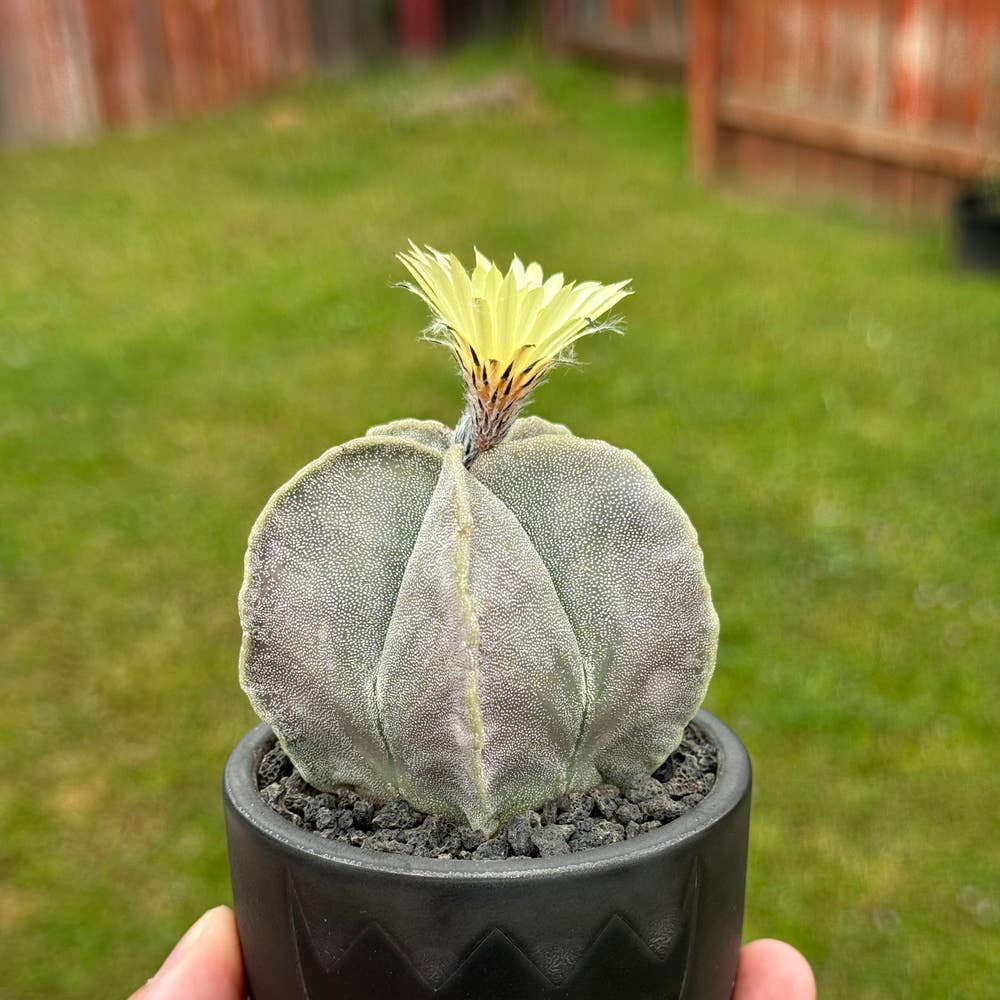
🌵 Is Direct Sunlight Good for My Bishop's Cap Cactus?
Astrophytum myriostigma
By the Greg Editorial Team
Jun 18, 2024•4 min read
This article was created with the help of AI so we can cover more plants for you. May contain errors. See one? Report it here.
- 🌵 Moderation is key for Bishop's Cap Cactus in direct sun.
- Morning sun preferred; afternoon sun may scorch.
- Adjust location seasonally to manage sun intensity and angle.
Sunlight and Your Bishop's Cap Cactus: What's Too Much?
🌞 Defining Direct Sunlight for the Bishop's Cap Cactus
Direct sunlight is like the cactus's espresso shot—it's potent and can be too much if not managed well. Indirect sunlight, on the other hand, is more like a gentle tea, less intense and more forgiving. For the Bishop's Cap Cactus, which enjoys a good bask, the difference is crucial.
🏜️ Can Your Cactus Handle the Heat?
Sure, the Bishop's Cap Cactus loves light, but it's not a sun glutton. Moderation is key. While it can handle some direct sun, think of it as a beachgoer who forgot their sunscreen—too much and it's sunburn city. The cactus's tolerance is a balancing act, one that requires a bit of observation and adjustment.
🚨 Signs of Too Much Sun
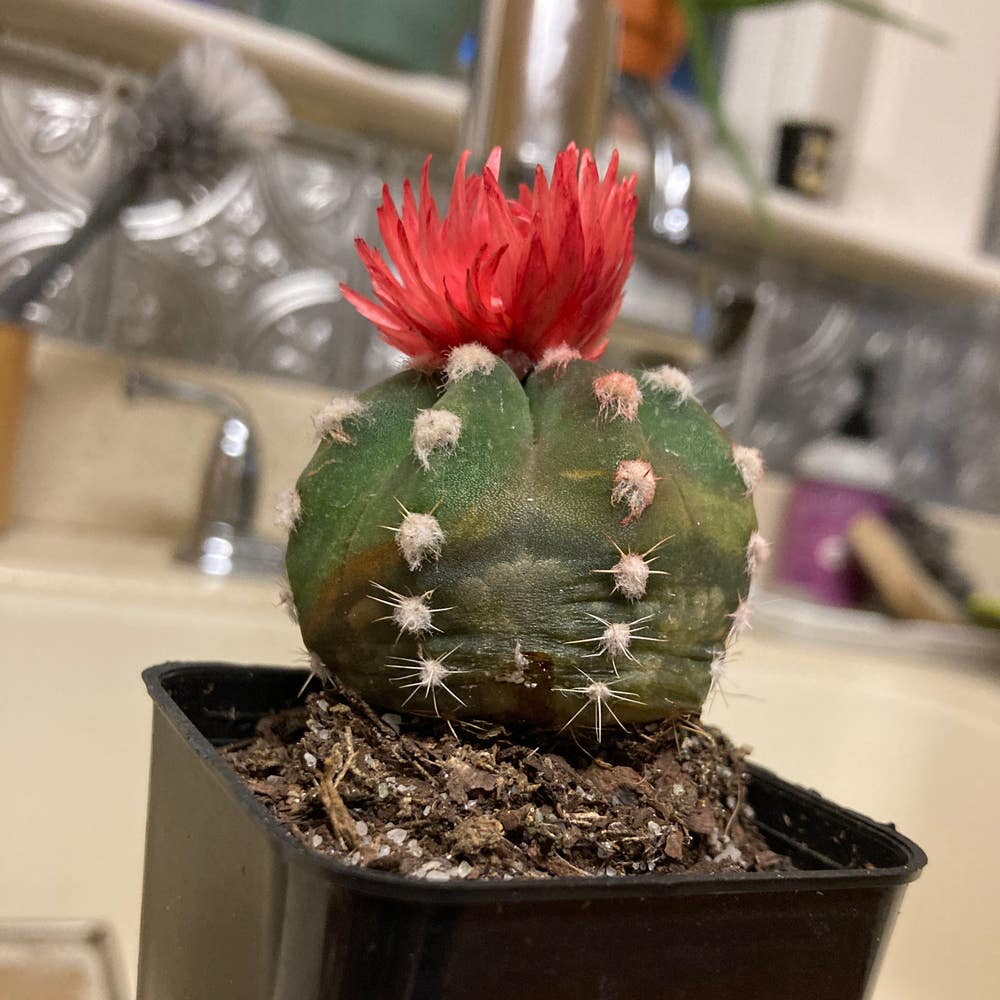
When your cactus starts sporting white or brown sunburn spots, it's waving a white flag. These blemishes are SOS signals, telling you it's time to dial back on the solar love. If you're seeing these signs, it's not being dramatic—it really has had too much sun.

When the Sun Hits Your Window: Direction Matters
🧭 The Window Compass
Window direction is a game-changer for your Bishop's Cap Cactus. South-facing windows are the solar powerhouses, dishing out the most consistent direct sunlight. They're the VIP lounge for your sun-loving cactus. East-facing windows serve up a gentler morning sun, a soft touch that won't stress your spiky buddy. West-facing windows bring the heat with intense afternoon rays, a bit like a workout that needs moderation. And north-facing windows? They're the low-key chill zones, offering minimal light that won't cut it for your cactus's sunbathing needs.
🌐 Hemisphere Highlights
Your spot on the globe, whether in the northern or southern hemisphere, dictates your cactus's sun intake. In the northern hemisphere, south-facing windows are where it's at, soaking up the most sun. Flip the script in the southern hemisphere, and it's north-facing windows that win the sunlight jackpot. Remember, your cactus isn't just a plant; it's a solar panel, thriving on that bright, direct light. So, position it with purpose, and watch it avoid the fate of a sun-starved, sad cactus.

Timing is Everything: Sunlight Exposure Throughout the Day
🌅 Morning vs. Afternoon Sun
The morning sun is like a gentle wake-up call for your Bishop's Cap Cactus, offering a cooler, less intense light that's perfect for photosynthesis without the risk of sunburn. In contrast, the afternoon sun can be the equivalent of a mid-day interrogation lamp, potentially scorching your cactus with its fiery gaze.
🌞 Seasonal Sun Shifts
As the Earth tilts and twirls, the sun's angle changes, and so should your cactus's spot in your home. Winter sun, low and direct, may call for a sunny windowsill, while the high-riding summer sun might necessitate a step back into the shade. Keep an eye on the calendar and be ready to shuffle your cactus to match the sun's seasonal dance.

Shielding Your Cactus from the Scorching Sun
🎨 Creative Shading Techniques
Sheer curtains: they're not just for privacy. Drape them in front of your Bishop's Cap Cactus to filter out the harshest rays. Think of it as sunscreen for your spiky green friend. No sheer curtains? No problem. A DIY shade cloth can work wonders, especially when the sun is in full tyrant mode.
🌞 Relocation as a Sunlight Strategy
Relocation isn't just for witness protection. It's a legit strategy for your cactus's well-being. Spot too sunny? Move your cactus to a place with bright, indirect light. It's like finding a cozy nook away from the sun's relentless interrogation lamp. Can't move it? Rotate your cactus regularly to promote even growth and prevent it from doing the Leaning Tower of Pisa impression. Remember, the perfect spot in summer could be an oven by winter, so stay on your toes and adjust accordingly.
⚠️ Safety First
This content is for general information and may contain errors, omissions, or outdated details. It is not medical, veterinary advice, or an endorsement of therapeutic claims.
Always consult a qualified healthcare professional before using any plant as food, medicine, or supplement.
Never eat any plant (or feed one to pets) without confirming its identity with at least two trusted sources.
If you suspect poisoning, call Poison Control (800) 222-1222, the Pet Poison Helpline (800) 213-6680, or your local emergency service immediately.
Spotted an error? Please report it here.
Keep your Bishop's Cap Cactus perfectly sun-kissed without the burn by letting Greg relocate 🌄 it seasonally for optimal light exposure, ensuring a happy, healthy plant.