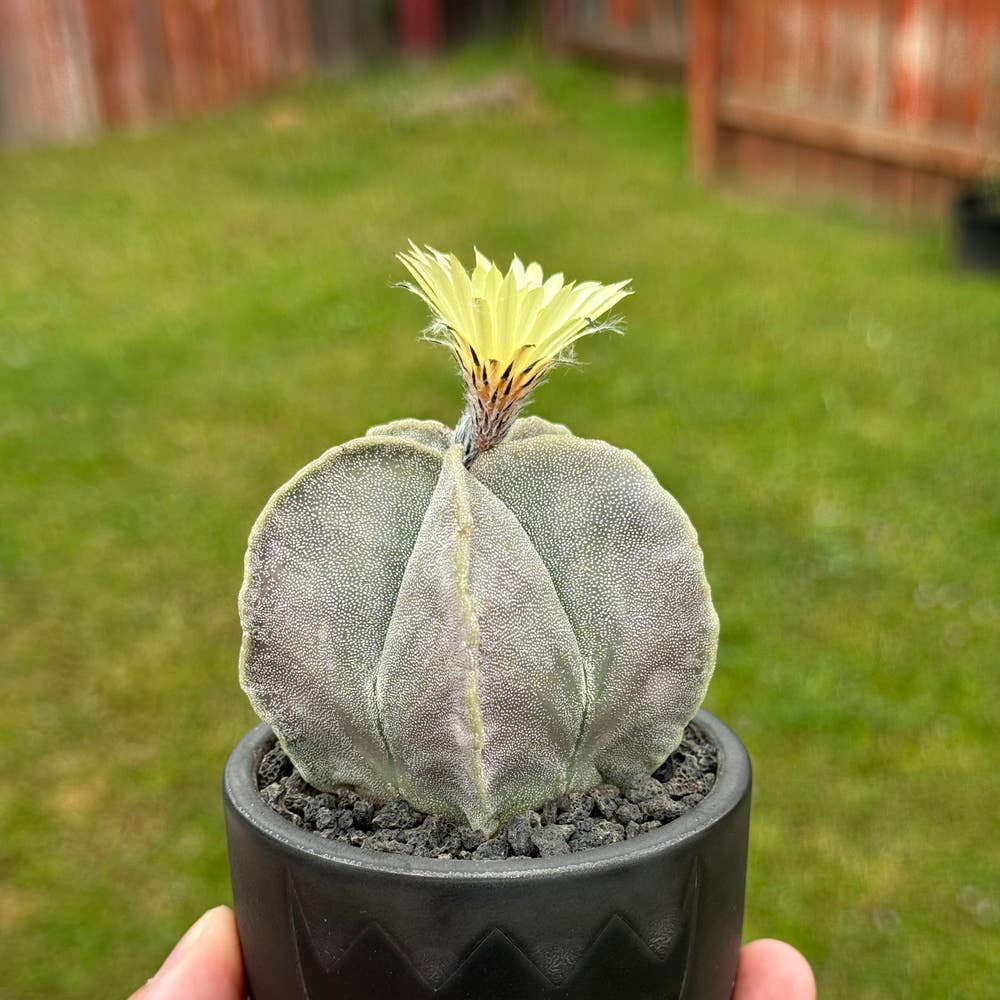
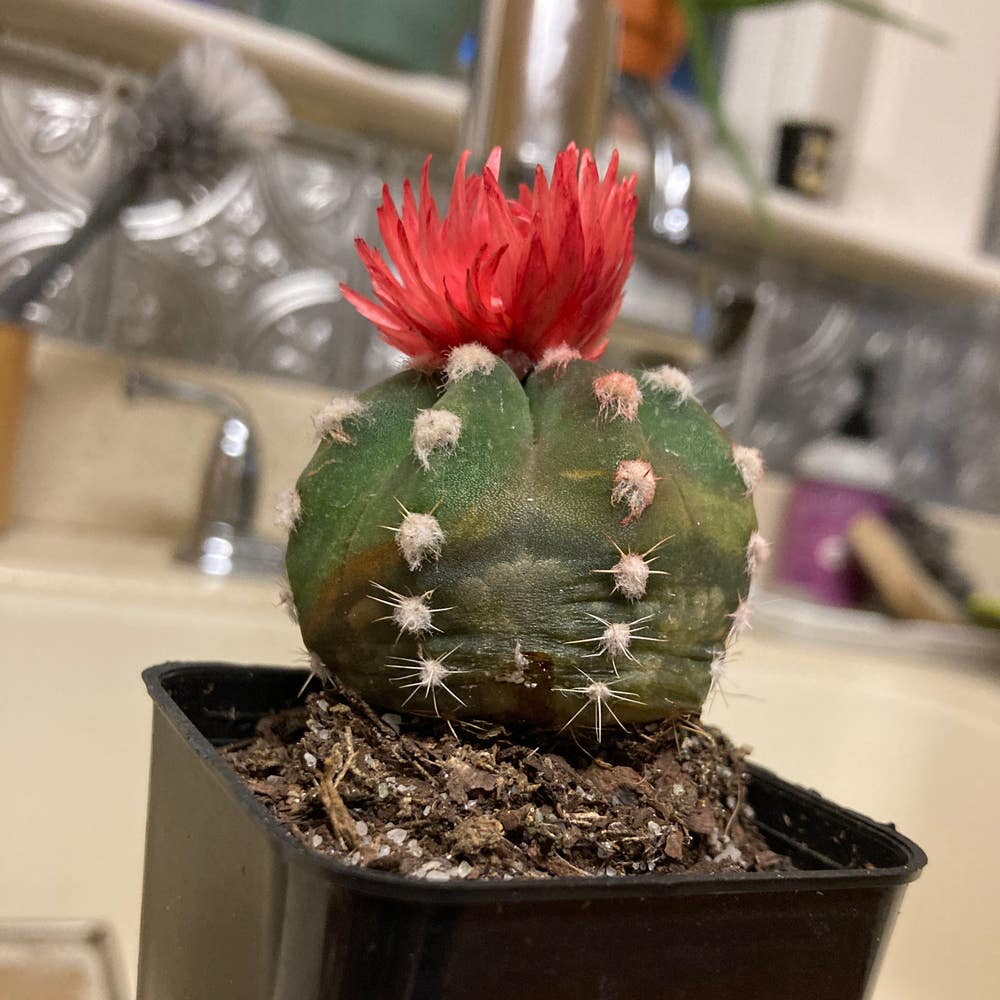
🌵 Best Soil Potting Mix for Bishop's Cap Cactus
Astrophytum myriostigma
By the Greg Editorial Team
Jun 18, 2024•3 min read
This article was created with the help of AI so we can cover more plants for you. May contain errors. See one? Report it here.
- 🌵 Perlite and pumice ensure good drainage, preventing root rot.
- DIY soil mix can be tailored with coco chips, coir, and more.
- Ideal pH range 5.5-6.5 for Bishop's Cap Cactus nutrient uptake.
Spotting Trouble: When Your Cactus Soil Goes Bad
🦠 Mold and Mildew Mayhem
Fuzzy invaders in your cactus pot spell trouble. Mold and mildew are more than unsightly; they're thieves, sapping nutrients and posing a health risk to your Bishop's Cap Cactus. A musty smell is your soil crying out for help.
🚰 Waterlogged Woes
Compacted, soggy soil is a silent assassin, suffocating roots in an unwanted bath. If your cactus is turning a sickly yellow or gray, it's time for a soil intervention. Overly moist soil is a one-way ticket to root rot city, and trust me, you don't want to visit.

Crafting the Perfect Potting Mix
🌵 Commercial Mixes: What to Look For
Key ingredients are your compass in the jungle of commercial soil mixes. For the Bishop's Cap Cactus, drainage is king. Look for mixes shouting perlite or pumice from their ingredient list—these are the secret agents of aeration. Brands like Dr. Earth and Bonsai Jack have been through the gauntlet and emerged with rave reviews. But remember, a mix that's too dense is a no-go zone; you might need to tweak it with an amendment or two.
🧙 DIY Soil Magic
Roll up your sleeves—it's time to play soil alchemist. Here's a step-by-step guide to conjure the ultimate Bishop's Cap Cactus sanctuary:
- Gather Ingredients: Coco chips, coconut coir, pumice, vermiculite, agricultural lime, and elemite are your building blocks.
- Mixing Ritual: Start with coco chips, end with lime and elemite. Mix with a trowel like you're stirring a cauldron of potential.
- Storage Solutions: A plastic bin or covered pail will keep your magical mix from turning into a mundane mess.
- Quantity Control: Buy in bulk, mix in batches, and always have some at the ready for repotting spells.
Remember, the perfect mix is a balance of nutrients and breathability. Your Bishop's Cap Cactus isn't just another plant—it's a desert dweller in a pot, and the soil is its oasis.

The Drainage Dilemma: Ensuring Your Cactus Stays High and Dry
🌵 The Role of Perlite and Pumice
Perlite and pumice are the dynamic duo in the cactus soil universe. They're like the bouncers at the club of your potting mix, letting water flow through without causing a scene. Perlite is lightweight and volcanic, with a knack for improving drainage and preventing waterlogged soil tragedies. Pumice, on the other hand, is a rougher character with a porous attitude, keeping the mix loose and breathable.
🌬️ Aeration and Compaction Prevention
To prevent your soil from becoming as compact as a rush-hour subway, you need to get your hands dirty. Loosen the soil surface regularly to let those roots breathe easy. It's like a mini-tillage that discourages soil from settling into a dense, impenetrable layer. And don't forget the pot itself – it needs to have drainage holes that mean business. No decorative fakes here; we want holes that could make a colander jealous.

Balancing Act: The pH Factor
💧 Testing the Waters
Soil pH is like a secret handshake for nutrients; get it wrong, and your Bishop's Cap Cactus might as well be on a diet. Testing is straightforward: grab a home kit or a digital meter, poke it into the soil, and voilà, you've got your number. No guesswork, just cold, hard data.
🌱 The Sweet Spot
Bishop's Cap Cactus thrives in a pH range of 5.5 to 6.5. Stray outside this zone, and nutrient uptake gets as wonky as a three-legged chair. To nudge pH down, think sulfur or peat moss. Lime will kick it up a notch. Remember, it's more art than science—adjust, test, repeat.
⚠️ Safety First
This content is for general information and may contain errors, omissions, or outdated details. It is not medical, veterinary advice, or an endorsement of therapeutic claims.
Always consult a qualified healthcare professional before using any plant as food, medicine, or supplement.
Never eat any plant (or feed one to pets) without confirming its identity with at least two trusted sources.
If you suspect poisoning, call Poison Control (800) 222-1222, the Pet Poison Helpline (800) 213-6680, or your local emergency service immediately.
Spotted an error? Please report it here.
By guiding you to create the ideal soil mix and reminding you to check for compaction and pH levels, Greg ensures your Bishop's Cap Cactus is thriving 🌵 with health and vigor.