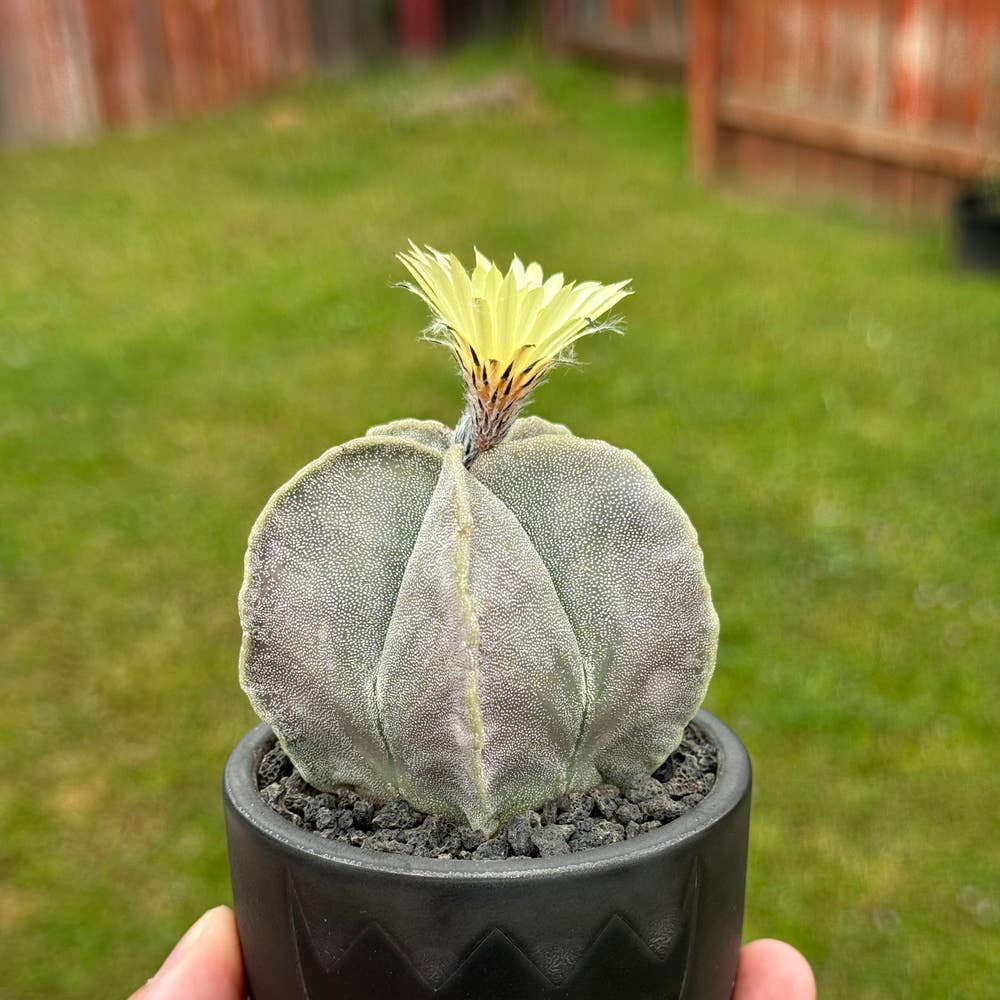
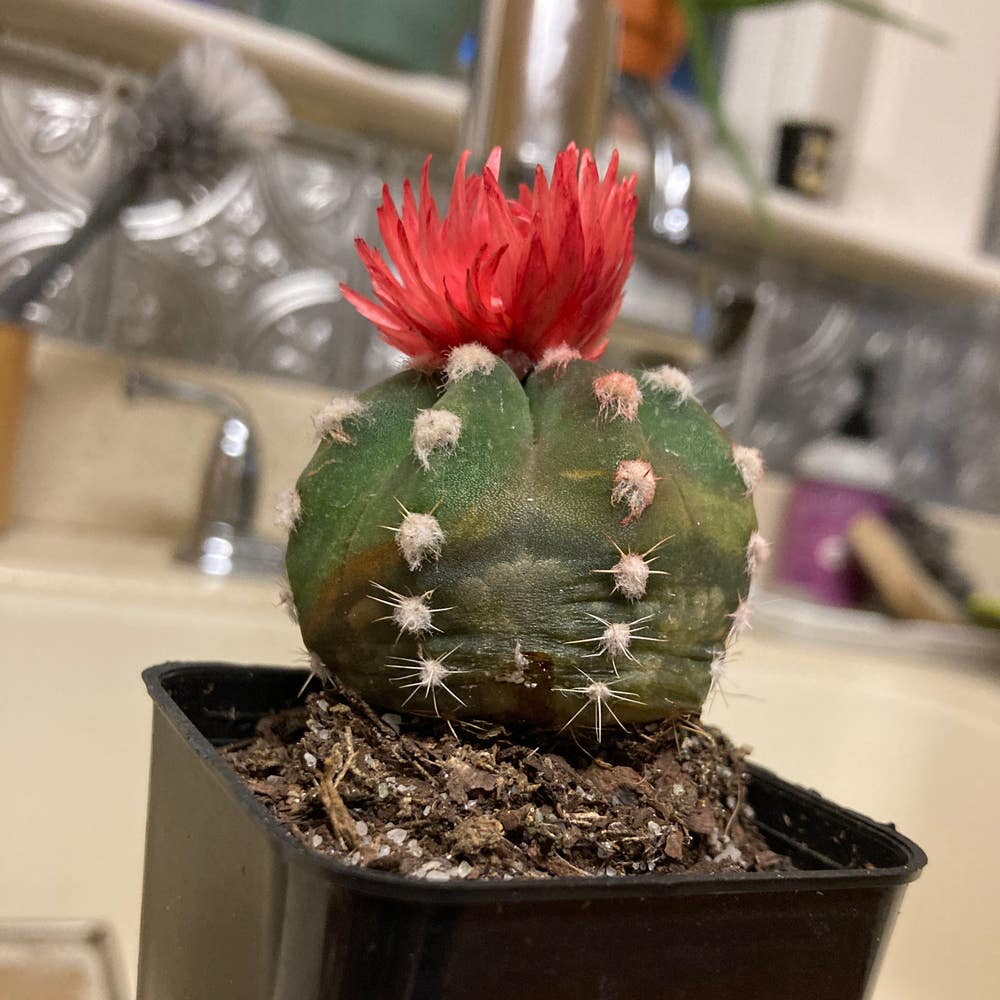
Why Are My Bishop's Cap Cactus Leaves Curling?
Astrophytum myriostigma
By the Greg Editorial Team
Jun 18, 2024•4 min read
This article was created with the help of AI so we can cover more plants for you. May contain errors. See one? Report it here.
- Water stress causes leaf curl: Overwatering and underwatering are common culprits.
- Temperature and light balance: Aim for 5-6 hours of bright light and above 50°F.
- Pests and soil matter: Use neem oil for bugs and well-draining soil for health.
When Thirst Goes Wrong: Watering Woes
💧 Signs of Overwatering or Underwatering
Curling leaves on your Bishop's Cap Cactus can signal water stress. Overwatering often leads to yellowing leaves and a suspiciously funky soil smell. Underwatering, however, leaves your cactus looking wilted with browning tips—a clear cry for help.
🚰 Fine-Tuning Your Watering Schedule
To prevent the watering blues, check the soil before you water—only when dry to the touch should you give it a drink. Your cactus's thirst isn't on a schedule; it's a responsive dance to the rhythm of the environment. Adjust your watering habits with the seasons, and remember, cacti are the camels of the plant world; they prefer a drought to a flood.
🌊 The Role of Drainage
Drainage is your cactus's best friend. Ensure your pot doesn't hold water hostage—a well-draining mix and a pot with proper holes are non-negotiable. If you've overwatered, move your plant to the shade, consider repotting, and hold off on the fertilizer. Patience is key; improvements may take time, but vigilance pays off.

Too Hot to Handle: Temperature and Light Issues
🌡️ Recognizing Heat or Cold Stress
Extreme temperatures can be silent assailants for the Bishop's Cap Cactus, leading to the distressing curl of leaves. Heat stress often manifests as leaves curling inward, reminiscent of a protective posture. Conversely, cold stress can darken the leaves, giving them a water-stained appearance.
Finding the Sweet Spot
The Bishop's Cap Cactus thrives in conditions that strike a balance between Athena's wisdom and Dionysus's indulgence. Aim for a minimum of 5-6 hours of bright, direct light daily. During the scorching summer months, acclimate your cactus to full sun gradually to avoid sunburn. Keep the temperature consistently above 50°F to prevent cold stress and avoid placing your cactus near drafty windows or doors. Remember, your cactus is not on a quest for the perfect tan; it's seeking a comfortable existence in the spotlight.

Uninvited Guests: Tackling Pests
🐜 Common Culprits Behind Leaf Curling
Pests are leaf curling's public enemy number one. Mealybugs, aphids, and spider mites are the usual suspects, treating your Bishop's Cap Cactus like an all-you-can-eat buffet. These tiny vampires suck the sap straight out of the leaves, leaving them curled and disfigured.
🛡️ Winning the Battle Against Bugs
To kick pests to the curb, neem oil is your go-to weapon. It's like sending in the special forces; apply thoroughly, especially under the leaves, and follow up. Pests are stubborn, so multiple treatments may be necessary. Remember, it's not just a one-off battle but a war against repeat offenders.

The Foundation Matters: Soil and Roots
🌱 Choosing the Right Soil Mix
Your Bishop's Cap Cactus demands a soil mix that's as loose and airy as a cloud. Opt for a blend rich in perlite or vermiculite, ensuring excellent drainage and just enough organic matter for nutrition. Think of it as creating a breathable, fluffy bed for your cactus's roots.
🌿 Pot Size and Root Health
When it comes to pot size, it's all about balance. Too big, and you're inviting moisture mayhem; too small, and your cactus is suffocating. Aim for a pot that allows the roots to grow freely but isn't so spacious that the soil stays wet for too long. Don't forget those drainage holes—they're your safety net against overwatering.
Curl No More: Fixing the Curl
🌵 Matching Solutions to Problems
Overwatering got your Bishop's Cap Cactus down? Time to let that soil dry out like a desert before giving it another drink. If underwatering is the culprit, quench its thirst slowly—think of it as a fine wine tasting, not a keg stand.
For heat stress, relocate your cactus to a cooler spot, like moving from the sauna to the lounge room. And if it's cold stress, wrap your plant in warmth, but skip the knitted sweater—just move it to a warmer spot.
Sunburned leaves? Give your cactus some shades, metaphorically speaking. Shield it with a sheer curtain or move it to a place with indirect light. It's like sunscreen for your plant, minus the greasy residue.
Pests bugging your cactus? Show them the door with insecticidal soap or neem oil. Apply with the precision of a cat stalking a laser dot—every pest's hiding spot must be targeted.
👀 Keeping an Eye Out
Stay vigilant. Like a plant detective, keep an eye out for the slightest leaf curl. Regular check-ups are your cactus's annual physical—catch issues before they balloon into full-blown plant pandemics.
Humidity can be a sneaky ninja, affecting your cactus without a trace. Aim for that sweet spot—not too dry, not a tropical rainforest. It's about finding that comfy middle ground, like the perfect mattress firmness.
And remember, consistency is your plant's best friend. Stick to a watering schedule that's as regular as your morning coffee routine. Your cactus will thank you by staying as flat as a well-ironed shirt.
⚠️ Safety First
This content is for general information and may contain errors, omissions, or outdated details. It is not medical, veterinary advice, or an endorsement of therapeutic claims.
Always consult a qualified healthcare professional before using any plant as food, medicine, or supplement.
Never eat any plant (or feed one to pets) without confirming its identity with at least two trusted sources.
If you suspect poisoning, call Poison Control (800) 222-1222, the Pet Poison Helpline (800) 213-6680, or your local emergency service immediately.
Spotted an error? Please report it here.
Wave goodbye to curled leaves and keep your Bishop's Cap Cactus thriving 🌵 with Greg's personalized reminders for the perfect watering schedule and home environment tips.