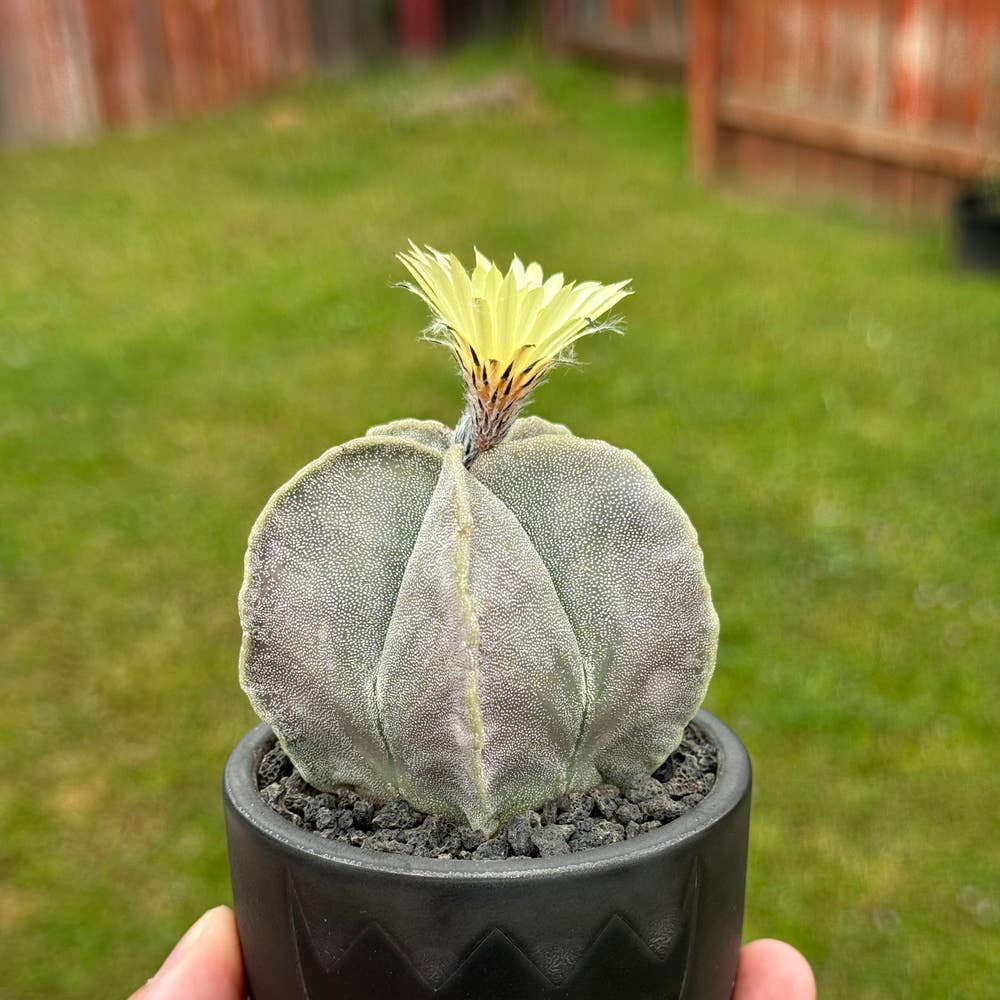
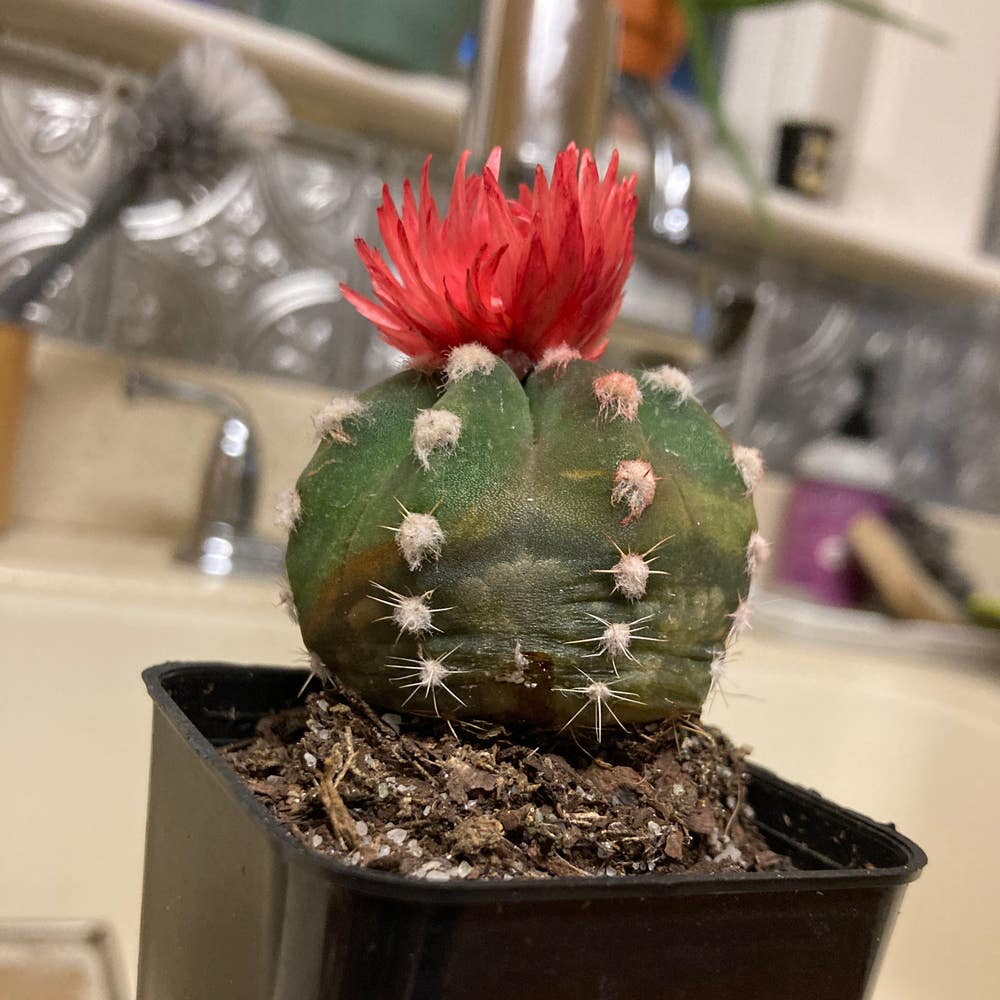
🌵 Bishop's Cap Cactus Buds Falling off
Astrophytum myriostigma
By the Greg Editorial Team
Sep 30, 2024•5 min read
This article was created with the help of AI so we can cover more plants for you. May contain errors. See one? Report it here.
- 🌵 Bud drop in Bishop's Cap cactus stems from stress, watering, or light issues.
- 💡 Ensure adequate light and proper watering to prevent bud drop and promote blooms.
- 🌸 Fertilize with phosphorus and potassium every 4-6 weeks for vibrant flowering success.
Flowering Problems in Bishop's Cap Cactus
🌼 Common Causes of Flowering Issues
Bud Drop
Bud drop refers to the premature dropping of flower buds before they bloom. This can be frustrating for any cactus enthusiast.
Potential Causes:
- Environmental Stress: Fluctuations in temperature and humidity can shock the plant.
- Watering Issues: Overwatering or underwatering can lead to root stress.
- Inadequate Light: Insufficient light exposure can hinder bud formation.
Solutions:
- Adjust Watering Practices: Allow the soil to dry out between waterings to prevent root issues.
- Ensure Adequate Light Exposure: Move your cactus to a brighter location for optimal growth.
🌸 Bloom Failure
Bloom failure occurs when the cactus fails to produce flowers during its expected bloom cycle. This can leave you feeling disappointed after all the care you've provided.
Potential Causes:
- Insufficient Light: Bishop's Cap needs plenty of light to thrive.
- Nutritional Deficiencies: Lack of phosphorus and potassium can stunt blooming.
- Temperature Issues: Improper temperature ranges can disrupt dormancy and blooming.
Solutions:
- Implement a Fertilization Schedule: Focus on phosphorus and potassium to boost bloom potential.
- Monitor Temperature Conditions: Adjust the environment to meet the cactus's blooming needs.
🌺 Abnormal Flower Development
Abnormal flower development refers to flowers that appear deformed or stunted. This can be a sign of underlying issues that need addressing.
Potential Causes:
- Genetic Factors: Some varieties may naturally produce abnormal flowers.
- Pest Infestations: Pests can severely affect flower health.
- Environmental Stressors: Extreme temperatures or poor air circulation can hinder development.
Solutions:
- Regularly Inspect for Pests: Treat infestations promptly to protect your cactus.
- Ensure Optimal Environmental Conditions: Create a stable environment to reduce stress on the plant.
Understanding these common flowering issues can help you take proactive steps to ensure your Bishop's Cap cactus thrives. Next, we’ll explore the nutritional needs essential for optimal blooming.
Nutritional Needs for Optimal Blooming
🌱 Essential Nutrients for Flowering
To achieve vibrant blooms, Bishop's Cap cactus requires specific nutrients, primarily phosphorus and potassium. These elements play a crucial role in flower development, ensuring that your cactus not only survives but thrives during its blooming cycle.
📅 Recommended Fertilization Schedule
During the growing season, a consistent fertilization schedule is key. Aim to fertilize every 4-6 weeks, using a balanced approach to ensure your cactus gets the nutrients it craves.
🧪 Fertilizer Types
When selecting fertilizers, you have options.
Balanced Cactus Fertilizers: These provide a well-rounded nutrient profile suitable for general growth.
Bloom-Boosting Fertilizers: Specifically formulated to enhance flowering, these fertilizers often have higher phosphorus and potassium levels.
Choosing the right fertilizer can make a significant difference in your cactus's blooming success.
🎉 Conclusion
By understanding and addressing the nutritional needs of your Bishop's Cap cactus, you set the stage for a stunning display of flowers. Next, we’ll explore how pruning and maintenance can further enhance flowering potential.
Pruning and Maintenance for Better Flowering
🌸 How Pruning Affects Flower Buds
Pruning plays a crucial role in promoting healthy growth in your Bishop's Cap cactus. By removing dead or damaged stems, you encourage new growth, which can lead to more vibrant blooms.
Timing is essential when it comes to pruning. If you prune at the wrong moment, you risk disrupting the bloom cycle, so be mindful of when you make those cuts.
⏰ Timing and Techniques for Pruning
The best time to prune your cactus is right after the blooming period or early spring, just before new growth begins. This timing ensures that you’re not cutting away potential flowers.
When it comes to tools, always use clean, sharp shears. Dull tools can damage the plant and lead to infection.
Step-by-Step Guide on How to Prune Effectively
- Inspect Your Cactus: Look for any dead or damaged stems.
- Prepare Your Tools: Ensure your shears are clean and sharp.
- Make Clean Cuts: Cut at an angle to promote healing and prevent water accumulation.
- Remove Excess Growth: Focus on areas that are overcrowded or unhealthy.
- Clean Up: Dispose of any cuttings to prevent pests or disease.
Following these steps will help maintain the health of your cactus and encourage better flowering in the future.
With proper pruning and maintenance, your Bishop's Cap cactus will thrive, setting the stage for a stunning bloom season. Next, let’s explore how to prepare your cactus for the upcoming flowering season.
Seasonal Considerations
Preparing for Flowering Season 🌸
Getting your Bishop's Cap cactus ready for its blooming season is crucial for a vibrant display. Start by adjusting the light exposure; these cacti thrive in bright, indirect sunlight.
Next, focus on nutrition. Ensure your cactus receives adequate phosphorus and potassium, which are vital for flower development. A balanced fertilization schedule can make all the difference.
Monitoring Environmental Conditions 🌡️
Keep a close eye on environmental factors as the blooming season approaches. Temperature fluctuations can stress your cactus, so aim for a stable environment.
Humidity levels also play a role. A dry atmosphere can hinder blooming, so consider misting your cactus or placing it near a humidifier if necessary.
By taking these steps, you’ll set the stage for a stunning bloom cycle. With the right preparation, your Bishop's Cap cactus will be ready to showcase its beautiful flowers.
Next, let’s explore the myths and misconceptions surrounding cactus flowering.
Myths and Misconceptions
🌵 Common Misunderstandings About Cactus Flowering
Cactus flowering is often shrouded in myths that can mislead even the most enthusiastic gardeners. One common misconception is that cacti need a prolonged dormancy period to bloom. In reality, while some rest is beneficial, many cacti, including the Bishop's Cap, can flower without an extended dormancy.
Another prevalent myth revolves around watering frequency during the blooming phase. Many believe that cacti should be watered more often when they are flowering. However, overwatering can actually hinder bloom development, leading to bud drop or failure to flower altogether.
Understanding these myths is crucial for nurturing your Bishop's Cap cactus effectively. By debunking these misunderstandings, you can create the ideal conditions for vibrant blooms.
As you prepare to care for your cactus, keep these insights in mind. They will help you avoid common pitfalls and ensure your plant thrives during its blooming season.
⚠️ Safety First
This content is for general information and may contain errors, omissions, or outdated details. It is not medical, veterinary advice, or an endorsement of therapeutic claims.
Always consult a qualified healthcare professional before using any plant as food, medicine, or supplement.
Never eat any plant (or feed one to pets) without confirming its identity with at least two trusted sources.
If you suspect poisoning, call Poison Control (800) 222-1222, the Pet Poison Helpline (800) 213-6680, or your local emergency service immediately.
Spotted an error? Please report it here.
Keep your Bishop's Cap cactus thriving and blooming beautifully 🌼 by using Greg's tailored care reminders to optimize watering, light, and nutrition for stunning flowers!