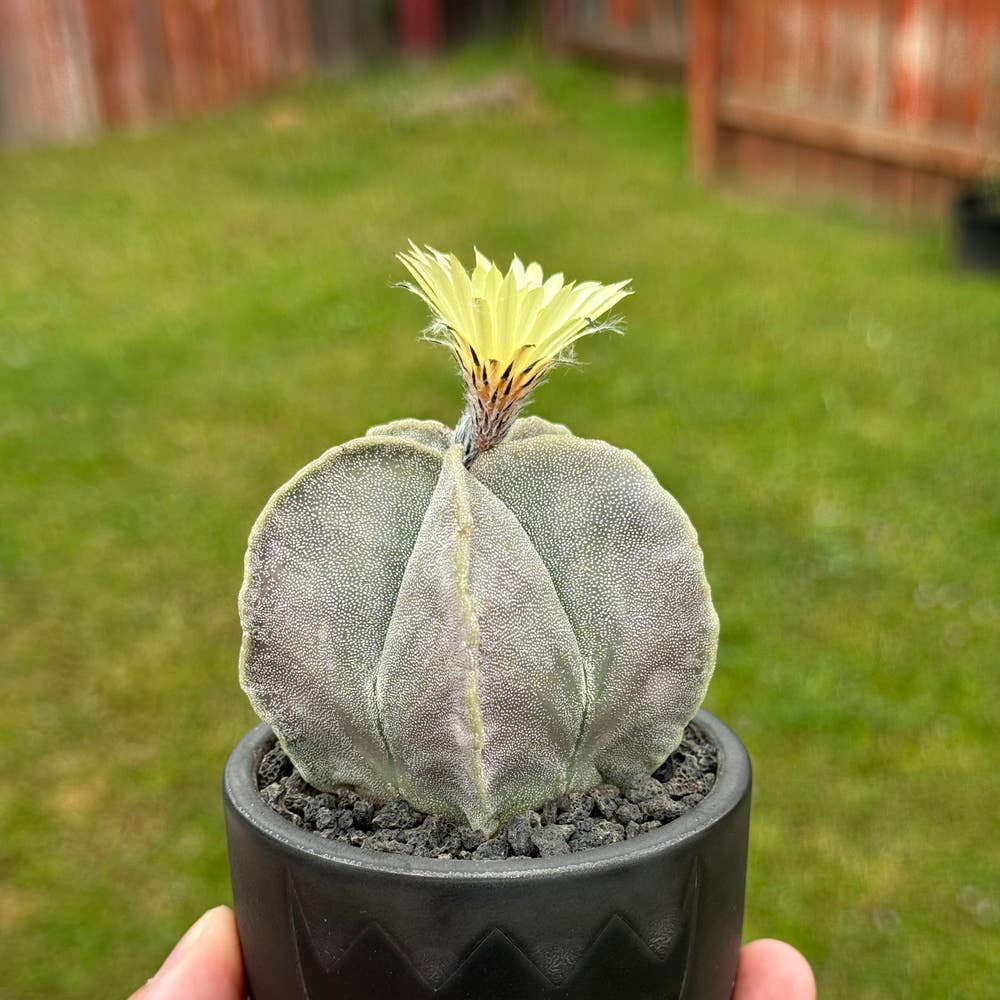
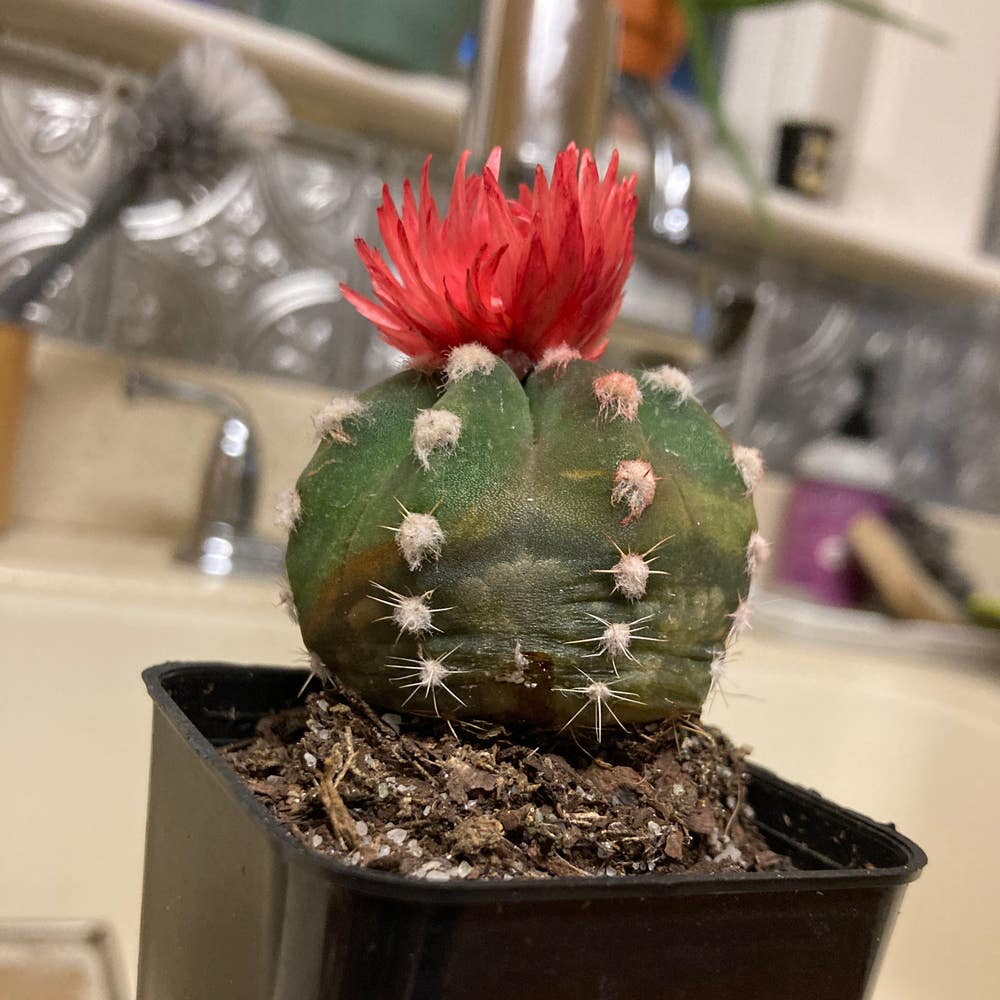
Bishop's Cap Cactus is Not an Invasive Plant 🌵
Astrophytum myriostigma
By the Greg Editorial Team
Sep 30, 2024•5 min read
This article was created with the help of AI so we can cover more plants for you. May contain errors. See one? Report it here.
- 🌵 Bishop's Cap Cactus is non-invasive, promoting local ecosystems without aggressive spreading.
- 🌼 Attracts pollinators like bees and butterflies, enhancing garden biodiversity.
- 💧 Drought-tolerant and slow-growing, it's perfect for sustainable, low-maintenance gardens.
Plant Classification
🌱 Invasive Species Definition
Invasive plants are species that spread aggressively, often outcompeting native flora. They typically thrive in new environments, disrupting local ecosystems and causing ecological harm.
🌵 Non-Invasive Nature
The Bishop's Cap Cactus, however, does not fit this mold. Its slow growth and limited spread mean it coexists harmoniously with other plants, making it a non-invasive choice for gardens.
This cactus thrives in specific conditions and doesn't aggressively take over spaces, allowing native plants to flourish alongside it. Its unique growth habits ensure it remains a delightful addition without overwhelming the landscape.
As we explore its growth habits next, you'll see how this cactus contributes positively to garden ecosystems.
Growth Habits
Typical Growth Patterns 🌵
The Bishop's Cap Cactus is known for its slow growth, typically reaching heights of up to 2 feet. Its segmented stems create a unique appearance, making it a striking addition to any garden.
This cactus grows in a controlled manner, limiting its spread. It thrives in well-drained soil, which naturally restricts its expansion and helps maintain its compact form.
Natural Limits to Growth 🚧
While the Bishop's Cap Cactus can grow to a decent height, its growth is steady rather than aggressive. This characteristic makes it an excellent choice for gardeners looking to avoid invasive species.
Additionally, its natural habitat conditions contribute to its growth limits. It prefers arid environments, which further curbs its spread and ensures it remains a manageable plant in garden settings.
Ecological Role
🌼 Benefits in Gardens
Bishop's Cap Cactus is a fantastic addition to any garden, especially for those looking to attract pollinators. Its vibrant blooms draw in bees and butterflies, playing a crucial role in supporting local biodiversity.
Moreover, this cactus contributes to soil health by preventing erosion and enhancing nutrient retention. Its unique root system helps stabilize the soil, making it a valuable asset in garden ecosystems.
🦜 Interactions with Wildlife
This cactus doesn't just benefit gardens; it also provides essential habitat for various wildlife. Birds often seek refuge among its segmented stems, while small mammals may find shelter in its nooks.
By supporting local ecosystems, Bishop's Cap Cactus fosters a balanced environment. Its presence encourages a diverse range of species to thrive, making it a true ally in sustainable gardening.
As we explore how to incorporate this cactus into garden designs, consider its ecological contributions as a key factor in your planning.
Garden Management
Incorporating into Designs 🌵
When incorporating Bishop's Cap Cactus into your garden, consider its unique shape and texture. This cactus can serve as a striking focal point or complement other drought-tolerant plants.
Pairing it with species like agave or yucca can create a visually appealing desert landscape. These companions not only enhance aesthetics but also thrive in similar conditions, ensuring a harmonious garden environment.
Growth Control Methods ✂️
To maintain the beauty of your Bishop's Cap Cactus, regular pruning is essential. Trimming back any overgrown segments helps keep its shape and encourages healthy growth.
Spacing is also crucial; ensure there's enough room between plants to allow for air circulation. This prevents overcrowding and promotes a vibrant garden display.
By thoughtfully managing its growth, you can enjoy the aesthetic benefits of this unique cactus while supporting its health and vitality.
As you plan your garden, consider how these management techniques can enhance your overall design. Next, let’s explore the ecological role of Bishop's Cap Cactus and its benefits in the garden.
Comparison to Other Plants
🌵 Similar Non-Invasive Plants
When considering non-invasive cacti, the Bishop's Cap Cactus stands out alongside others like the Golden Barrel and the Fishhook Barrel. Each of these plants shares a non-invasive nature, thriving in arid conditions without overwhelming local ecosystems.
The Golden Barrel, for example, is known for its striking round shape and vibrant yellow flowers. Meanwhile, the Fishhook Barrel offers unique hooked spines that add character to any garden. These cacti, like the Bishop's Cap, contribute to a sustainable landscape without posing a threat to native flora.
✨ Unique Qualities
What sets the Bishop's Cap Cactus apart is its remarkable drought tolerance. This plant can survive with minimal water, making it a perfect choice for xeriscaping.
Additionally, its aesthetic appeal is hard to ignore. The segmented stems create a visually interesting structure, while its flowers add bursts of color. Together, these qualities make the Bishop's Cap not just a survivor, but a standout in any garden setting.
As you explore options for your garden, consider how the unique traits of the Bishop's Cap can complement your landscape. Its resilience and beauty make it a worthy addition, especially when paired with other drought-tolerant species.
Next, let's delve into the legal and environmental considerations surrounding this remarkable cactus.
Legal and Environmental Considerations
🌱 Classifications and Guidelines
Bishop's Cap Cactus is generally recognized as a non-invasive species, which means it doesn't disrupt local ecosystems. Local regulations often support the cultivation of such plants, promoting biodiversity without the risk of overgrowth.
It's essential to check specific conservation statuses in your area. Some regions may have guidelines that encourage planting non-invasive species like the Bishop's Cap to maintain ecological balance.
♻️ Sustainable Gardening Practices
Incorporating Bishop's Cap Cactus into your garden supports sustainable practices. Its drought tolerance makes it an excellent choice for xeriscaping, which conserves water while still providing beauty.
By choosing this cactus, you're not just enhancing your garden's aesthetic; you're also contributing to a healthier environment. This plant attracts pollinators and helps maintain soil health, making it a win-win for both gardeners and local ecosystems.
As you plan your garden, consider how Bishop's Cap can play a role in promoting sustainability. Its resilience and low maintenance needs make it a fantastic addition to any eco-friendly landscape.
With these considerations in mind, you're well on your way to creating a garden that thrives while respecting the environment. Next, let’s explore how to effectively incorporate Bishop's Cap Cactus into your garden designs.
⚠️ Safety First
This content is for general information and may contain errors, omissions, or outdated details. It is not medical, veterinary advice, or an endorsement of therapeutic claims.
Always consult a qualified healthcare professional before using any plant as food, medicine, or supplement.
Never eat any plant (or feed one to pets) without confirming its identity with at least two trusted sources.
If you suspect poisoning, call Poison Control (800) 222-1222, the Pet Poison Helpline (800) 213-6680, or your local emergency service immediately.
Spotted an error? Please report it here.
Elevate your garden with the Bishop's Cap Cactus 🌵, a stunning non-invasive choice that thrives with Greg's tailored care reminders to keep your plants healthy and happy!