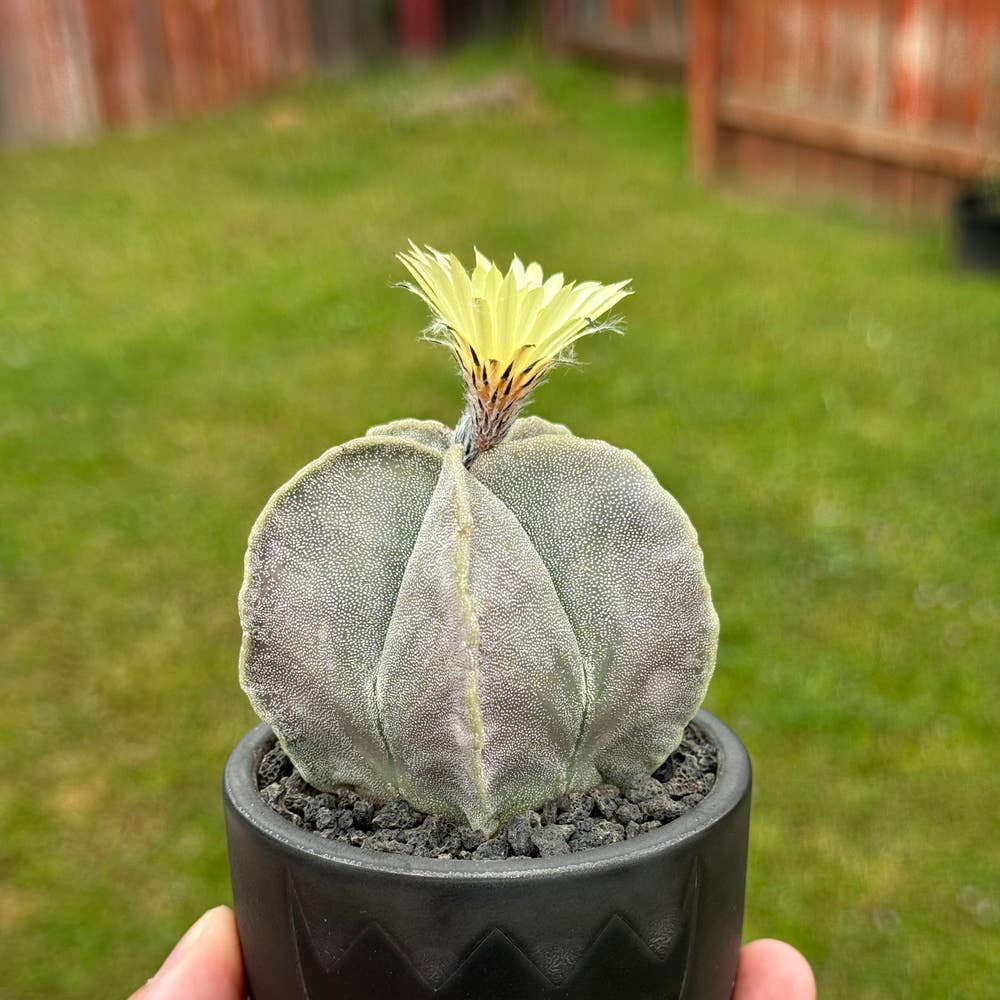
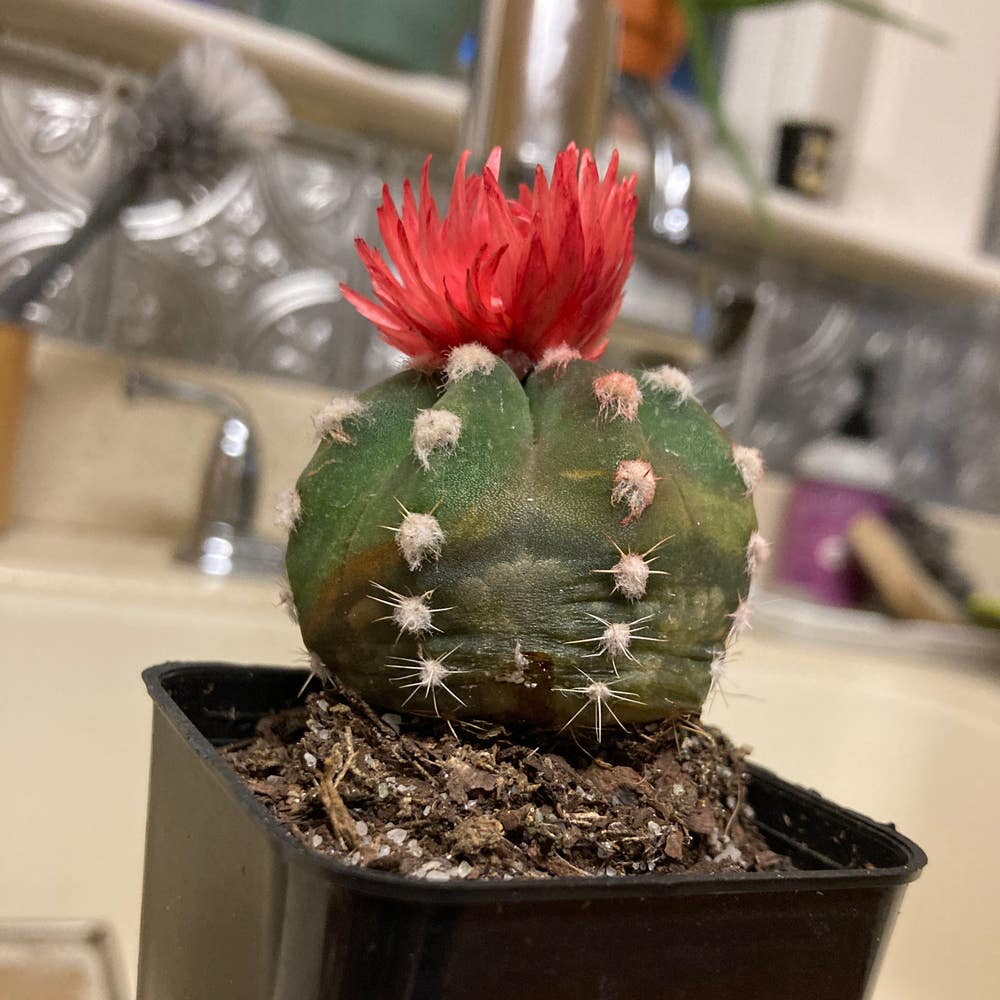
🌵 Why Are There Brown Spots on My Bishop's Cap Cactus?
Astrophytum myriostigma
By the Greg Editorial Team
Jun 18, 2024•5 min read
This article was created with the help of AI so we can cover more plants for you. May contain errors. See one? Report it here.
- 🌵 Sunburn causes crispy edges; move to shadier spot to prevent damage.
- Brown spots indicate watering issues; aim for moist, not soggy soil.
- Fungal/bacterial infections need isolation and precise treatment with fungicides or bactericides.
Spotting the Trouble: Identifying Brown Spots
🌞 Recognizing Sunburn Signs
Your Bishop's Cap Cactus might be throwing shade at your care routine if you spot crispy edges on its leaves. These are the telltale signs of sunburn. If your cactus is sporting a bad tan with bleached areas, it's time to rethink its sunbathing habits.
🚑 Quick Sunburn Actions
Caught your cactus turning crispy? Move it to a shadier spot, stat. Think of it as an emergency intervention to prevent further solar damage. Your cactus will thank you for the reprieve from the harsh rays.
🚰 Water Woes: Over or Underwatering
Brown spots can also scream "I'm drowning!" or "I'm parched!" if you're dealing with watering issues. Overwatering leads to soft, dark spots, while underwatering results in a dry, brown appearance. It's a delicate balance, like walking a tightrope with a watering can.
💧 The Sweet Spot for Watering
Finding the watering sweet spot is key. Your Bishop's Cap Cactus craves a drink when the soil is dry to the touch, but not a deluge that leaves it swimming. Aim for moist, not soggy, and you'll be golden.
🦠 Infection Inspection: Fungal and Bacterial Culprits
Not all brown spots are sunburn or hydration issues. Some are the work of fungal or bacterial party crashers. These spots can be sneaky, with a yellow halo or a pattern that's almost artistic.
🕵️ Spotting Infection vs. Sunburn
To differentiate between sunburn and infection, get hands-on. If the spots are soft and squishy, think infection. If they're dry and brittle, it's likely sunburn. And if they're textured and bumpy, you've got a fungal fiesta on your hands.
🦠 Infection Spread and Appearance
Fungal and bacterial infections can spread like gossip, so isolate your cactus if you spot suspicious lesions. These infections can show up as light brown, yellow, or even black spots, so keep a vigilant eye out for these unwelcome guests.

Sun and Shade: Balancing Act for Healthy Leaves
🌞 Finding the Perfect Spot
Your Bishop's Cap Cactus craves sunshine but despises sunburn. It's a delicate dance of light and shadow. Indoors, aim for a spot that gets bright, indirect light. Think near a sunny window, but not in the crosshairs of the sun's laser beam. Outdoors, morning sun is your cactus's caffeine boost, while afternoon shade is its siesta. Rotate the plant occasionally to ensure even exposure, and remember, the sun's path changes with the seasons—so should your cactus's spot.
🛡️ Creating a Sun Shield
When the sun's rays get too aggressive, it's time to intervene. A shade cloth with about 30% density can act like a parasol for your cactus, filtering out the harshness while letting in the glow. If you're more of an indoor plant whisperer, a sheer curtain can do the trick, softening the sunlight to a gentle caress. And if you're feeling crafty, reflective surfaces can redirect light to dark corners, giving your cactus the spotlight without the scorch. Just don't overdo it; this isn't a disco.

Watering Wisdom: Quenching Thirst without Drowning
💧 The Right Amount of H2O
Watering your Bishop's Cap Cactus is less about sticking to a strict schedule and more about observing its needs. Overwatering is often the culprit behind those unsightly brown spots. To avoid water-induced woes, water deeply but infrequently, allowing the soil to dry out between sessions. This mimics the natural arid conditions the cactus thrives in.
🌱 Soil and Drainage: The Dynamic Duo
Well-draining soil is non-negotiable for your Bishop's Cap Cactus. It's the hero that prevents water from overstaying its welcome at the root party. Pair this with a pot that has adequate drainage holes, and you've got a dynamic duo fighting against root rot. Remember, a cactus prefers a day in the desert over a day at the spa.

Battling the Brown: Treatment and Recovery
🌵 Pruning with Precision
When brown spots invade your Bishop's Cap Cactus, think surgeon, not lumberjack. Precision is key. Here's how to prune like a pro:
- Sterilize your scissors or shears with rubbing alcohol—clean cuts prevent infection.
- Identify and remove only the brown, damaged areas. It's like editing a photo: crop out the bad parts.
- Don't get scissor-happy. Removing more than 20% of the foliage can stress your cactus.
💊 Choosing and Using Treatments
Fungicides and bactericides are your cactus's knights in shining armor. But use them wisely:
- Select the right treatment. Copper-based fungicides are popular, but check if they suit your cactus.
- Alternate fungicides if you're going for multiple rounds—like having two aces up your sleeve.
- Apply treatments at the first sign of trouble. It's like catching a cold; the sooner, the better.
- Consistency is key. Regular applications are like your cactus's daily vitamin.
- Always follow the label instructions—those words are there for a reason.
Remember, the best defense is a strong offense. Keep your cactus healthy, and brown spots will think twice before showing up.
⚠️ Safety First
This content is for general information and may contain errors, omissions, or outdated details. It is not medical, veterinary advice, or an endorsement of therapeutic claims.
Always consult a qualified healthcare professional before using any plant as food, medicine, or supplement.
Never eat any plant (or feed one to pets) without confirming its identity with at least two trusted sources.
If you suspect poisoning, call Poison Control (800) 222-1222, the Pet Poison Helpline (800) 213-6680, or your local emergency service immediately.
Spotted an error? Please report it here.
Nurture your Bishop's Cap Cactus back to pristine health 🌵 by leveraging Greg's custom care plan to hit the sweet spot of watering and sunlight!