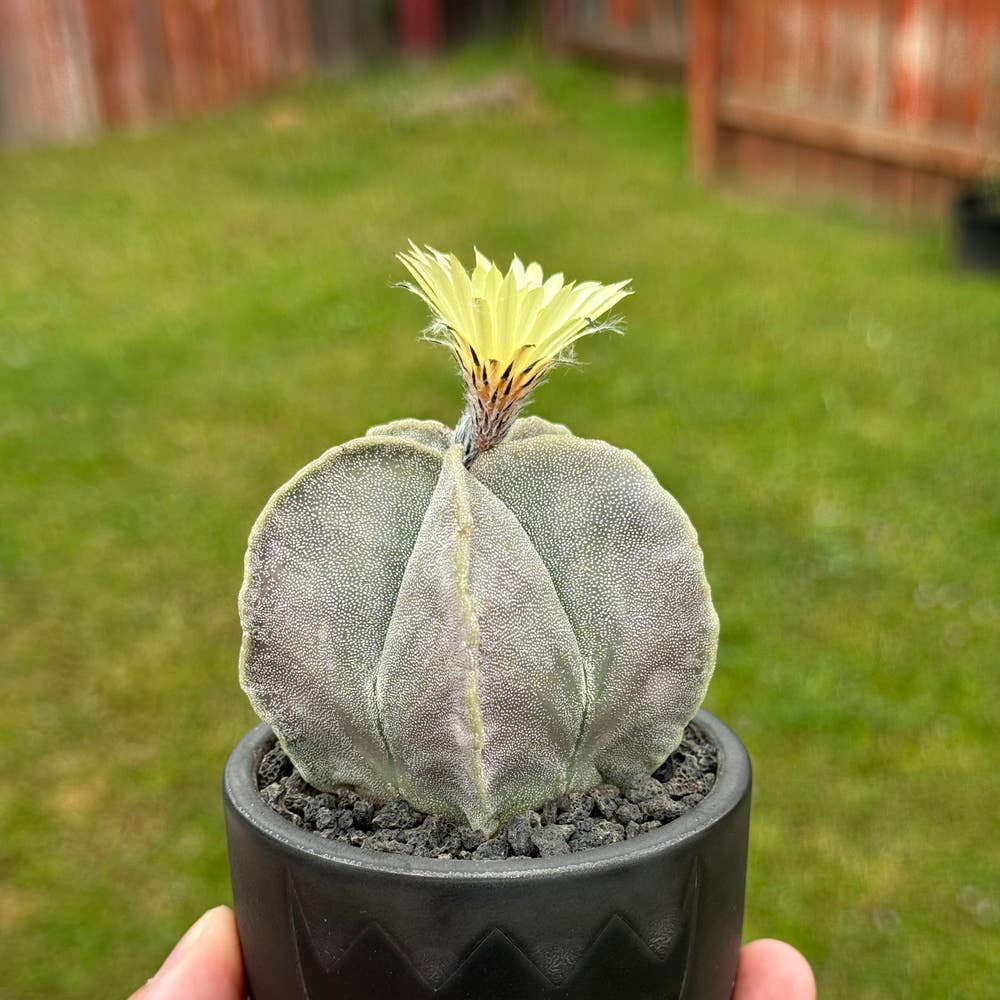
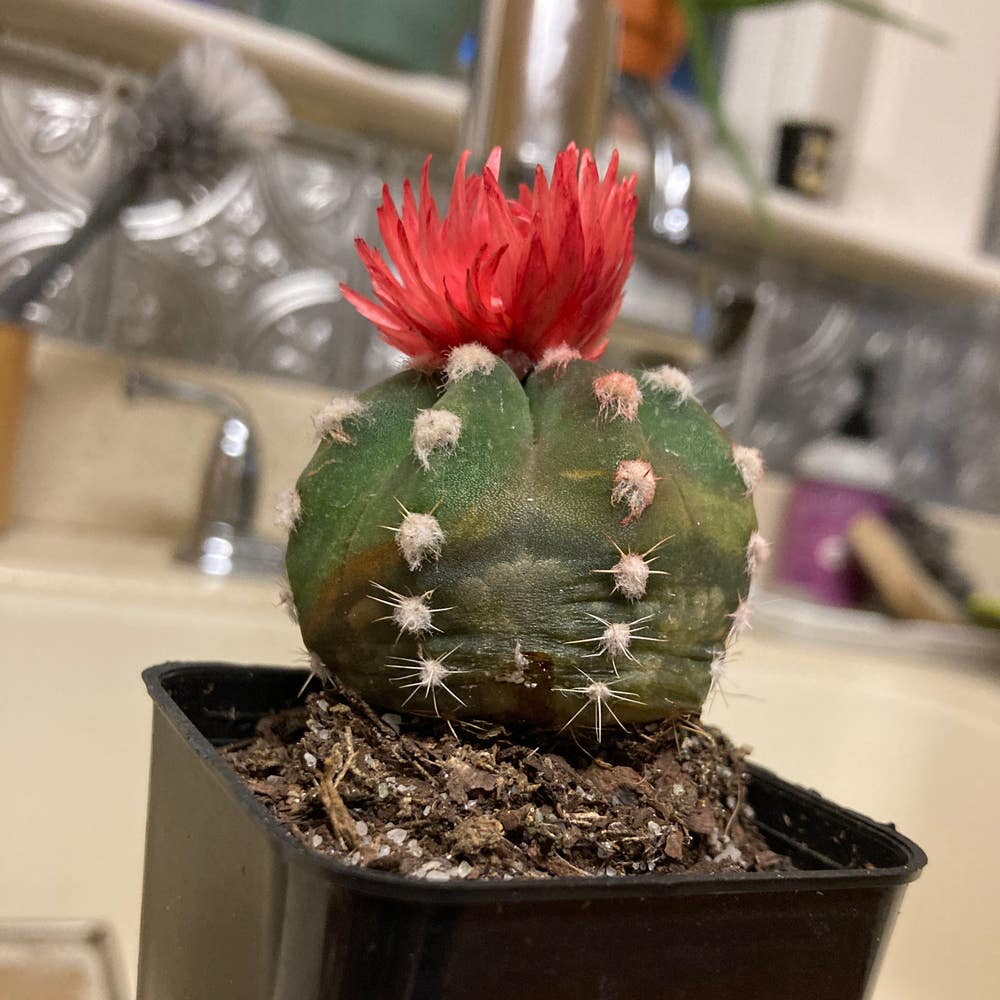
🌵 How to Know When to Repot a Bishop's Cap Cactus?
Astrophytum myriostigma
By the Greg Editorial Team
Jun 18, 2024•4 min read
This article was created with the help of AI so we can cover more plants for you. May contain errors. See one? Report it here.
- 🌵 Roots visible or water draining fast? Time to repot your cactus.
- Spring/early summer best for repotting; choose terracotta for breathability.
- Repot gently, avoid water for a week, and monitor for stress post-repotting.
Spotting the Telltale Signs to Repot
🌱 Root Clues
Root-bound symptoms scream for attention. If roots are peeking out of drainage holes or circling the surface soil, it's time to act. Imagine your cactus sending an SOS; it's a clear signal that your prickly buddy needs a new zip code.
💧 Water Signals
Water behavior can be a dead giveaway. When water rushes through the pot, barely saying hello to the soil, it's not just quirky—it's a cry for help. Your cactus is thirstier for space than it is for water.
📏 Growth Checks
Assessing the cactus's size isn't just about bragging rights. A growth plateau or a top-heavy plant that's more awkward than a teenager at a dance signals it's time to repot. If your cactus is looking more cramped than a clown car, give it room to breathe.

The Repotting Rundown
Spring or early summer is your green light for repotting the Bishop's Cap Cactus. These seasons sync with the cactus's growth spurt, making it less of a shock to the system.
🌵 Step-by-Step Guide
- Wait for dry soil before you start—this makes the cactus easier to handle.
- Gently coax the cactus out of its pot to avoid damaging its roots.
- Inspect the roots, snipping away any that are dead or rotting.
- Shake off old soil to free up the roots and give them a fresh start.
- Choose a new pot that's slightly larger—one size up does the trick.
- Repot with a fast-draining mix, tailored for these desert dwellers.
- Post-repot, let the cactus settle—hold off on watering for about a week to avoid root rot.
Choosing the Right Pot Size
The Bishop's Cap Cactus doesn't like to swim in soil. Select a pot that's just about 1-2 inches wider than the current one. This gives it room to grow without the risk of waterlogging, which is basically a death sentence for these arid aficionados.

Picking the Perfect Pot Material
💨 Breathability and Drainage: Non-Negotiables for Bishop's Cap Cactus
When it comes to the Bishop's Cap Cactus, think lungs and sieves. Breathability and drainage are your cactus's best friends. Without them, you're basically giving your plant a one-way ticket to Root Rot Central.
Material Match-Up: Terracotta Takes the Crown
Terracotta is the reigning champ for cactus pots. It's like the plant world's equivalent of breathable cotton underwear—essential for comfort and health. Unglazed ceramic follows closely behind, offering a similar vibe with a different aesthetic.
What to Avoid: The No-Nos of Pot Materials
Plastic and glazed ceramic might look snazzy, but they're about as useful as a chocolate teapot for drainage. They can trap water like a dam, and we all know cacti and water don't mix unless you're aiming for a mushy mess.
The Verdict: It's All About Lifestyle Fit
Ultimately, it's a dance between your plant's needs and your own. If you're a serial over-waterer, terracotta will save your cactus from your well-meaning but misguided TLC. If you're forgetful, maybe risk it with plastic, but don't say I didn't warn you.

Post-Repotting Care
🌵 Settling In
After the repotting shuffle, your Bishop's Cap Cactus needs a moment to catch its breath. Avoid direct sunlight; think of it as a post-surgery patient avoiding a beach vacation. Instead, find a cozy spot with bright, indirect light. And hold off on the waterworks; give it about a week before the first watering to prevent root rot.
👀 Watchful Eye
Keep a lookout for the cactus equivalent of a distress signal: drooping or discoloration. If you spot these, don't hit the panic button. Instead, tweak your care routine with the precision of a ninja adjusting their katana. Remember, overwatering is the kiss of death here; your cactus isn't auditioning for a role in "Waterworld." Give it time to acclimate, and with a bit of patience, your spiky friend will be back to its perky self.
⚠️ Safety First
This content is for general information and may contain errors, omissions, or outdated details. It is not medical, veterinary advice, or an endorsement of therapeutic claims.
Always consult a qualified healthcare professional before using any plant as food, medicine, or supplement.
Never eat any plant (or feed one to pets) without confirming its identity with at least two trusted sources.
If you suspect poisoning, call Poison Control (800) 222-1222, the Pet Poison Helpline (800) 213-6680, or your local emergency service immediately.
Spotted an error? Please report it here.
Repot your Bishop's Cap Cactus at just the right moment with Greg's custom-tailored reminders 🌵, making sure your prickly pal has the perfect space to grow!