🌵 3 Easy Ways to Pollinate Bishop's Cap Cactus
Astrophytum myriostigma
By the Greg Editorial Team
Sep 27, 2024•5 min read
This article was created with the help of AI so we can cover more plants for you. May contain errors. See one? Report it here.
- 🌵 Bishop's Cap Cactus is self-pollinating, thriving without external pollen sources.
- 🐝 Attract pollinators like bees and hummingbirds to enhance fruit and seed production.
- ✋ Hand pollination boosts yields; best done in the morning when flowers are open.
Self-Pollination vs. Cross-Pollination
Bishop's Cap Cactus is primarily a self-pollinating species. This means it can produce fruit and seeds without needing pollen from another plant, making it a resilient choice for gardeners.
Understanding the nuances of pollination can significantly enhance the health of your cactus. By grasping how both self-pollination and cross-pollination work, you can optimize fruit and seed production, ensuring a thriving plant.
Self-pollination allows the Bishop's Cap to efficiently reproduce in various conditions. However, incorporating cross-pollination can lead to increased genetic diversity and potentially more robust fruit yields.
Recognizing the benefits of both methods empowers you as a gardener. It opens up opportunities for experimentation and maximizes the potential of your Bishop's Cap Cactus.
As we delve deeper into the flower structure, you'll see how these mechanisms play a crucial role in attracting pollinators and enhancing the overall pollination process.
Flower Structure
Description of Flower Characteristics 🌸
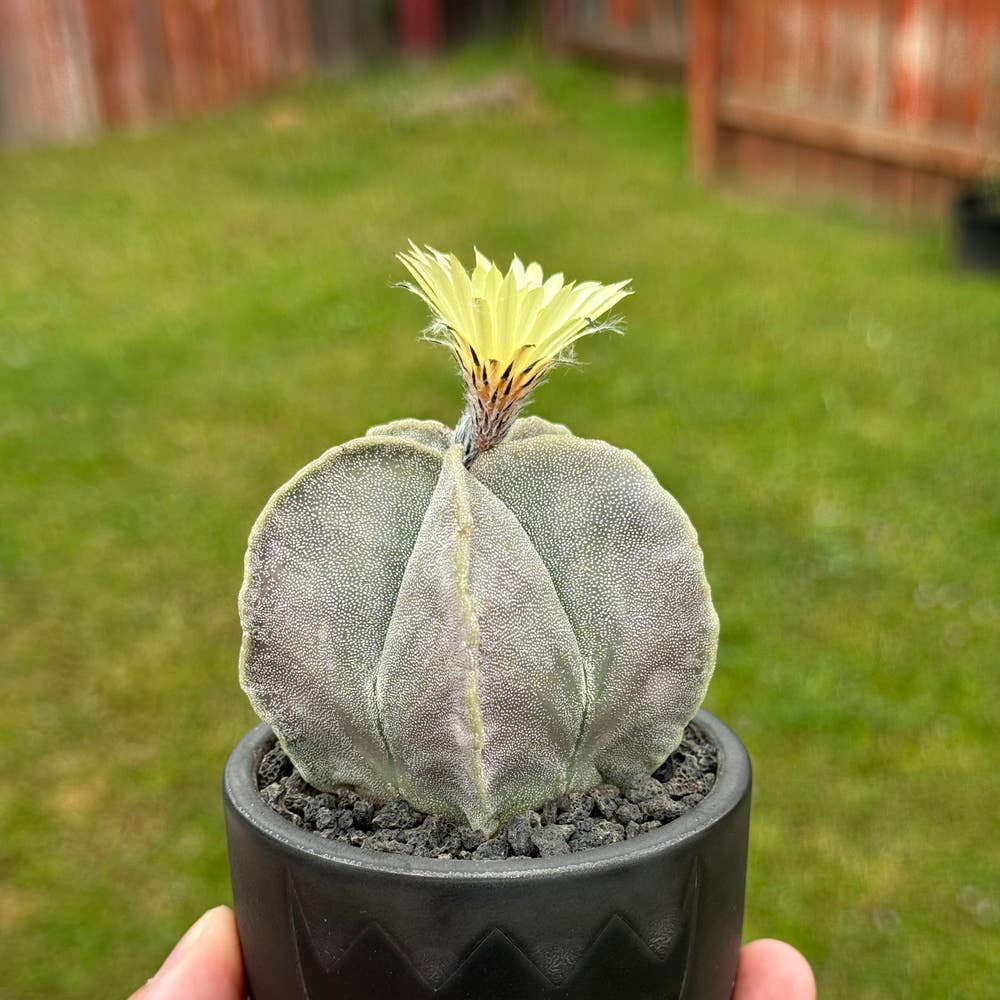
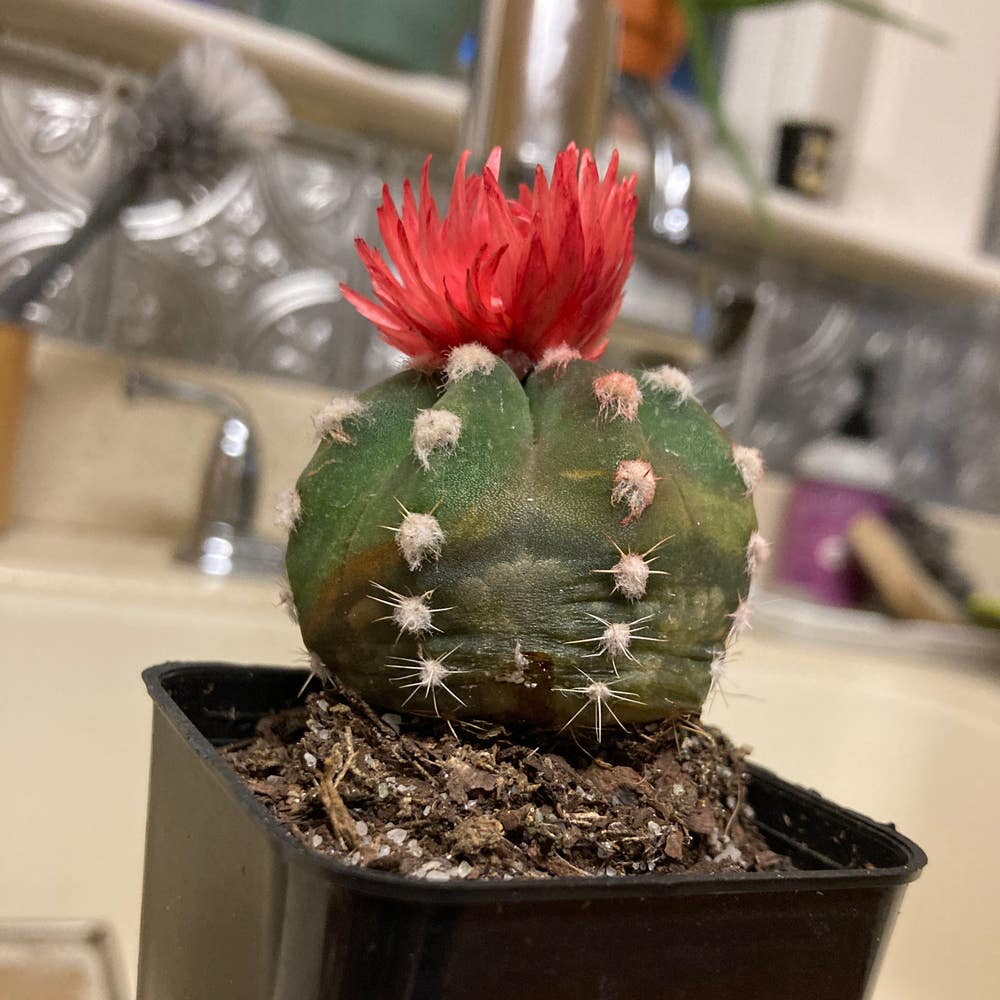
The Bishop's Cap Cactus boasts stunning funnel-shaped blooms that are hard to miss. These flowers come in vibrant hues like pink, orange, and yellow, creating a striking visual display.
The arrangement features multiple petals surrounding prominent stamens, making them not only beautiful but also functional. This structure is essential for attracting pollinators and facilitating reproduction.
Role of Flower Structure in Pollination 🐝
The unique flower structure plays a crucial role in attracting various pollinator species. The bright colors and enticing fragrance draw in bees, butterflies, and hummingbirds, ensuring effective pollination.
Additionally, the design supports both self-pollination and cross-pollination. The positioning of stamens and pistils allows for easy pollen transfer, enhancing the chances of successful fertilization.
Understanding these characteristics can significantly improve your gardening success. With the right knowledge, you can optimize the health and fruit production of your Bishop's Cap Cactus.
Next, we’ll explore the pollination process in detail, including the mechanisms of self-pollination and the role of pollinators.
Pollination Process
🌼 Mechanisms of Self-Pollination
The Bishop's Cap Cactus is a master of self-pollination. Its flowers are designed to facilitate this process, allowing pollen to transfer from the stamens to the stigma within the same bloom.
While self-pollination ensures some level of fruit and seed production, exploring additional pollination methods can significantly enhance yields. This is especially beneficial for gardeners looking to maximize their harvest.
🐝 Identification of Primary Pollinators
Several key pollinators are drawn to the Bishop's Cap Cactus, including bees, butterflies, moths, and hummingbirds. Each of these species plays a unique role in the cactus's reproductive success.
For instance, bees are particularly effective at transferring pollen due to their foraging habits. Hummingbirds, attracted by vibrant colors, also contribute to cross-pollination, enriching genetic diversity.
🌸 Attraction Strategies for Pollinators
The vibrant colors and delightful fragrances of the Bishop's Cap flowers serve as powerful attractants for pollinators. These features not only catch the eye but also entice pollinators to visit.
Timing is crucial as well; flowering seasons are often synchronized with peak pollinator activity. This strategic alignment increases the chances of successful pollination and, ultimately, a fruitful harvest.
Understanding these dynamics can help you cultivate a thriving Bishop's Cap Cactus, ensuring it attracts the right pollinators at the right time.
Hand Pollination
Step-by-Step Instructions for Hand Pollination 🌼
Hand pollination can be a rewarding way to enhance the fruit and seed production of your Bishop's Cap Cactus. Here’s how to do it effectively:
- Gather materials: You’ll need a small brush or a cotton swab.
- Identify male and female flower parts:
- Male: Look for the stamens, which are covered in pollen.
- Female: Find the pistil, where the stigma is located.
- Collect pollen from male flowers: Gently brush the stamens to gather the pollen.
- Transfer pollen to the stigma of female flowers: Carefully apply the pollen to the stigma.
- Monitor for signs of successful fertilization: Watch for changes in the flower, indicating that fertilization has occurred.
Timing and Techniques for Successful Fertilization ⏰
Timing is crucial for successful hand pollination. The best time to pollinate is early morning when the flowers are fully open and most receptive.
To ensure effective pollen transfer, use a gentle touch. This minimizes damage to the delicate flower parts and maximizes the chances of successful fertilization.
By mastering hand pollination, you can significantly boost your cactus's health and productivity. Now that you know how to pollinate, let’s explore some common challenges you might face in the process.
Pollination Challenges
Common Obstacles to Successful Pollination 🌵
Pollination for the Bishop's Cap Cactus can face several hurdles. Environmental factors like temperature and humidity can significantly impact the process, as can a lack of pollinators in the area.
Seasonal variations also play a role. During certain times of the year, the availability of pollinators may dwindle, making it harder for your cactus to reproduce effectively.
Solutions for Overcoming Environmental Challenges 🌼
To improve pollination success, consider creating a more inviting environment for pollinators. Planting companion flowers nearby can attract bees and butterflies, enhancing the chances of cross-pollination.
Monitoring environmental conditions is crucial. Adjusting care routines based on temperature and humidity can help ensure your cactus thrives, even in less-than-ideal conditions.
By staying proactive and attentive, you can support your Bishop's Cap Cactus through its pollination journey. This not only boosts fruit and seed production but also enriches your gardening experience.
⚠️ Safety First
This content is for general information and may contain errors, omissions, or outdated details. It is not medical, veterinary advice, or an endorsement of therapeutic claims.
Always consult a qualified healthcare professional before using any plant as food, medicine, or supplement.
Never eat any plant (or feed one to pets) without confirming its identity with at least two trusted sources.
If you suspect poisoning, call Poison Control (800) 222-1222, the Pet Poison Helpline (800) 213-6680, or your local emergency service immediately.
Spotted an error? Please report it here.
Unlock the full potential of your Bishop's Cap Cactus with expert pollination tips 🌸 from Greg, ensuring vibrant blooms and bountiful fruit in your garden!