Best Ways to Protect Bishop's Cap Cactus from Frost ❄️
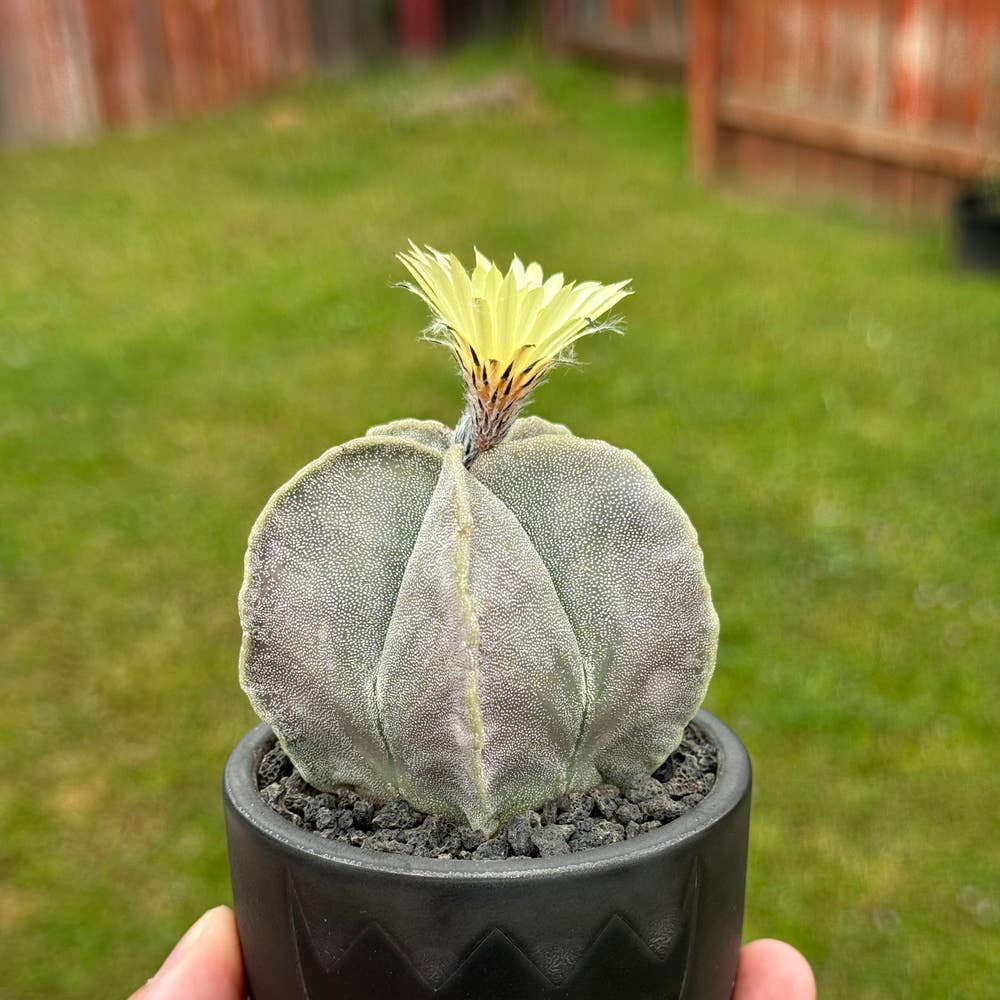
Astrophytum myriostigma
By the Greg Editorial Team
Sep 30, 2024•4 min read
This article was created with the help of AI so we can cover more plants for you. May contain errors. See one? Report it here.
- ❄️ Prepare before frost by timing protection measures for Bishop's Cap Cactus.
- 🌱 Mulching and windbreaks effectively insulate and shield your cactus from frost damage.
- 🏠 Bring indoors during frost for stable conditions and bright light to protect your cactus.
Frost Protection Strategies
Best Practices for Outdoor Protection 🌬️
To protect your Bishop's Cap Cactus from frost, timing is crucial. Start your preparations before the first frost hits.
Mulching around the base of the cactus is an effective method to insulate the roots. Additionally, creating windbreaks using burlap or other materials can shield your cactus from harsh winds that exacerbate frost damage.
Indoor Care Options 🏠
If frost threatens your cactus, consider bringing it indoors. The ideal indoor conditions include bright light and stable temperatures.
Position your cactus near windows that provide indirect sunlight. This will help maintain its health while keeping it safe from the cold.
Use of Protective Materials 🛡️
When it comes to frost protection materials, frost cloths are a top choice. They are lightweight and breathable, allowing moisture to escape while keeping the frost at bay.
Plastic sheeting can also be effective but requires caution. It’s essential to cover the cactus at night and remove the covering during the day to prevent overheating.
By implementing these strategies, you can significantly enhance your Bishop's Cap Cactus's chances of surviving the frost. Next, let’s explore how to adjust your watering and fertilizing routine during the colder months.
Watering and Fertilizing Adjustments
🌱 Adjusting Watering Schedule During Dormancy
During the dormancy period, it's crucial to adjust your watering schedule. Reduce watering to once every 4-6 weeks to prevent over-saturation.
Check the soil moisture before watering; it should feel dry to the touch. This helps ensure your Bishop's Cap Cactus remains healthy and avoids root rot.
❄️ Fertilizing Needs in Winter
When it comes to fertilizing in winter, less is more. Generally, minimal to no fertilization is needed during dormancy.
If you feel it's necessary, use a diluted, balanced fertilizer. This will provide just enough nutrients without overwhelming the plant.
🚰 Signs of Overwatering or Underwatering
Recognizing the signs of overwatering is essential for your cactus's health. Look for yellowing or mushy stems, which indicate root rot risk.
On the flip side, underwatering can lead to a wrinkled or shriveled appearance. Stunted growth is another telltale sign that your cactus needs more water.
Understanding these signs will help you maintain the right balance for your Bishop's Cap Cactus. With proper care, your cactus will thrive, ready to greet the warmer months ahead.
Spring Preparation and Recovery
🥶 Assessing Winter Damage and Recovery Steps
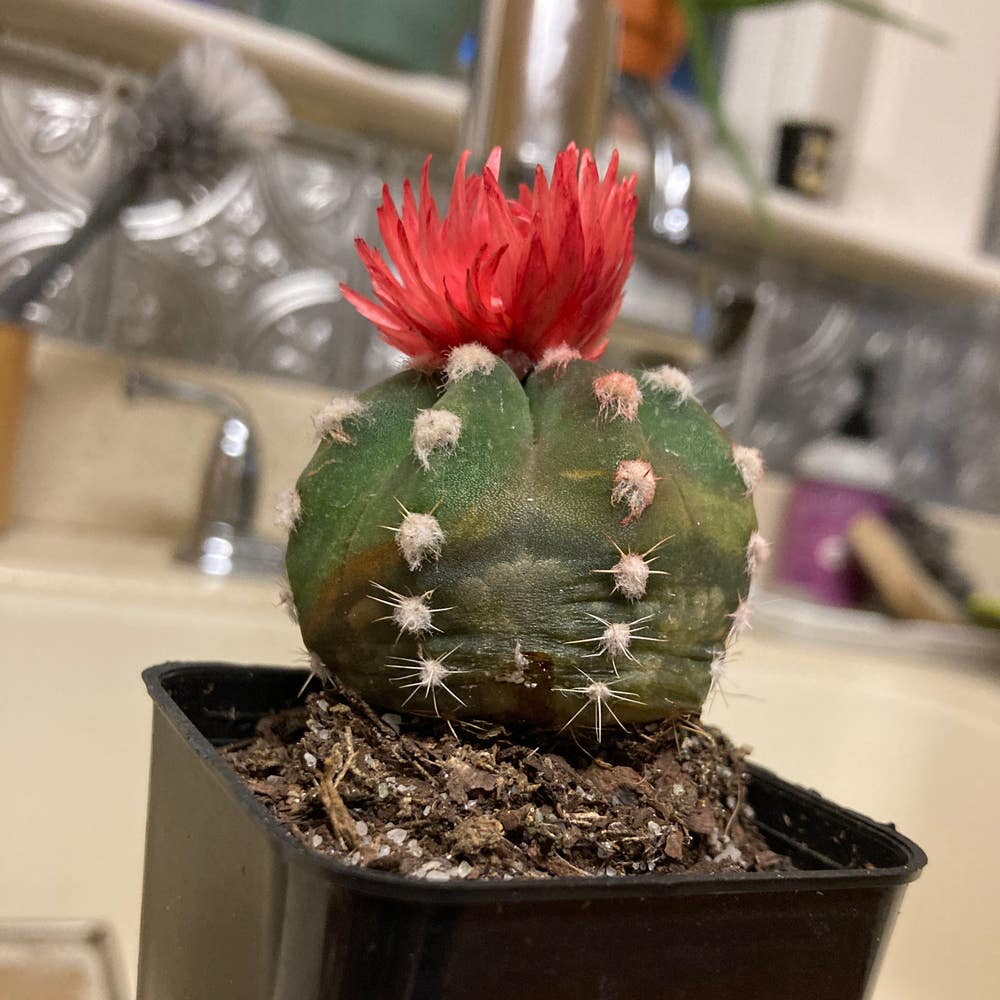
After a harsh winter, it's crucial to assess your Bishop's Cap Cactus for any frost damage. Look for discoloration, soft spots, or blackened areas, which are clear indicators that your cactus has suffered.
To help your cactus recover, prune away any damaged areas. This encourages new growth and helps the plant focus its energy on healthy parts. Additionally, allow the cactus to dry out completely before watering again; this prevents further stress on the plant.
🌱 Preparing for Spring Growth After Dormancy
As spring approaches, watch for signs that your cactus is waking up. New growth or noticeable color changes are good indicators that it's time to adjust your care routine.
Gradually increase watering and light exposure to support this transition. Your cactus will appreciate the gentle nudge back into its growing season.
🌞 Tips for Transitioning Back to Outdoor Conditions
Timing is everything when moving your cactus back outdoors. Wait until nighttime temperatures consistently stay above freezing to avoid shocking the plant.
Once the temperatures are right, begin the acclimatization process. Gradually expose your cactus to outdoor conditions over 1-2 weeks, allowing it to adjust to the new environment without stress.
This careful transition will set your Bishop's Cap Cactus up for a thriving spring and summer. Now that you’re prepared for the warmer months, let’s explore common problems and solutions to keep your cactus healthy year-round.
Common Problems and Solutions
🌨️ Identifying Frost Damage Symptoms
Frost damage can manifest in several ways. Look for visual indicators like wilting, browning, or blackened areas on your Bishop's Cap Cactus.
Ignoring these signs can lead to long-term effects. If not addressed promptly, the damage may become permanent, jeopardizing the health of your plant.
🛠️ Solutions for Common Winter-Related Issues
If you notice frost damage, take immediate action. Pruning the affected areas can help the cactus recover and promote new growth.
Proper watering techniques are also crucial. Ensure you’re not overwatering, as this can exacerbate damage and lead to root rot.
❄️ Preventative Measures for Future Winters
To safeguard your cactus in future winters, start by regularly monitoring weather forecasts. This will help you anticipate cold snaps and prepare accordingly.
Implement protective measures early in the season. Educating yourself about the specific cold hardiness of your plant will empower you to take proactive steps.
By staying informed and prepared, you can ensure your Bishop's Cap Cactus thrives, even in challenging conditions. Now, let’s explore how to adjust your watering and fertilizing routine during dormancy.
⚠️ Safety First
This content is for general information and may contain errors, omissions, or outdated details. It is not medical, veterinary advice, or an endorsement of therapeutic claims.
Always consult a qualified healthcare professional before using any plant as food, medicine, or supplement.
Never eat any plant (or feed one to pets) without confirming its identity with at least two trusted sources.
If you suspect poisoning, call Poison Control (800) 222-1222, the Pet Poison Helpline (800) 213-6680, or your local emergency service immediately.
Spotted an error? Please report it here.
Safeguard your Bishop's Cap Cactus from frost with timely preparations 🌵 and let Greg guide you with tailored reminders and expert tips for thriving care all year round!