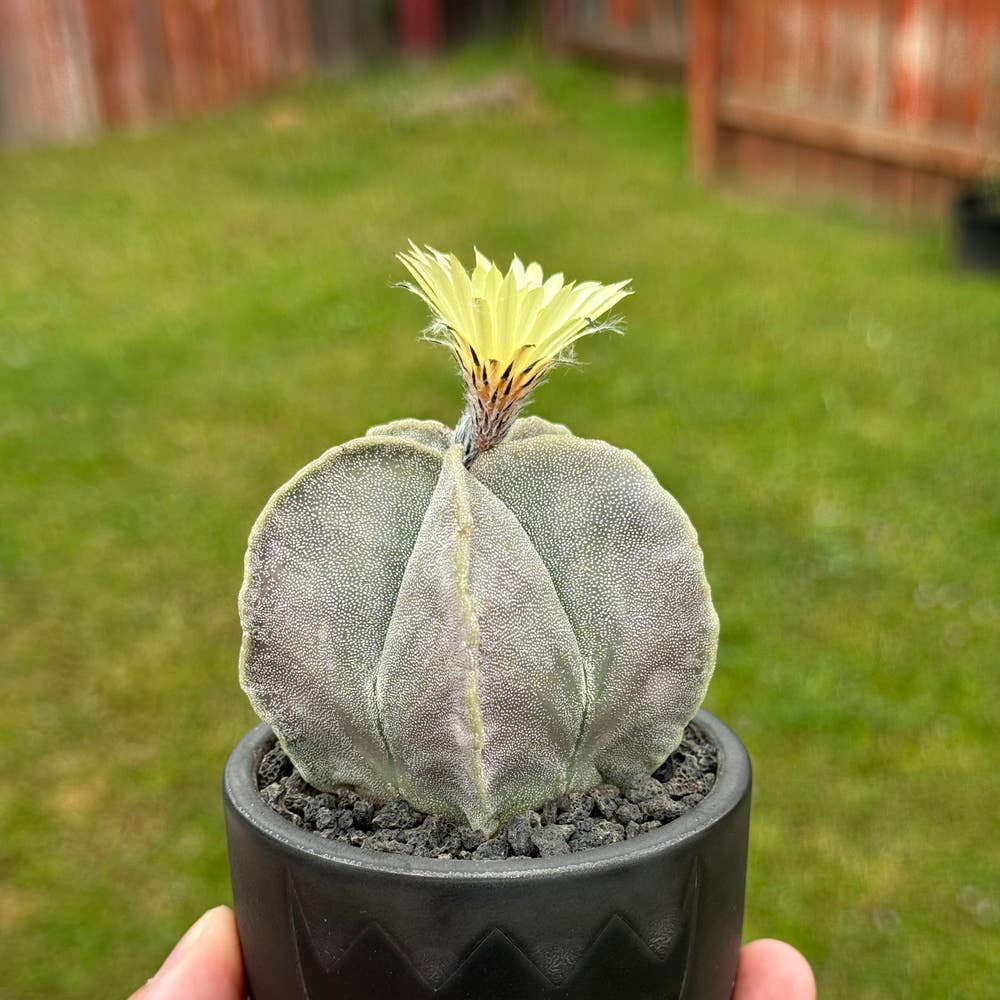
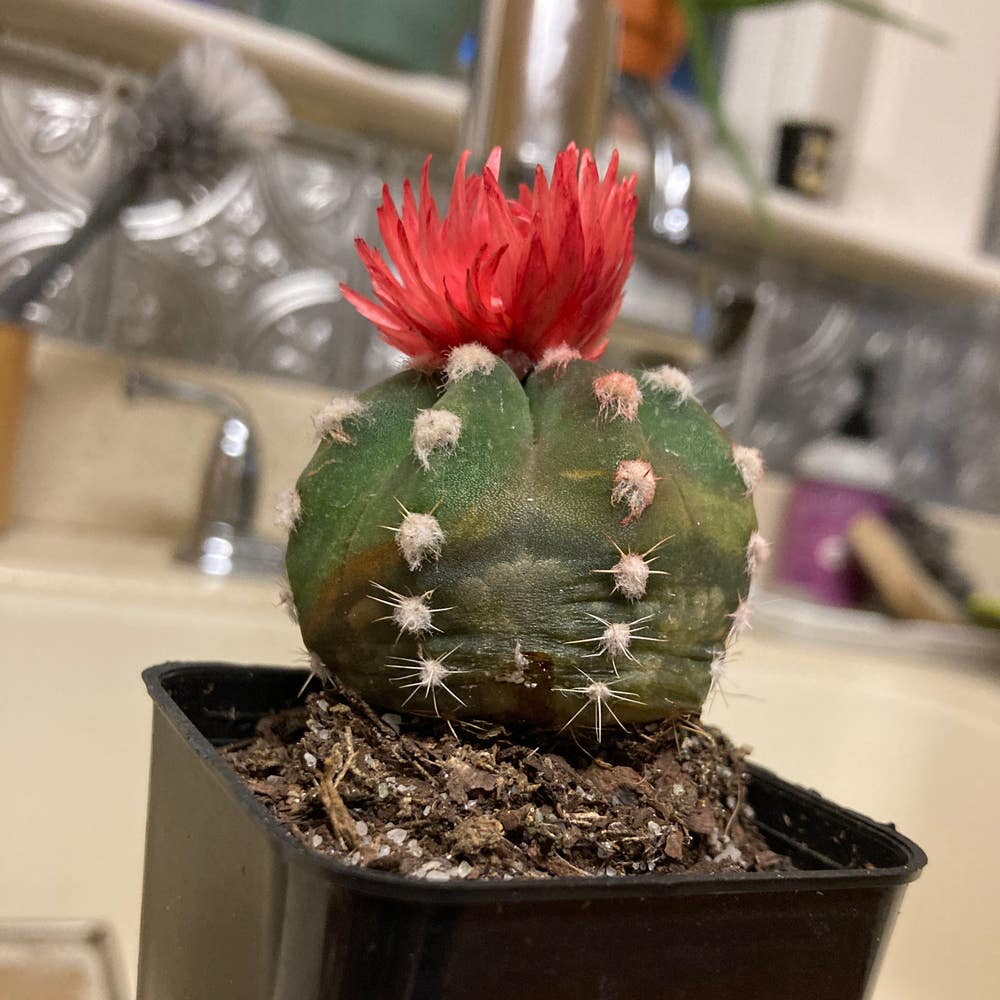
🌞 Year-Round Light Requirements For My Bishop's Cap Cactus
Astrophytum myriostigma
By the Greg Editorial Team
Jun 18, 2024•4 min read
This article was created with the help of AI so we can cover more plants for you. May contain errors. See one? Report it here.
- Seasonal sunlight adjustment is key to prevent sunburn or deprivation.
- 🌵 Use grow lights in winter to supplement natural light for indoor cacti.
- Blooming requires bright light in spring and summer; less in off-season.
Maximizing Sunlight for Your Cactus Outdoors
🌞 Seasonal Sunlight Shifts
In the dynamic dance of the seasons, your Bishop's Cap Cactus's light needs will pirouette accordingly. During the summer, it's all about avoiding the midday solar high-kicks; provide some afternoon shade to prevent a sunburnt encore. As winter waltzes in, let your cactus soak up the sun's softer glow for longer periods to make up for the diminished intensity.
🛡️ Protecting from Harsh Rays
Shielding your cactus from the summer sun's harsh spotlight is crucial. Think of it as providing a parasol for your prickly friend. If you notice your cactus getting a tan (yellow or brown spots), it's time to scoot it into the shade. Positioning matters; the south side is the cactus's tough hide, better suited to face the sun's glare. Rotate your cactus to ensure it gets an even dose of vitamin D, avoiding a lopsided performance.

Navigating Indoor Light Variations
⛅️ Winter Woes: Boosting Light Intake
As winter casts a shadow over your indoor garden, your Bishop's Cap Cactus may start to feel the light-deprived blues. Boosting light intake becomes crucial. Move your spiky friend closer to a south-facing window to catch those precious rays. But, beware of cold drafts that can tag along; they're not part of the winter cheer squad. If your windowsill turns out to be a sunless pit, it's time to bring in the big guns: artificial grow lights. Position them to mimic the sun's embrace, ensuring your cactus doesn't slump into a light-starved stupor.
🌞 Summer Strategies: Avoiding Overexposure
Come summer, the sun is not just a bright idea—it's an overzealous beam machine. Your cactus loves light, but too much direct sunlight indoors can turn its vibrant green to a crispy brown. Rotate your plant regularly to avoid one-sided sunburns. Use sheer curtains to diffuse the harsh rays; think of them as sunglasses for your cactus. And if your indoor space feels like a solar oven, relocate your cactus to a spot with bright, indirect light. It's like moving it from a beach sunbed to the cool shade of a cabana, minus the cocktail service.

Flower Power: Light's Role in Blooming Seasons
🌸 Spring and Summer Blooming
Bright light is the maestro of the Bishop's Cap Cactus's blooming orchestra. As spring unfurls, so should your vigilance in ensuring your cactus gets ample sunlight. This is when the cactus is most thirsty for rays, setting the stage for a spectacular floral show. Rotate your plant regularly to give each side its moment in the sun, preventing lopsided growth and encouraging uniform blooming.
🍂 Off-Season Care
Come the off-season, your cactus craves a different tune. Dial back the light to mimic the cactus's natural rest period. This isn't full-on blackout; think of it as dimming the lights for intermission. It's about balance—enough light to maintain health, but not so much that the plant skips its much-needed break. This rest is crucial; it's the secret sauce for a blooming encore come next season. Keep an eye on your cactus's body language—a stretch for light or a color change might signal it's time to tweak the lighting.

Supplementing with Grow Lights: A Year-Round Solution
💡 Choosing the Right Grow Light
In the quest for year-round cactus contentment, selecting the right grow light is akin to finding the perfect hat—it needs to fit just right. Full-spectrum LED lights are the top pick, offering a sun-like rainbow to keep your Bishop's Cap Cactus basking in artificial bliss. If your wallet is feeling light, fluorescent bulbs are a solid plan B, though they're the thrift shop version compared to LEDs' high-end boutique.
💡 Seasonal Grow Light Schedules
When the sun clocks out early, grow lights clock in. Winter demands a boost, so crank up those lumens for about 12-16 hours to mimic shorter days. Come summer, dial it back; too much artificial sun can lead to a cactus sunburn, and nobody wants that. A timer isn't just a nice-to-have; it's your cactus's circadian rhythm keeper. Keep it consistent, and your cactus won't throw shade for being kept in the dark.
⚠️ Safety First
This content is for general information and may contain errors, omissions, or outdated details. It is not medical, veterinary advice, or an endorsement of therapeutic claims.
Always consult a qualified healthcare professional before using any plant as food, medicine, or supplement.
Never eat any plant (or feed one to pets) without confirming its identity with at least two trusted sources.
If you suspect poisoning, call Poison Control (800) 222-1222, the Pet Poison Helpline (800) 213-6680, or your local emergency service immediately.
Spotted an error? Please report it here.
Keep your Bishop's Cap Cactus perfectly sun-kissed and happy 🌞 with Greg's personalized care tips that adjust to the seasons and your home's unique light conditions.