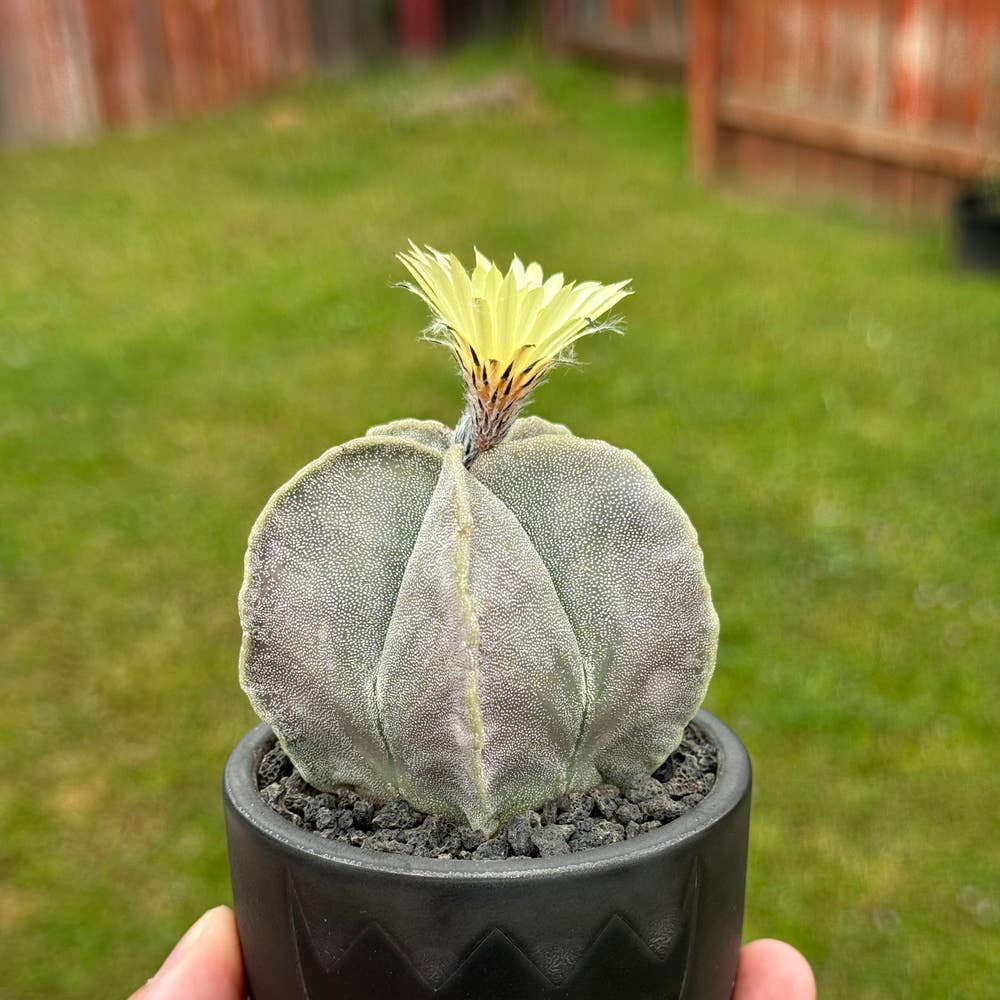
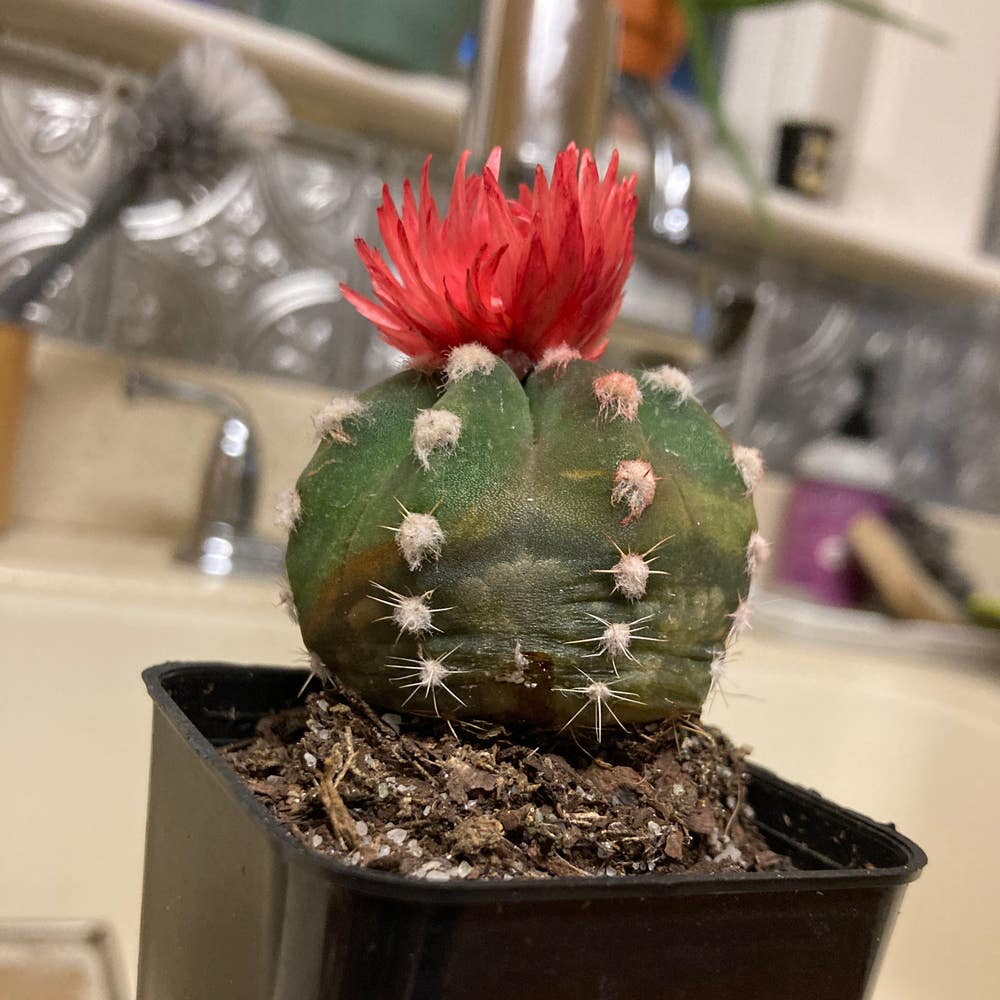
Bishop's Cap Cactus Is a Perennial 🌵
Astrophytum myriostigma
By the Greg Editorial Team
Sep 30, 2024•4 min read
This article was created with the help of AI so we can cover more plants for you. May contain errors. See one? Report it here.
- 🌵 Bishop's Cap cactus thrives for decades with proper care and optimal conditions.
- 🌞 Seasonal cycles and climate significantly influence its growth and flowering patterns.
- 💧 Low maintenance and drought-resistant, it's perfect for sustainable gardening practices.
Characteristics of Bishop's Cap Cactus as a Perennial
Multi-Year Lifecycle 🌱
The Bishop's Cap cactus showcases a fascinating multi-year lifecycle. It begins with germination, progressing to maturity, and can thrive for several decades when provided optimal conditions.
Growth patterns are influenced by seasonal cycles. Environmental factors, such as temperature and moisture, play a significant role in determining growth rates.
Regrowth from Roots 🌿
One of the remarkable features of the Bishop's Cap cactus is its ability to regrow from its resilient root system. During dormancy, the cactus stores energy in its roots, allowing it to bounce back even after harsh conditions.
When compared to other perennial cacti, the Bishop's Cap stands out for its robust regrowth capabilities. This resilience makes it a favorite among gardeners looking for low-maintenance yet vibrant plants.
Understanding these characteristics not only highlights the Bishop's Cap's unique lifecycle but also sets the stage for exploring its impact on flowering and overall lifespan.
Impact of Perennial Nature
🌸 Effects on Flowering and Overall Lifespan
The Bishop's Cap cactus showcases unique flowering patterns that are heavily influenced by climate and care. Typically, it blooms during warmer months, with optimal conditions leading to vibrant displays.
Being a perennial, this cactus enjoys significant longevity. Under ideal circumstances, it can thrive for several decades, with various factors like care and environment contributing to its extended lifespan.
🌱 Advantages for Gardeners
For gardeners, the Bishop's Cap cactus offers remarkable advantages. Its perennial nature means reduced replanting needs, saving both time and money.
Additionally, established root systems enhance drought resistance and improve nutrient uptake. This resilience makes it a smart choice for sustainable gardening practices, allowing you to enjoy its beauty with minimal effort.
The benefits of the Bishop's Cap cactus extend beyond its aesthetic appeal, making it a valuable addition to any garden. As we explore its dormancy and seasonal changes next, you'll see how these factors further enhance its charm and practicality.
Dormancy and Seasonal Changes
🌵 Description of Dormancy Periods
Dormancy is a crucial phase for the Bishop's Cap Cactus. It typically occurs in response to extreme heat or cold, as well as fluctuations in water availability.
During this time, the cactus conserves energy and resources. Minimal intervention is needed from gardeners, but it's essential to monitor environmental conditions closely.
🌦️ Seasonal Changes in Growth and Care
Throughout the year, the Bishop's Cap Cactus experiences distinct growth phases. Active growth occurs during warmer months, while dormancy sets in during harsher conditions.
Adjusting care practices is vital. During active growth, increase watering and consider fertilization to support robust development.
Lifespan and Longevity Factors
🌵 Expected Lifespan of Bishop's Cap Cactus
The Bishop's Cap cactus can thrive for several decades when provided with optimal conditions. This impressive lifespan makes it a standout among perennial cacti, often outliving many other garden plants.
⏳ Factors Influencing Longevity
🌡️ Climate Considerations
Temperature and humidity play crucial roles in the longevity of the Bishop's Cap cactus. Extreme conditions can stress the plant, potentially shortening its lifespan.
🧑🌾 Care Practices
Proper care is essential for maximizing the cactus's life. This includes:
- Watering: Ensure the cactus receives adequate moisture without overwatering.
- Soil Conditions: Use well-draining soil to prevent root rot.
- Pest Management: Regularly check for pests and diseases to keep the plant healthy.
By understanding these factors, you can help your Bishop's Cap cactus thrive for years to come.
As you plan for its care, consider how these elements will influence your gardening strategy. This knowledge will set the stage for the next section on climate zone variations and how they affect your cactus's growth.
Climate Zone Variations
Variations in Perennial Behavior Across Different Climates 🌍
Bishop's Cap Cactus showcases impressive adaptability across various climate zones. In arid regions, it thrives with minimal water, while in temperate areas, it benefits from more consistent moisture.
Local conditions significantly influence both growth and flowering. For instance, higher humidity can enhance blooming, while extreme heat may stress the plant, impacting its overall health.
Tips for Maximizing Benefits in Garden Planning 🌱
Strategic placement in your garden is crucial for the Bishop's Cap Cactus. Ensure it receives ample sunlight and has excellent drainage to prevent root rot.
Long-term cultivation strategies are essential. Plan for seasonal changes and dormancy by adjusting care routines, such as watering and fertilization.
Understanding local climate impacts on growth patterns will help you make informed decisions. This knowledge allows you to create a thriving environment for your cactus, maximizing its potential and beauty.
With these insights, you can cultivate a resilient garden that celebrates the unique qualities of the Bishop's Cap Cactus.
⚠️ Safety First
This content is for general information and may contain errors, omissions, or outdated details. It is not medical, veterinary advice, or an endorsement of therapeutic claims.
Always consult a qualified healthcare professional before using any plant as food, medicine, or supplement.
Never eat any plant (or feed one to pets) without confirming its identity with at least two trusted sources.
If you suspect poisoning, call Poison Control (800) 222-1222, the Pet Poison Helpline (800) 213-6680, or your local emergency service immediately.
Spotted an error? Please report it here.
Ensure your Bishop's Cap cactus thrives for decades 🌵 with Greg's tailored care tips and watering reminders that make plant parenting a breeze!