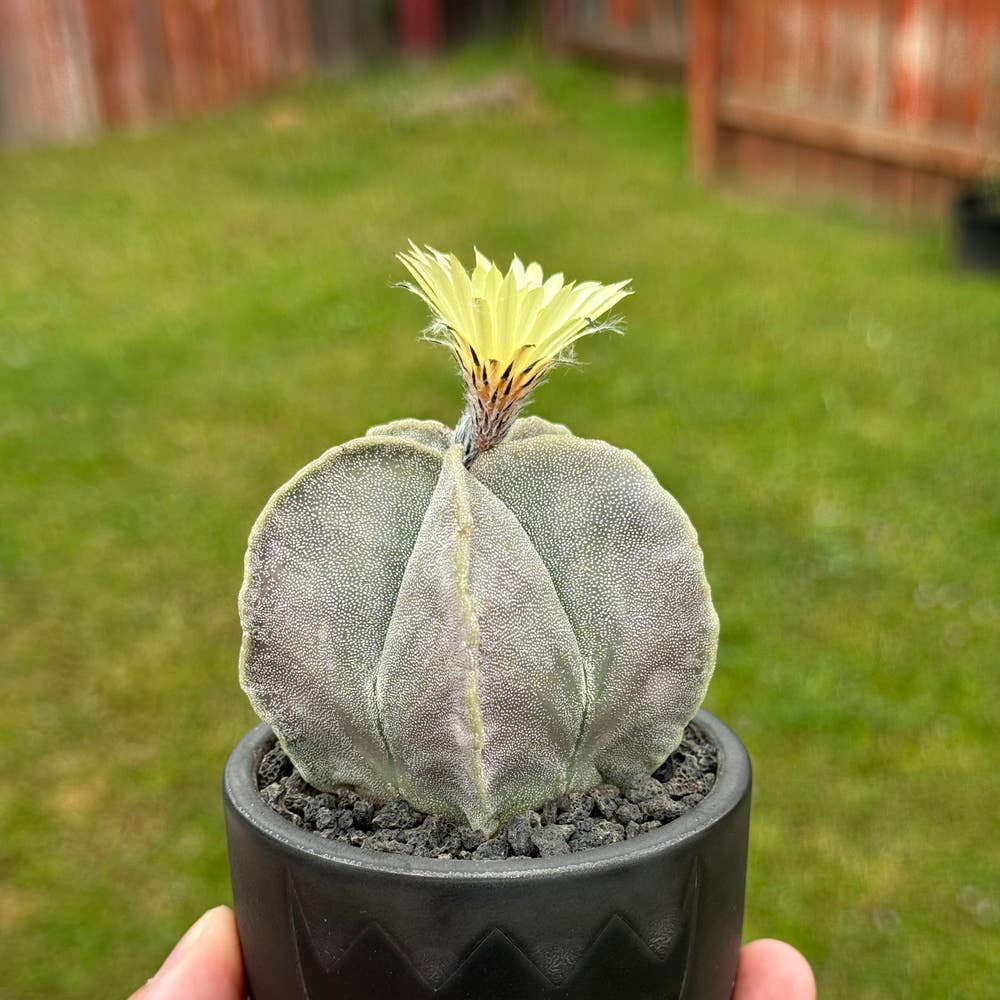
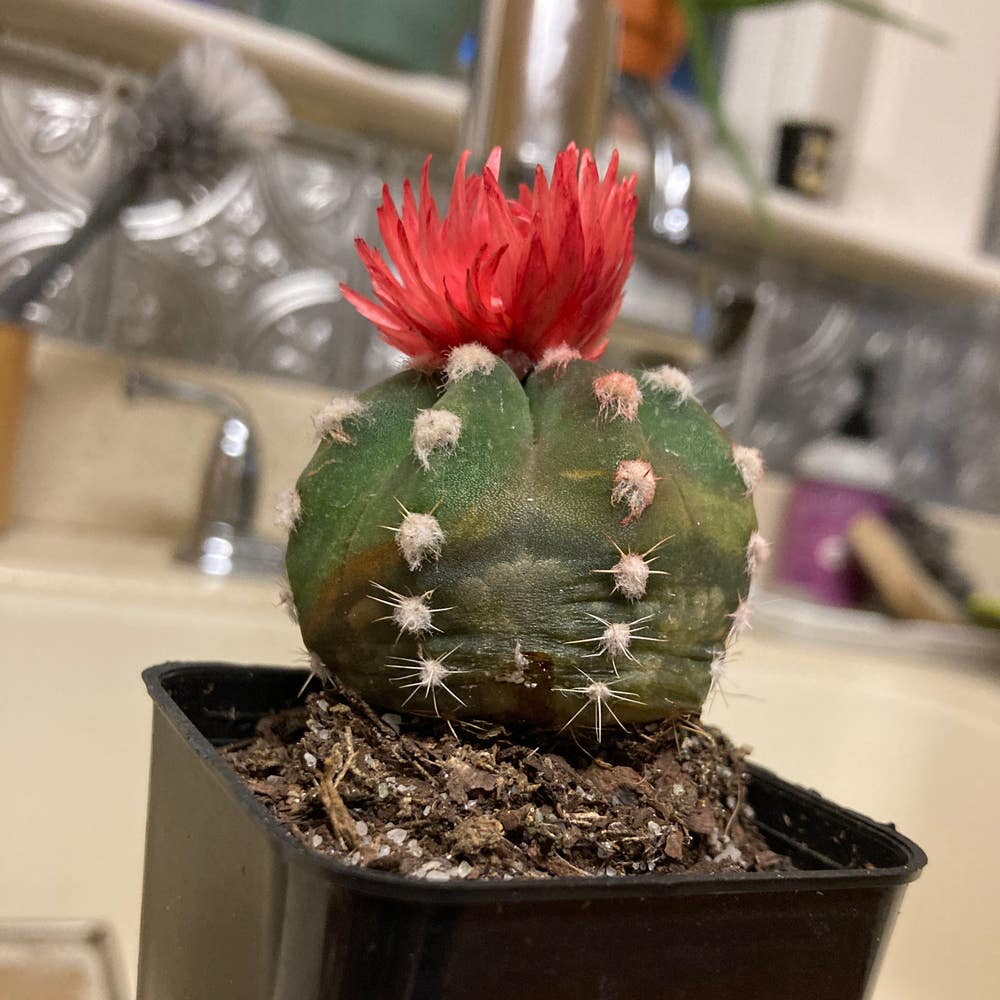
How to Propagate Your Bishop's Cap Cactus
Astrophytum myriostigma
By the Greg Editorial Team
Jun 18, 2024•4 min read
This article was created with the help of AI so we can cover more plants for you. May contain errors. See one? Report it here.
- Three ways to propagate: offsets, stem cuttings, or seeds.
- Bright, indirect light and sparse watering for thriving baby cacti.
- Combat pests and rot with neem oil and proper soil moisture.
Picking Your Propagation Path
🌱 Offsets (Pups) Propagation
Spotting and Snipping
Offsets, affectionately known as pups, are your cactus's gift to the propagation world. Identify these mini versions of the mother plant, which should have their own roots. Use clean, sharp tools to separate them, ensuring minimal harm to both parties.
Rooting for Success
Once separated, allow the offsets to callus over for a few days to prevent rot. Then, plant them in a cactus-friendly potting mix. Water sparingly, keeping the soil slightly moist and never wet.
🌿 Stem Cuttings Propagation
Choosing Champions
Select healthy stem cuttings, making sure each piece includes a node, the potential powerhouse for new roots. Cut with precision and cleanliness to avoid introducing any unwelcome pathogens.
The Rooting Routine
Let the cutting dry and callus, then plant it in well-draining soil. Water it like you're a forgetful gardener; too much attention with the watering can is a recipe for disaster. Bright, indirect light will be your cutting's best friend.
🌵 Seed Propagation
From Tiny Seeds to Tiny Cacti
Collect seeds from the fruit of your Bishop's Cap Cactus, or purchase them if you're not into the whole pollination scene. Sow them on top of a gritty, well-draining mix, barely covering them with soil.
Germination Station
Keep the soil moist but not waterlogged to avoid the dreaded damping off. A warm spot with indirect light is the VIP lounge for your germinating seeds. Patience is key; nature's not rushing this gig.

Baby Steps: Caring for New Propagations
🌞 The Right Light and Cozy Temps
Bright, indirect light is the sweet spot for your baby Bishop's Cap Cactus. Direct sunlight is a definite no-go; it's like a free ticket to sunburn city for these tender tots. Aim for that cozy Mediterranean springtime feel in terms of temperature—warm but not hot. It's all about creating that perfect microclimate where your little greenies can stretch their roots without breaking a sweat.
💃 The Watering Dance
When it comes to watering, think of it as a delicate ballet rather than a rain dance. Start dry, then introduce moisture with the finesse of a misting bottle. As the roots establish, graduate to a shallow watering routine. Your goal is to keep the soil slightly moist, not to recreate the Pacific Ocean. Remember, these cacti babies can't swim!
🐜 Keeping the Bugs at Bay
Pests love fresh green shoots like a cat loves a warm keyboard. Keep a vigilant eye out for any tiny invaders looking to set up camp. Isolation is a good strategy; it's like a quarantine for plants. If you spot trouble, a dab of neem oil can send those pests packing. Think of it as giving your cacti a fighting chance in the wild world of your windowsill.

Propagation Pitfalls: Troubleshooting Common Issues
💀 Root Rot Woes: Prevention and Intervention
Root rot is the grim reaper of the propagation world. If your cactus's roots are turning into a mushy mess, it's time to act. Drainage is your first line of defense—make sure your pots aren't holding water hostage. When watering, think of it as a stealth operation; hit the soil, not the plant. If rot has already set in, perform emergency surgery by cutting off the rotted parts and giving the healthy roots a new, dry home.
💦 Drowning in Love: Addressing Overwatering Early On
Overwatering is like an overbearing hug—it means well but ends up suffocating. To avoid waterlogging your cactus babies, wait for the top inch of soil to dry out before giving them another drink. Moderation is key. If you've been a little too generous with the watering can, let the soil air out and adjust your schedule. Remember, cacti are desert dwellers; they can handle a bit of thirst.
🐜 Pest Patrol: Dealing with Invaders Targeting Your New Plants
Pests are the uninvited guests of the plant world, and they love a good propagation party. Keep an eye out for freeloaders like aphids and spider mites. If you spot these critters, show them the exit with a spritz of insecticidal soap or neem oil. Cleanliness is your ally; keep your tools and pots pristine to prevent pest spread. And don't forget, a healthy plant is less likely to become a pest magnet, so keep those cacti in tip-top shape.

⚠️ Safety First
This content is for general information and may contain errors, omissions, or outdated details. It is not medical, veterinary advice, or an endorsement of therapeutic claims.
Always consult a qualified healthcare professional before using any plant as food, medicine, or supplement.
Never eat any plant (or feed one to pets) without confirming its identity with at least two trusted sources.
If you suspect poisoning, call Poison Control (800) 222-1222, the Pet Poison Helpline (800) 213-6680, or your local emergency service immediately.
Spotted an error? Please report it here.
Ensure your Bishop's Cap Cactus pups thrive by using Greg's 🌵 tailored watering reminders and pest control tips from these propagation methods!