Why Are There Black Spots on My Bishop's Cap Cactus Leaves?
Astrophytum myriostigma
By the Greg Editorial Team
Jun 18, 2024•4 min read
This article was created with the help of AI so we can cover more plants for you. May contain errors. See one? Report it here.
- Fungal infections and sunburn are common causes of black spots on cacti.
- Fungicides and shade help treat and prevent black spots.
- Seek expert advice if spots persist despite home remedies.
Spotting the Culprits: Identifying Causes of Black Spots
🍄 Fungal Foes: Recognizing Signs of Fungal Infections
Fungi are the stealthy invaders of the plant world, often leaving behind their signature: circular brown lesions with yellow halos. These marks are the plant's equivalent of a distress signal. If you spot these, it's time to play fungus detective.
☀️ Sunburn Scars: Understanding Light-Related Black Spots
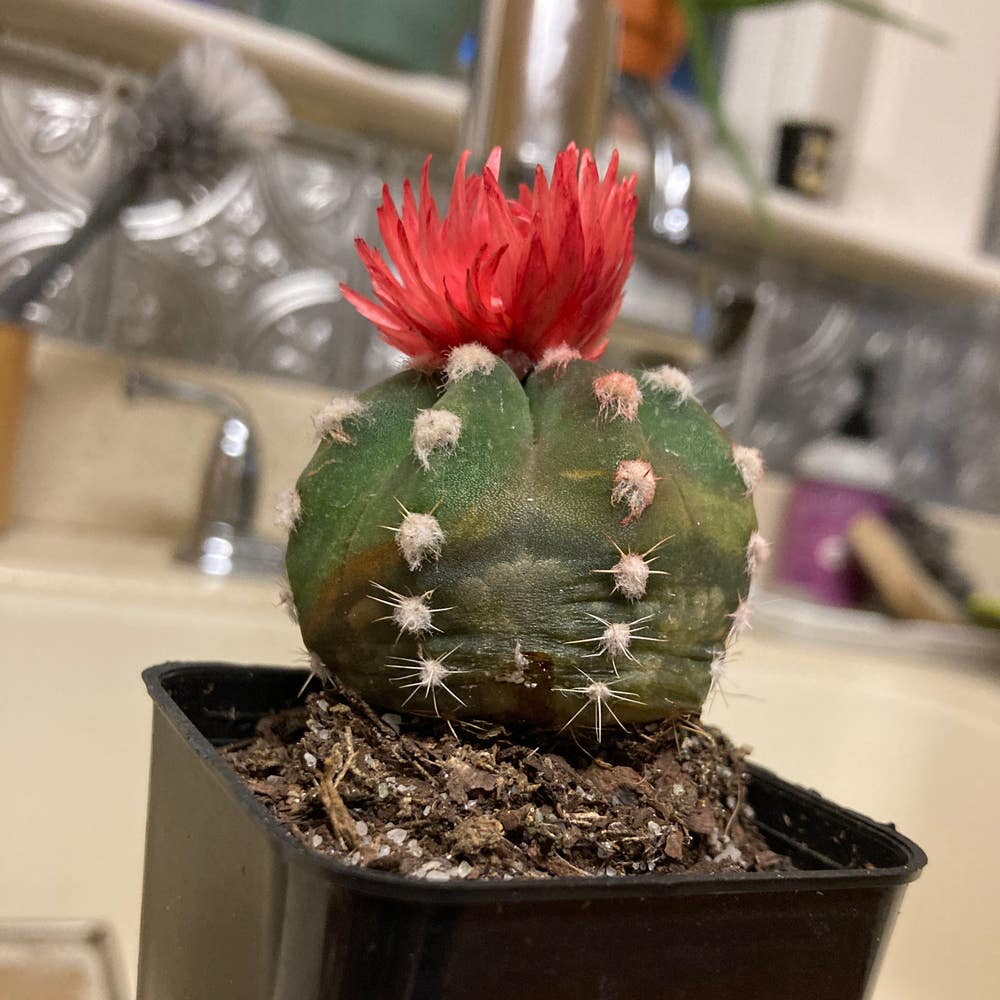
Just like us, cacti can get sunburned. Look for crispy spots on the areas most exposed to the sun. These are the plant's version of a bad tan line, indicating that your Bishop's Cap might need a little less light love.
🩹 Wounds and Bruises: Physical Damage as a Cause
Physical damage can also leave a mark. If the black spots are more like blemishes or bruises, it's likely due to some rough handling or an accidental bump. Be gentle with your green friends; they're more sensitive than they look.

First Aid for Your Cactus: Treating Black Spots
🍄 Battling Fungus: Choosing and Applying Fungicides
When your cactus sports black spots like a Dalmatian, it's time to act fast. Fungus is no joke. Early-stage infections call for protectant fungicides—think Truban or Terrazole. If the fungus has made itself at home, bust out the big guns: systemic fungicides like Aliette or Subdue.
Remember, cacti are desert royalty—they don't do well with wet feet. Cut back on watering to keep the fungal fiesta from raging.
🌞 Healing Sunburn: Adjusting Light Exposure
Sunburn turns your cactus from spiky green to crispy brown. It's a common mistake; you wanted to give it light, but it ended up in the cactus equivalent of a tanning bed gone wrong. Move it to a shadier spot and reintroduce it to sunlight gradually, like a tourist learning their sun tolerance the hard way.
🩹 Caring for Cuts: Treating Physical Damage
Physical damage to your cactus isn't a sign to get crafty with the tape. Clean cuts are essential, and if horror movie vibes start emanating from the wound, it's time to consider amputation. If the blackened area spreads, keep cutting until you hit healthy, green tissue.
And let's not forget: after the surgery, let the cactus's wounds callus over. This is not the time for water or fertilizer—think of it as a cactus sick day. Keep your shears sterile, folks; we're not spreading the love when it comes to infections.

Keeping the Spots at Bay: Prevention Strategies
🌞 Light and Location: Preventing Sunburn-Induced Spots
Bright, indirect sunlight is the sweet spot for your Bishop's Cap Cactus. Too much direct sun can lead to a sunburnt cactus, and nobody wants that. Find a location that's just right, where the sun kisses but doesn't scorch. Rotate your plant regularly to ensure even exposure. It's like giving your cactus a well-rounded diet of light.
🧼 Clean and Quarantine: Reducing Risk of Fungal Infections
Fungi despise dryness and sunlight. Make sure your cactus lives in an environment that's more desert, less rainforest. Cleanliness is next to cactus godliness—keep those tools sterile and your plant's home tidy. If you introduce new plants, quarantine them first. It's like checking for cooties before letting someone join the playground.
🛡️ Gentle Handling: Minimizing Physical Damage
Handle your cactus with the care you'd use with a carton of eggs. Physical damage can lead to unsightly spots, so be gentle when moving or repotting. Think of your cactus as a delicate antique, not a basketball. Any cuts or bruises are open invitations for pathogens, so keep it safe from roughhousing.

When to Seek Professional Help
In the trenches of cactus care, sometimes you hit a wall. If your Bishop's Cap Cactus sports black spots that stubbornly persist despite your best efforts, it's time to tag in the experts.
🚩 Recognizing the Signs
Persistent spots after treatment? If your cactus's condition doesn't improve or worsens, it's a clear signal to seek professional help.
🌱 Expert Intervention
A plant specialist or experienced horticulturist can offer tailored advice. They might suggest lab tests to identify pathogens or provide advanced care recommendations.
⚠️ Safety First
When dealing with potential fungal infections, remember that some treatments can be harmful if misused. Professionals ensure safe and effective use of fungicides.
🌿 Beyond the Obvious
Sometimes, the issue isn't just about the spots. If your cactus shows signs of overall distress, a professional can assess the entire plant's health.
💰 The Bottom Line
Don't let pride or procrastination cost your cactus its life. When in doubt, reach out. Your local nursery, agricultural extension office, or an online plant health forum can be great starting points.
⚠️ Safety First
This content is for general information and may contain errors, omissions, or outdated details. It is not medical, veterinary advice, or an endorsement of therapeutic claims.
Always consult a qualified healthcare professional before using any plant as food, medicine, or supplement.
Never eat any plant (or feed one to pets) without confirming its identity with at least two trusted sources.
If you suspect poisoning, call Poison Control (800) 222-1222, the Pet Poison Helpline (800) 213-6680, or your local emergency service immediately.
Spotted an error? Please report it here.
Banish those pesky black spots 🌵 from your Bishop's Cap Cactus with Greg's tailored care advice, turning plant woes into growing success!