7 Plants That Thrive Alongside Bishop's Cap Cactus 🌵
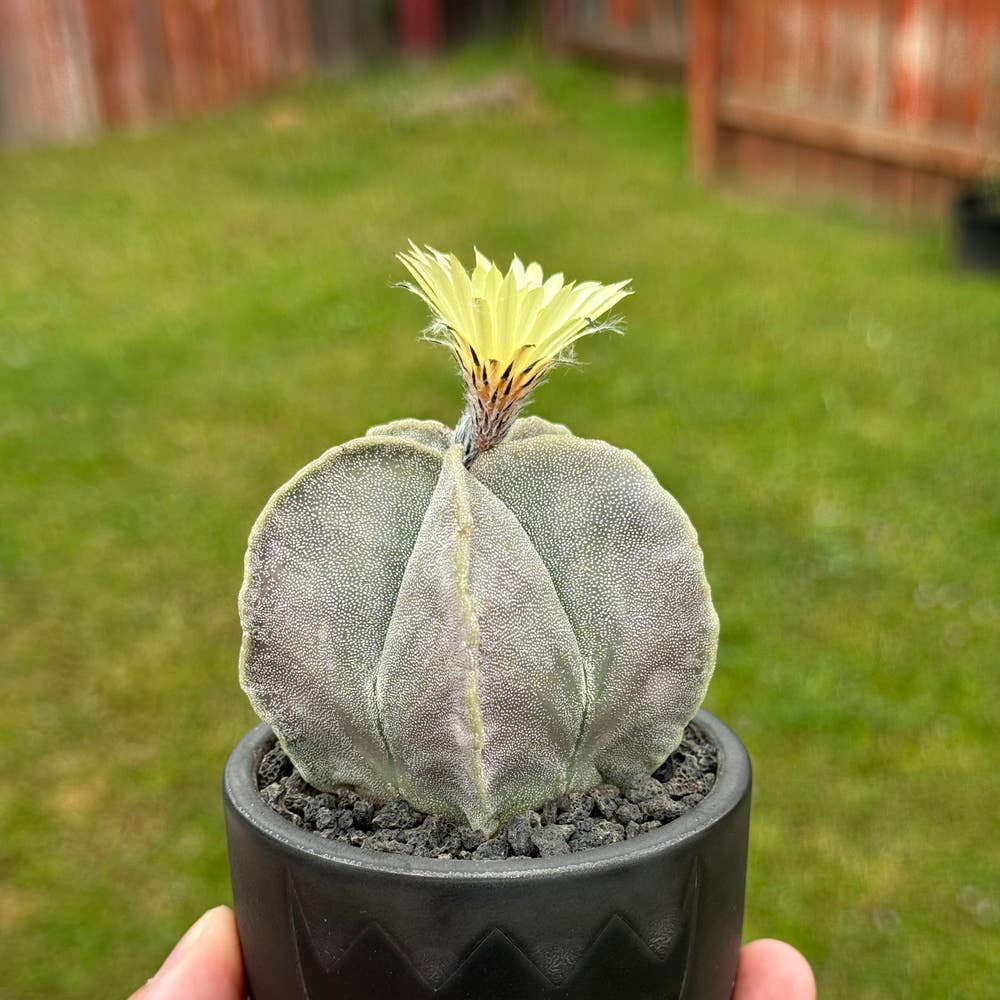
Astrophytum myriostigma
By the Greg Editorial Team
Sep 30, 2024•3 min read
This article was created with the help of AI so we can cover more plants for you. May contain errors. See one? Report it here.
- 🌵 Echinopsis and Aloe Vera thrive alongside Bishop's Cap, sharing care needs and light requirements.
- 🌼 Sedum repels pests while enhancing aesthetics, making it a smart companion choice.
- 💧 Avoid ferns and heavy feeders; they can stress Bishop's Cap with excess moisture and competition.
Best Companion Plants for Bishop's Cap Cactus
🌵 Echinopsis
Echinopsis is a fantastic companion for Bishop's Cap Cactus due to its similar care needs. Both thrive in arid conditions and require well-draining soil, making them a perfect match.
The bright, colorful blooms of Echinopsis beautifully complement the star-shaped Bishop's Cap, adding a vibrant touch to your garden.
🌼 Sedum
Sedum is not just visually appealing; it also has pest-repellent properties. This hardy plant naturally deters pests that could harm your Bishop's Cap.
Additionally, Sedum shares similar drought tolerance and low-maintenance requirements, making it an ideal partner for your cactus.
🌿 Agave
Agave excels in drought tolerance, making it an excellent companion for Bishop's Cap. Its ability to thrive in dry conditions ensures both plants can coexist harmoniously.
The bold structure of Agave enhances the visual appeal of your cactus garden, creating a striking aesthetic.
🌱 Aloe Vera
Aloe Vera prefers bright, indirect sunlight, aligning perfectly with the needs of Bishop's Cap. This similarity in light requirements makes them compatible companions.
Beyond aesthetics, Aloe Vera offers health benefits, adding value to your garden with its medicinal properties.
🌵 Haworthia
Haworthia is a low-maintenance plant that requires minimal attention, making it a great companion for busy gardeners. Its easy care aligns well with the needs of Bishop's Cap.
The unique leaf patterns of Haworthia provide a delightful textural contrast, enriching the visual interest of your garden.
🪨 Lithops
Lithops, often referred to as "living stones," bring a unique appearance to your succulent garden. Their distinctive look adds character alongside the Bishop's Cap.
They also prefer similar well-draining soil conditions, ensuring healthy growth and compatibility with your cactus.
Incorporating these companion plants not only enhances the beauty of your garden but also promotes a thriving ecosystem for your Bishop's Cap Cactus. Next, let’s explore which plants to avoid to ensure your cactus remains healthy and vibrant.
Plants to Avoid Near Bishop's Cap Cactus
🌿 Ferns
Ferns may seem like a lush addition to your garden, but they don't play well with Bishop's Cap Cactus. They thrive on moisture, which can lead to overwatering issues for the cactus, ultimately jeopardizing its health.
🌼 Heavy Feeders
Certain flowering plants, known as heavy feeders, can also be problematic. They compete for nutrients and water, stressing the Bishop's Cap and hindering its growth.
Choosing the right companions is crucial for a thriving garden. By avoiding these incompatible plants, you can ensure your Bishop's Cap Cactus remains healthy and vibrant.
Summary of Companion Planting Benefits
Choosing the right companion plants for your Bishop's Cap Cactus can significantly enhance your garden's health and aesthetics. Compatible plants not only thrive together but also create a visually appealing landscape.
🌱 Companion Planting Benefits
Companion planting promotes a balanced ecosystem. For instance, plants like Sedum can deter pests, protecting your Bishop's Cap from potential harm. This natural pest control reduces the need for chemical interventions, making your garden more sustainable.
💧 Drought-Tolerant Companions
Moreover, selecting drought-tolerant companions, such as Agave and Aloe Vera, ensures that all plants share similar care requirements. This harmony simplifies maintenance, allowing you to enjoy your garden without constant worry.
🎨 Creative Combinations
Exploring diverse plant combinations can also spark creativity in your garden design. By mixing textures and colors, you can create a vibrant, dynamic space that reflects your personal style.
Incorporating thoughtful companion planting strategies not only benefits your Bishop's Cap but also enriches your gardening experience. So, dive into the world of companion planting and discover the joy of cultivating a thriving, diverse garden!
⚠️ Safety First
This content is for general information and may contain errors, omissions, or outdated details. It is not medical, veterinary advice, or an endorsement of therapeutic claims.
Always consult a qualified healthcare professional before using any plant as food, medicine, or supplement.
Never eat any plant (or feed one to pets) without confirming its identity with at least two trusted sources.
If you suspect poisoning, call Poison Control (800) 222-1222, the Pet Poison Helpline (800) 213-6680, or your local emergency service immediately.
Spotted an error? Please report it here.
Create a vibrant garden oasis 🌵 by choosing the right companions for your Bishop's Cap Cactus, and let Greg guide you with tailored care tips to ensure every plant thrives together!