What Do Bishop's Cap Cactus Flowers Mean? ⭐
Astrophytum myriostigma
By the Greg Editorial Team
Jun 18, 2024•4 min read
This article was created with the help of AI so we can cover more plants for you. May contain errors. See one? Report it here.
- 🌵 Symbolizes purity, grace, resilience, reflecting cultural and spiritual significance.
- 🌺 Blooms in succession for an extended beauty showcase.
- 🌞🌱 Temperature, soil, water, and nutrients trigger vibrant blooms.
Decoding the Flower's Message
🌵 Cultural and Symbolic Significance
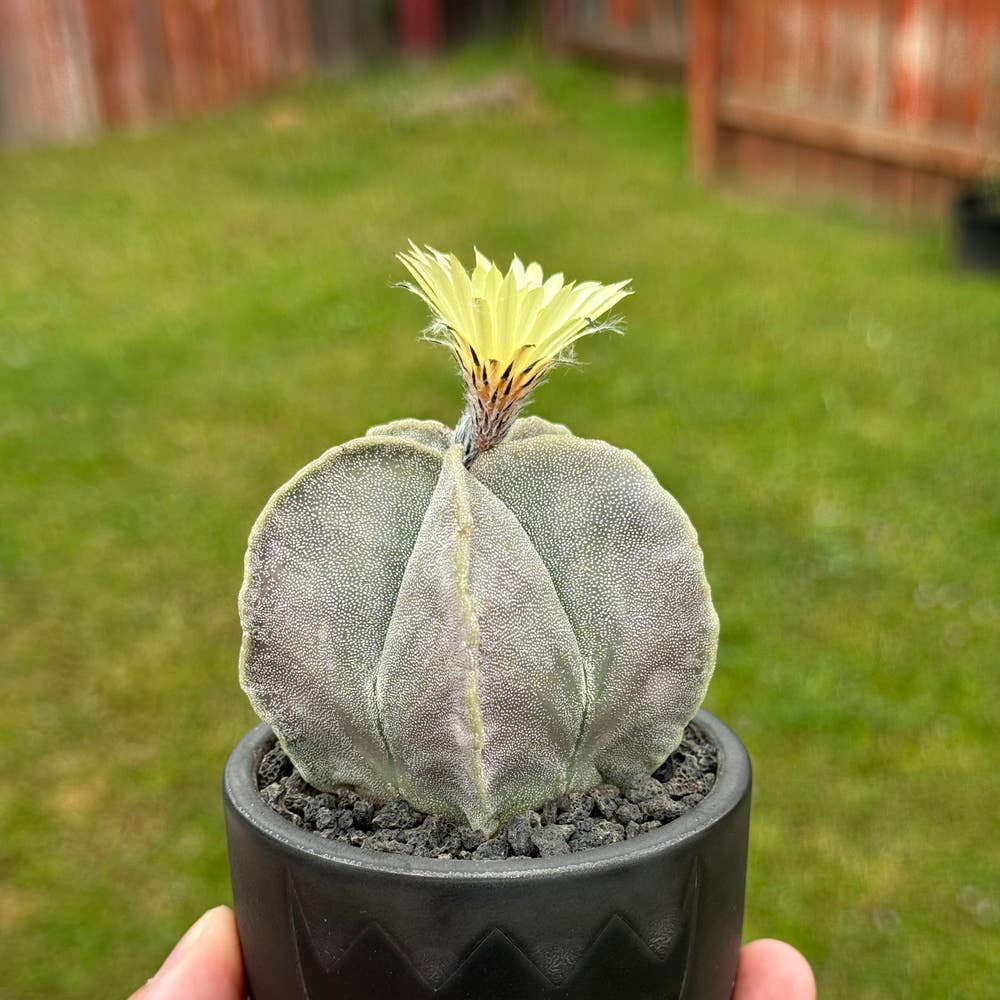
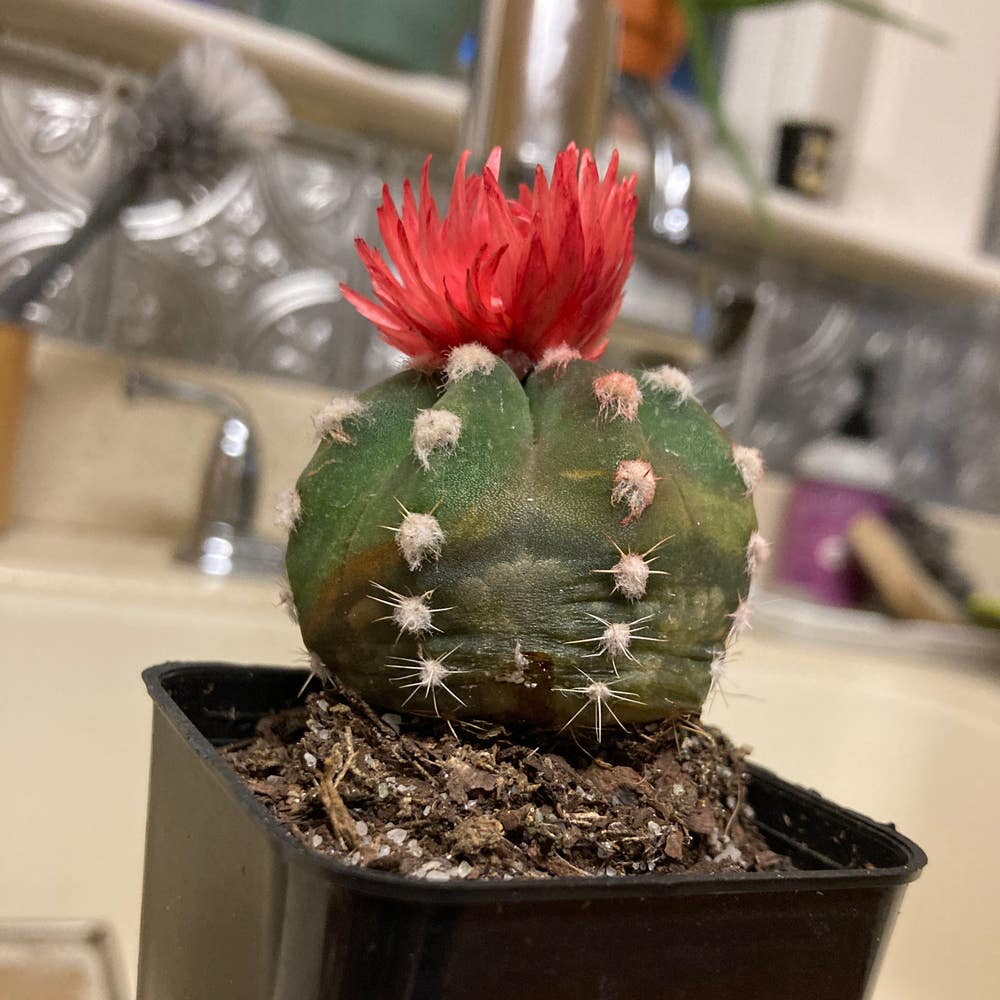
The Bishop's Cap Cactus flowers are not just a visual treat; they're loaded with meaning. These daisy-like blooms, yellow with a red to orange center, are a rarity in the cactus world, each lasting a mere couple of days. Yet, they bloom in succession, offering an extended showcase of beauty. The plant's white hairy scales, reminiscent of a bishop's mitre, give it its name and a nod to its religious symbolism.
🙏 Spiritual and Religious Connections
In the realm of spirituality, the Bishop's Cap Cactus flower is more than its delicate fragrance. It's a symbol of purity and grace, akin to the Cape Jasmine in Chinese culture. While not as directly tied to specific religious ceremonies as the cresta de Gallo in Mexico, it's a living testament to resilience and adaptation. The cactus blooms are a celebration of life's tenacity, echoing sentiments of warmth and protection often associated with cactus flowers in various cultures. In essence, when the Bishop's Cap Cactus flowers, it's not just blooming; it's conveying a message of endurance and serenity.

The Blooming Phenomenon
⏰ Timing the Show: When Do They Bloom?
Bishop's Cap Cactus, or Astrophytum myriostigma, graces us with daisy-like flowers that are yellow with a red to orange center. Mature plants typically enter the blooming stage, with each flower lasting a mere couple of days. However, they bloom in succession, often creating an extended floral display. The blooming season isn't set in stone but expect a show when conditions mimic their native habitat.
🌵 Environmental Triggers for Flowering
To coax Bishop's Cap into blooming, environmental cues are key. They thrive with a low-nitrogen diet in the growing months of spring and summer. It's not just about feeding; it's about recreating a slice of their natural desert conditions. Temperature fluctuations, particularly cooler nights after hot days, act as a green light for flowering. Consistent care, avoiding extremes, sets the stage for those coveted blooms.

Nurturing for Vibrant Blooms
💧 Soil and Water: The Foundation of Flowering
Well-draining soil is non-negotiable for the Bishop's Cap Cactus. Imagine a mix that's the botanical equivalent of a breathable cotton tee – it's all about comfort for those roots. Perlite or coarse sand should be your go-to additives, ensuring that excess water can make a quick getaway.
Watering is a bit of an art form. You're aiming for the Goldilocks zone – not too soggy, not too parched. Deep watering is your best bet, encouraging roots to stretch and strengthen. But remember, the frequency is seasonal; more in the summer, less when it's cooler.
🌼 Feeding the Bloom: Fertilization Tips
Nutrients are like a cactus's personal trainer, and balance is key. A balanced fertilizer (think equal parts nitrogen, phosphorus, and potassium) is your ticket to vibrant blooms. But don't get heavy-handed – over-fertilization is the fast track to all leaves, no flowers.
Organic options like compost or fish emulsion can be your secret weapon. They're like a slow-release energy drink for your cactus, providing a steady flow of nutrients. And for the love of greenery, avoid turning your cactus into a nitrogen junkie – too much, and you'll be the proud owner of a lush, bloomless plant.

Cultivation Secrets for Maximum Blooms
🌱 Pruning for Potency
Pruning your Bishop's Cap Cactus isn't just about playing barber; it's about strategic snipping for maximum flowering. Timing is everything—prune after blooming to avoid a floral fiasco. Aim for a trim that boosts air circulation and light exposure, giving your cactus the equivalent of a plant's day in the sun.
🌵 The Impact of Repotting
Repotting is like a cactus's version of moving to the suburbs for more space. Do it when your plant seems cramped, but don't go overboard—cozy is key. A new pot means fresh soil and a chance for roots to spread, signaling your cactus to get its bloom on. Remember, a stressed cactus is a blooming cactus, so mimic those desert nights for a flower show that's worth the wait.
⚠️ Safety First
This content is for general information and may contain errors, omissions, or outdated details. It is not medical, veterinary advice, or an endorsement of therapeutic claims.
Always consult a qualified healthcare professional before using any plant as food, medicine, or supplement.
Never eat any plant (or feed one to pets) without confirming its identity with at least two trusted sources.
If you suspect poisoning, call Poison Control (800) 222-1222, the Pet Poison Helpline (800) 213-6680, or your local emergency service immediately.
Spotted an error? Please report it here.
Embrace the symbolism 🌵 of Bishop's Cap Cactus flowers with Greg's tailored care reminders, ensuring your cactus blooms with purity, grace, and resilience.