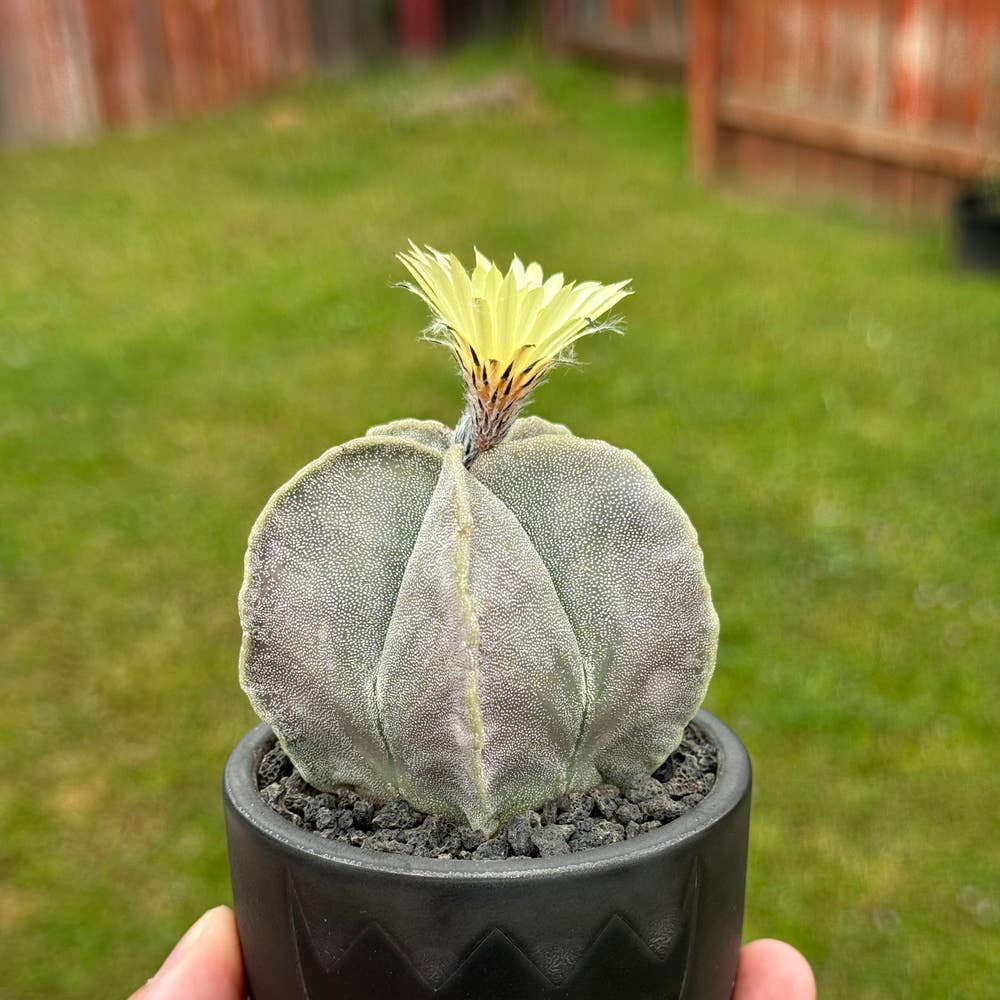
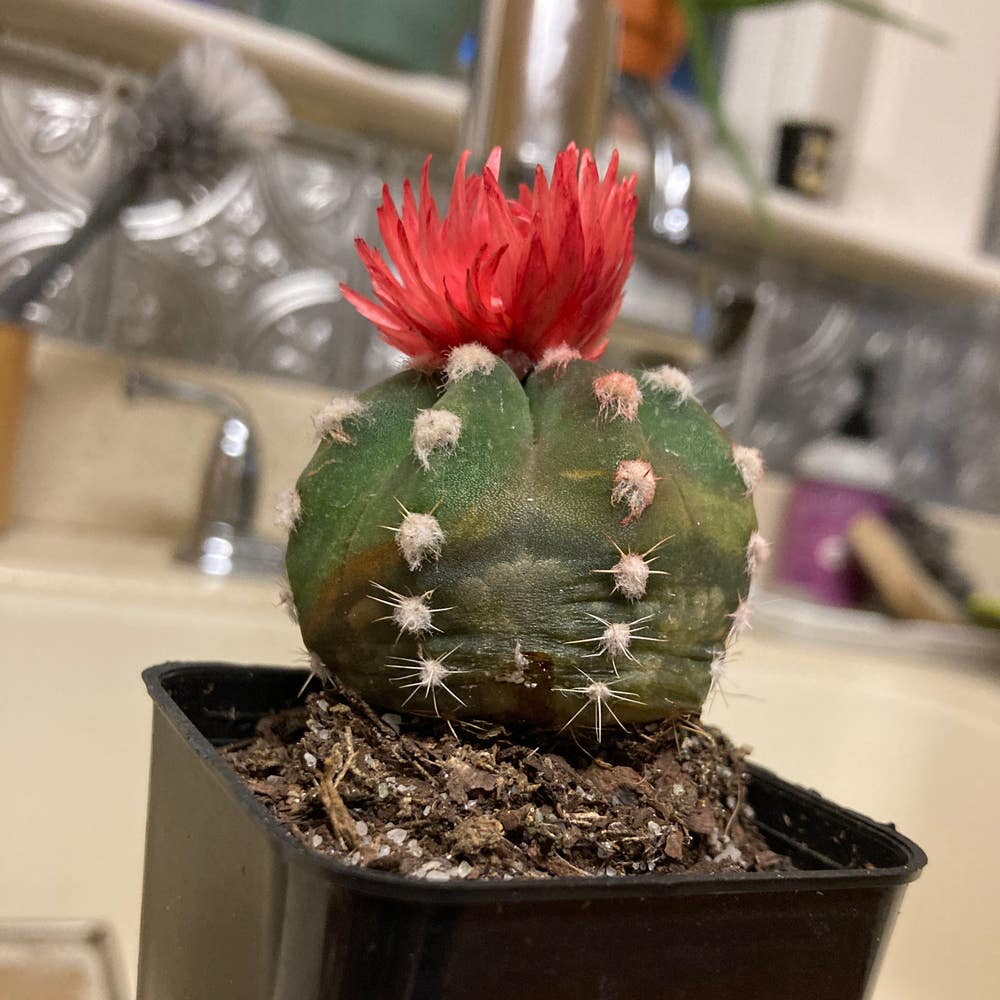
🌵 Why Is My Bishop's Cap Cactus Dropping Leaves?
Astrophytum myriostigma
By the Greg Editorial Team
Jun 18, 2024•4 min read
This article was created with the help of AI so we can cover more plants for you. May contain errors. See one? Report it here.
- 🌵 Overwatering and underwatering can both cause leaf drop; balance is crucial.
- Stable environment with consistent light and temperature prevents stress-related leaf loss.
- Monitor for pests and diseases, and adjust care to mimic the cactus's natural habitat.
When Water Works Against You
🌧️ Too Much Love: Overwatering Woes
Yellowing leaves and a musty odor are distress signals from your Bishop's Cap Cactus, hinting at overwatering. The plumpness that might seem healthy is actually a cactus crying for help. If the soil feels like a wet sponge, it's time to back off the watering.
To dry out an overwatered cactus, first let the soil become as dry as a desert dune. If the roots are more slimy than a slug, consider repotting into fresh, dry soil to prevent the spread of root rot.
🏜️ Thirsty Spikes: The Underwatering Conundrum
A parched cactus will have wrinkled leaves and an overall shriveled appearance, signaling a desperate need for water. The soil should be as dry as a bone before you even think about watering.
When quenching your cactus's thirst, do so gradually. Water should be given like a rare rain shower, not a flood. Ensure the soil is moist like a day-old cake, not soaked through. This will help avoid drowning the roots in your quest to hydrate.

It's Not You, It's the Environment
🌡️ Too Hot to Handle or Too Cold to Hold
Temperature swings are the arch-nemesis of the Bishop's Cap Cactus. Wilting or discoloration? It's your cactus crying out for a stable climate. Keep it out of direct, scorching sunlight—think shade cloth, not suntan. And when Jack Frost is nipping, a cozy indoor spot or a heat mat might just be the hero your cactus needs.
🌞 Light and Shade: Finding the Sweet Spot
Your cactus's leaves dropping could be a light issue SOS. Too much sun and your cactus is a crispy critter; too little, and it's stretching out like a cat on a windowsill. Aim for bright, indirect light. It's like a dance floor with the perfect music—your cactus will want to stay all night. Keep it consistent, because your cactus isn't a fan of change. It's more homebody than nomad.

Bug Off! Tackling Pest and Disease Nightmares
🐛 Unwanted Guests: Keeping Pests at Bay
Cactoblastis cactorum, the cactus moth, is a notorious invader, especially in the southeastern US. These moths lay eggs on cacti, and the hatching larvae burrow in, causing damage. Preventive measures include checking for and removing egg sticks manually.
Cactus coreids, or Chelinidea vittiger, are true bugs that suck the life out of your cactus. They cause yellowing and necrosis. To combat them, isolate the affected plant and consider using a 70% isopropyl alcohol solution for spot treatments.
Mealybugs and spider mites are the vampires of the cactus world, draining plant juices and leaving your cactus weak. They're often accompanied by ants that farm them for honeydew. Natural predators like ladybugs can be your allies here, and in severe cases, systemic insecticides may be necessary.
Scale insects are another common pest, leaving behind sticky honeydew and sooty mold. Quarantine new plants to prevent an infestation, and if scale is spotted, remove them with a soft brush dipped in alcohol.
🍄 Fungal Foes and Disease Dilemmas
Fungal diseases often follow pest problems or overwatering. Signs of fungal distress include soft, mushy areas or black spots on the cactus. If you spot these, reduce watering immediately and improve air circulation around your plant.
Root rot can occur if a cactus sits in wet soil for too long. This is a serious condition that may require you to remove the affected parts and repot the cactus in fresh, dry soil.
Proactive monitoring is crucial. Regularly inspect your cactus for unusual signs and act quickly if you spot trouble. Remember, a healthy cactus is more resistant to pests and diseases, so keep its environment optimal with the right balance of light, water, and airflow.

The Recovery Room: Bringing Your Cactus Back to Life
💧 Watering Wisdom: Resuscitating Without Overdoing It
Watering a cactus isn't rocket science, but it's close. Start slow; let the soil dry out between waterings to avoid root rot. Use room temperature water to avoid shocking your spiky friend. Remember, a cactus is more camel than fish—it stores water in its trunk, so when you do water, make it count.
🗝 Consistency is Key: Stabilizing Your Cactus's World
Stability is the name of the game. Adjust your care routine to mimic the cactus's natural habitat. That means not just watering, but also considering light, temperature, and soil. Keep an eye out for signs of recovery like a firm stem. And hey, don't forget to whisper some words of encouragement to your prickly pal.
⚠️ Safety First
This content is for general information and may contain errors, omissions, or outdated details. It is not medical, veterinary advice, or an endorsement of therapeutic claims.
Always consult a qualified healthcare professional before using any plant as food, medicine, or supplement.
Never eat any plant (or feed one to pets) without confirming its identity with at least two trusted sources.
If you suspect poisoning, call Poison Control (800) 222-1222, the Pet Poison Helpline (800) 213-6680, or your local emergency service immediately.
Spotted an error? Please report it here.
Keep your Bishop's Cap Cactus thriving 🌵 with Greg's personalized care reminders, ensuring perfect watering and light to stop leaf drop in its tracks!