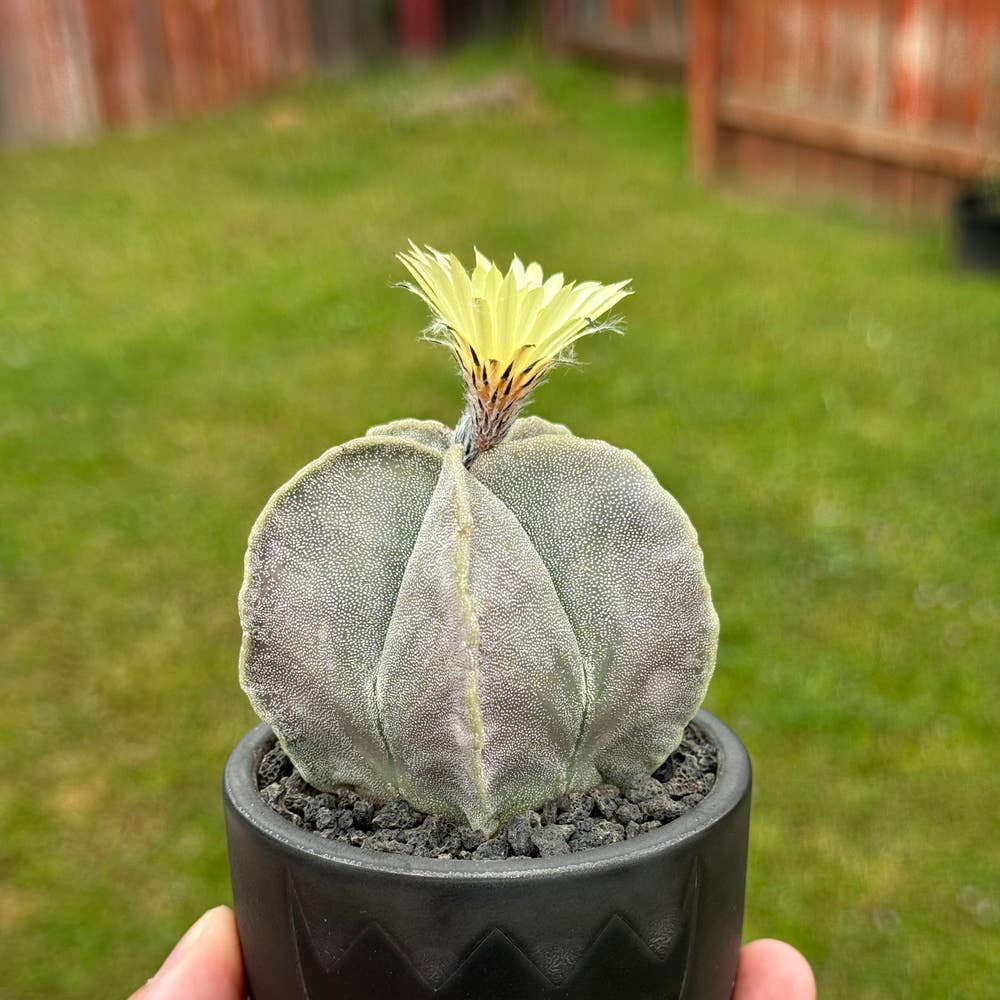
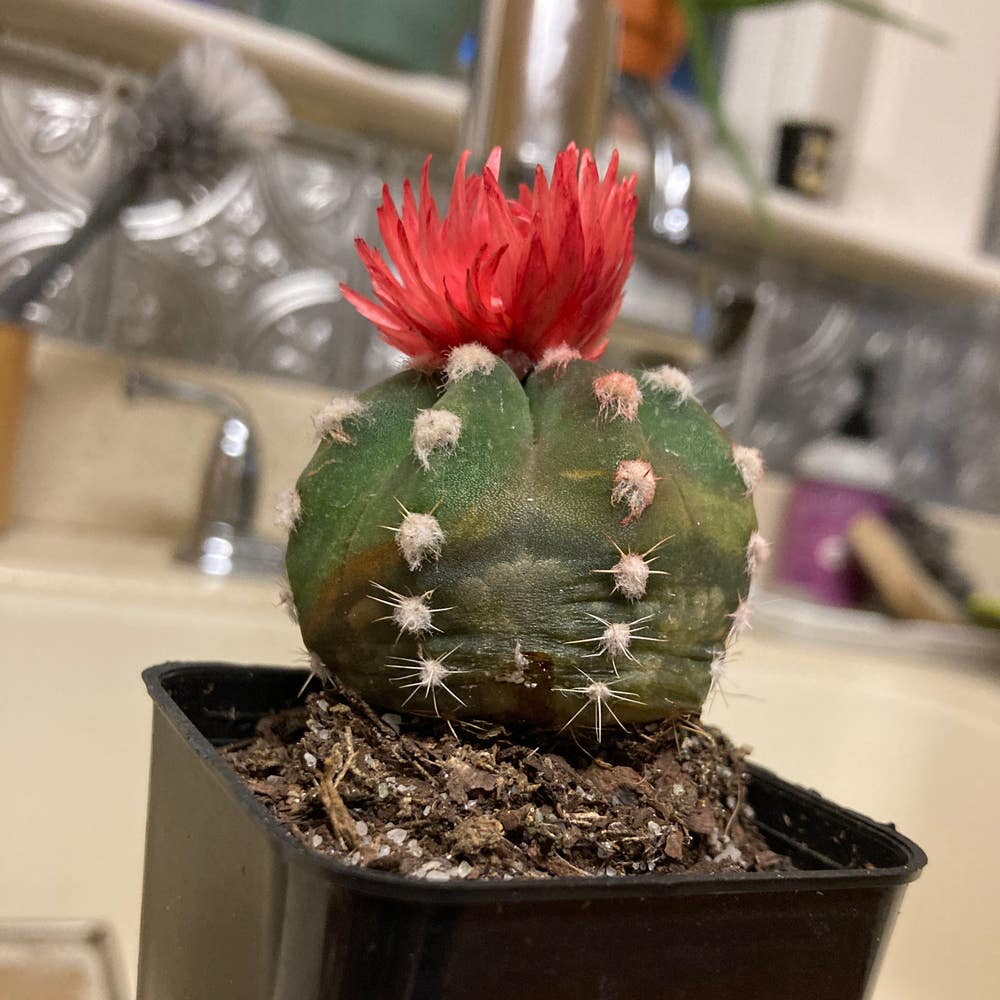
Why Does My Bishop's Cap Cactus Have Yellow Leaves?
Astrophytum myriostigma
By the Greg Editorial Team
Jun 18, 2024•4 min read
This article was created with the help of AI so we can cover more plants for you. May contain errors. See one? Report it here.
- 🌵 Over/underwatering and sunburn can cause yellow leaves on Bishop's Cap Cactus.
- 🐛 Pests and diseases may also lead to yellowing; treat with neem oil or soap.
- 💧🌞 Adjust water and light, consider repotting with well-draining soil for recovery.
Pinpointing the Culprits Behind Yellow Leaves
🌵 Overwatering vs. Underwatering
Overwatering can turn your Bishop's Cap Cactus into a waterlogged mess. Look for yellow, swollen pads that might burst at a poke. Underwatering, on the other hand, leaves your cactus looking wrinkled and thirsty. The soil will be as dry as a desert, and the plant may drop pads faster than a tree sheds leaves in fall.
☀️ Sunburn: When Your Cactus Gets Too Much Sun
Too much sun can give your cactus a nasty sunburn. If the pads are turning a yellowish hue, it's time to dial back on the solar love. Move your cactus to a spot where it can enjoy the sun without getting scorched. Think of it as putting your cactus under a parasol at the beach.
🐜 Pests and Diseases: Unwanted Guests
Pests like aphids and mealybugs are the vampires of the cactus world, leaving behind yellowing leaves as they drain the life out of your plant. Diseases, on the other hand, show up as soggy spots with a yellow halo. It's time to play plant doctor and prescribe the right treatment to get your cactus back to its vibrant self.

Turning Things Around: Remedial Actions
💧 Watering Wisdom: Finding the Sweet Spot
Watering your Bishop's Cap Cactus correctly is crucial to its comeback. Over-watering leads to root rot, while under-watering leaves it parched. Check the soil's moisture by sticking your finger in; if the top inch is dry, it's time to water. If it's damp, give it a breather. Small, consistent amounts of water are better than a flood; think of it as a steady drip-feed rather than a deluge.
☀️ Light and Shade: Protecting Your Cactus
Your cactus craves that Goldilocks zone of light—not too much, not too little. Too much sun and it's sunburn city; too little and it's a one-way ticket to Dullsville. Aim for bright, indirect light. If you notice yellowing, adjust the plant's position. It might just be throwing shade at your current lighting setup.
🐜 Combat Strategies: Pest and Disease Eradication
Pests and diseases are party crashers for your cactus. Neem oil or insecticidal soap can be your bouncers, showing these pests the door. Keep an eye out for any signs of infestation or sickness. If you spot trouble, don't dilly-dally—act fast. It's like being a cactus superhero, armed with the right tools and quick reflexes.

When to Consider Repotting
Assessing the Need for a New Home
Repotting your Bishop's Cap Cactus isn't just about upgrading its digs; it's a vital refresh for continued health. Roots peeking out of drainage holes or circling the surface are your cactus crying out for more space. If the soil has turned into a barren wasteland or it's been a hot minute (think years) since the last pot switcheroo, it's time to act.
🌱 Step-by-step guide to repotting without causing shock
Choose the Right Pot
Don't get pot-happy; a mansion-sized upgrade can drown your cactus in excess soil and moisture. Aim for a pot one to two sizes larger—just enough room to prevent a root rebellion.
The Perfect Soil Mix
Your cactus isn't craving a soil revolution. Match the new mix to the old as closely as possible. Think well-draining soil with a sprinkle of perlite and organic matter to keep those roots breathing easy.
Gentle Root Handling
Roots are the lifeline of your cactus. Treat them with kid gloves, teasing them out gently. If you spot any dead or decaying bits, snip them off. It's like trimming split ends—necessary upkeep for growth.
Watering Post-Repot
After the move, give your cactus a deep but restrained drink. You're aiming for a spa day, not a pool party. Overwatering is the fast track to root rot city.
Timing is Key
Spring or summer is the repotting sweet spot, when your cactus is in growth mode and can bounce back like a champ from any transplant trauma. Avoid repotting when it's about to bloom—nobody likes moving house during a celebration.

⚠️ Safety First
This content is for general information and may contain errors, omissions, or outdated details. It is not medical, veterinary advice, or an endorsement of therapeutic claims.
Always consult a qualified healthcare professional before using any plant as food, medicine, or supplement.
Never eat any plant (or feed one to pets) without confirming its identity with at least two trusted sources.
If you suspect poisoning, call Poison Control (800) 222-1222, the Pet Poison Helpline (800) 213-6680, or your local emergency service immediately.
Spotted an error? Please report it here.
Prevent overwatering and underwatering mishaps that lead to yellow leaves by relying on Greg's custom watering plans 🌵, ensuring your Bishop's Cap Cactus stays vibrantly green and healthy.