🌵 Growth Rate of Bishop's Cap Cactus
Astrophytum myriostigma
By the Greg Editorial Team
Sep 30, 2024•3 min read
This article was created with the help of AI so we can cover more plants for you. May contain errors. See one? Report it here.
- 🌡️ Optimal germination temperature for Bishop's Cap Cactus is 70°F to 85°F (21°C to 29°C).
- 🌱 Germination takes 2-4 weeks; ensure well-draining soil and stable moisture.
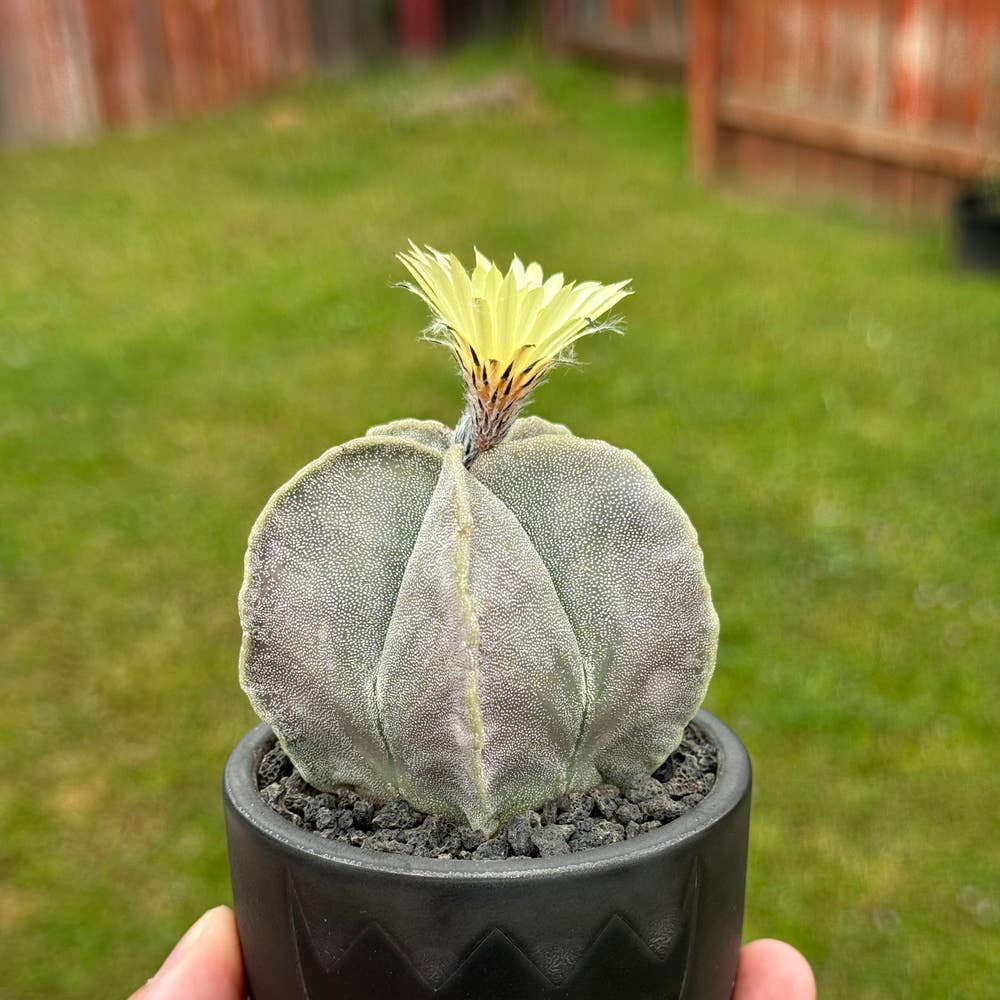
- 🌼 Mature cacti bloom in late spring, with flowers up to 5 inches wide.
Life Cycle Stages
🌱 Germination Stage
Conditions for Germination
To kick off the life of a Bishop's Cap Cactus, the right conditions are crucial. Aim for an optimal temperature range of 70°F to 85°F (21°C to 29°C), using a well-draining cactus mix or sandy soil for planting.
Light exposure is also key; provide indirect sunlight or partial shade to help those seeds thrive.
Duration of Germination
Typically, germination takes about 2-4 weeks. However, factors like moisture levels and temperature stability can speed up or slow down this process.
🌿 Seedling Stage
Characteristics of Seedlings
Once germination is successful, you'll see seedlings that are usually 1-2 inches tall. These small, star-shaped wonders start off light green and gradually transition to a darker green as they mature.
Duration of Seedling Growth
The seedling stage lasts between 6 months to 1 year before the cactus moves into vegetative growth. During this time, regular watering is essential, but make sure to let the soil dry out between waterings, and continue providing indirect sunlight.
🌵 Vegetative Growth Stage
Growth Patterns and Changes
As the cactus enters the vegetative growth stage, expect it to grow 12-18 inches over several years. This is when it starts developing prominent ribs and spines, usually within the first year.
Interestingly, the cactus doesn’t have traditional leaves; instead, it photosynthesizes through its stem.
Duration of Vegetative Growth
This stage can last anywhere from 2 to 5 years, depending on environmental conditions. Factors like soil quality, watering frequency, and light exposure significantly influence growth rates.
🌸 Flowering and Seed Production Stage
Flower Characteristics and Timing
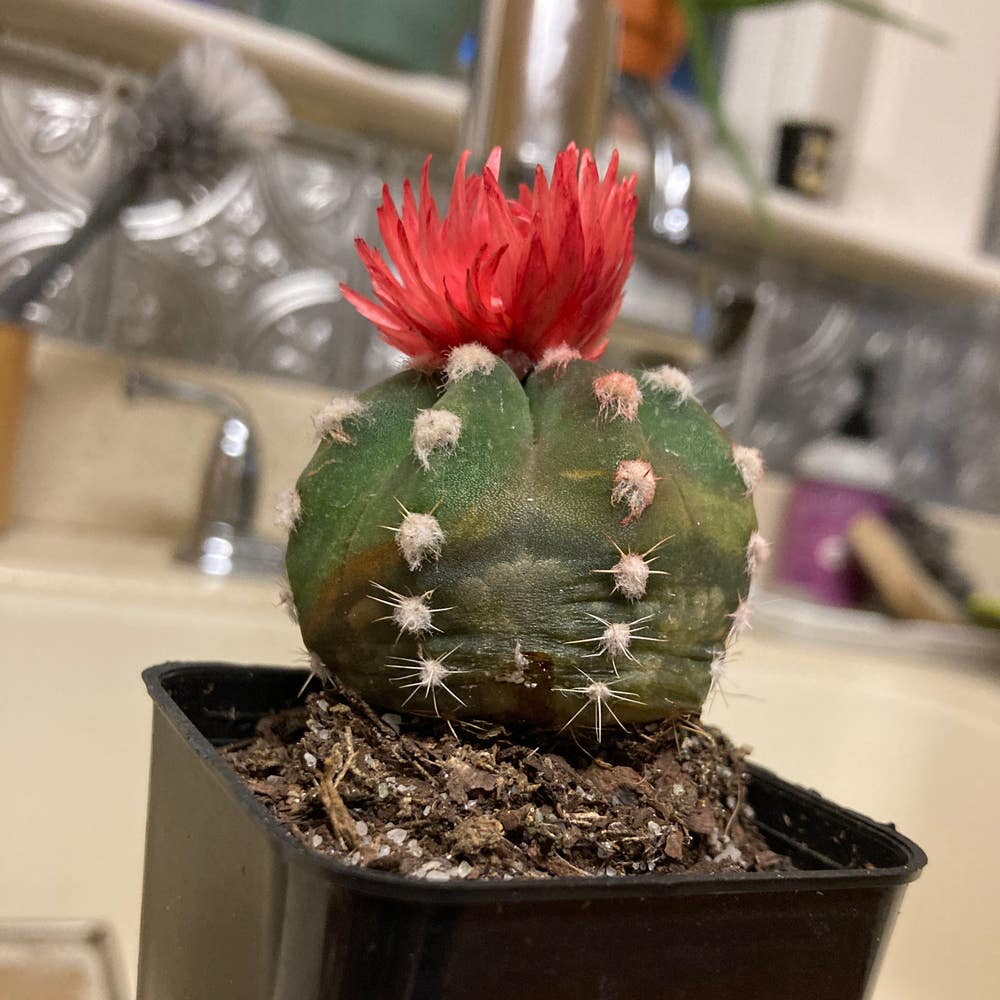
When the cactus blooms, you can expect flowers that reach up to 5 inches in diameter. Typically white or pale yellow, these flowers bloom at night and usually appear in late spring to early summer, lasting just 1-2 nights.
Pollination and Fertilization Process
Pollination is primarily done by nocturnal insects, such as moths. Fertilization occurs shortly after blooming, setting the stage for seed development.
Seed Development and Dispersal
Seed formation takes place within 2-3 months post-pollination. The seeds are small, brown, and flat, capable of being dispersed by wind or animals.
Duration of Seed Production
The seed maturation process lasts about 1-2 months. Interestingly, seeds can remain dormant for several years if conditions are right.
⏳ Growth Rate and Lifespan
Timeframe for Full Maturity
Expect the Bishop's Cap Cactus to reach full maturity in approximately 5-10 years. Environmental conditions and care practices play a significant role in this timeframe.
Overall Lifespan of the Plant
Under optimal conditions, the average lifespan of this cactus ranges from 20 to 50 years. Lifespan can vary based on care, environment, and disease resistance.
🔄 Notable Changes Throughout Life Cycle
Physical Changes During Each Growth Stage
Throughout its life cycle, the cactus undergoes notable physical changes. During germination, the first true leaves, known as areoles, emerge.
In the seedling stage, spines and ribbing begin to develop, while the vegetative stage sees increased height and girth, culminating in a mature cactus appearance.
When flowering occurs, large, showy flowers make their debut, followed by seed production, where seed pods form and eventually disperse.
Environmental Adaptations
Bishop's Cap Cactus is well-adapted to its environment. It showcases drought resistance by storing water in its stem tissues and can tolerate extreme temperatures.
Changes in Care Needs as the Plant Matures
As the cactus matures, its care needs evolve. Watering frequency decreases, and fertilization may be needed less often. Additionally, light requirements may need adjustments based on the growth stage and size.
This fascinating journey through the life cycle of the Bishop's Cap Cactus highlights its resilience and adaptability, setting the stage for its continued growth and beauty.
⚠️ Safety First
This content is for general information and may contain errors, omissions, or outdated details. It is not medical, veterinary advice, or an endorsement of therapeutic claims.
Always consult a qualified healthcare professional before using any plant as food, medicine, or supplement.
Never eat any plant (or feed one to pets) without confirming its identity with at least two trusted sources.
If you suspect poisoning, call Poison Control (800) 222-1222, the Pet Poison Helpline (800) 213-6680, or your local emergency service immediately.
Spotted an error? Please report it here.
Nurture your Bishop's Cap Cactus to thrive beautifully 🌵 with Greg's personalized care tips and watering reminders that adapt as your plant grows!