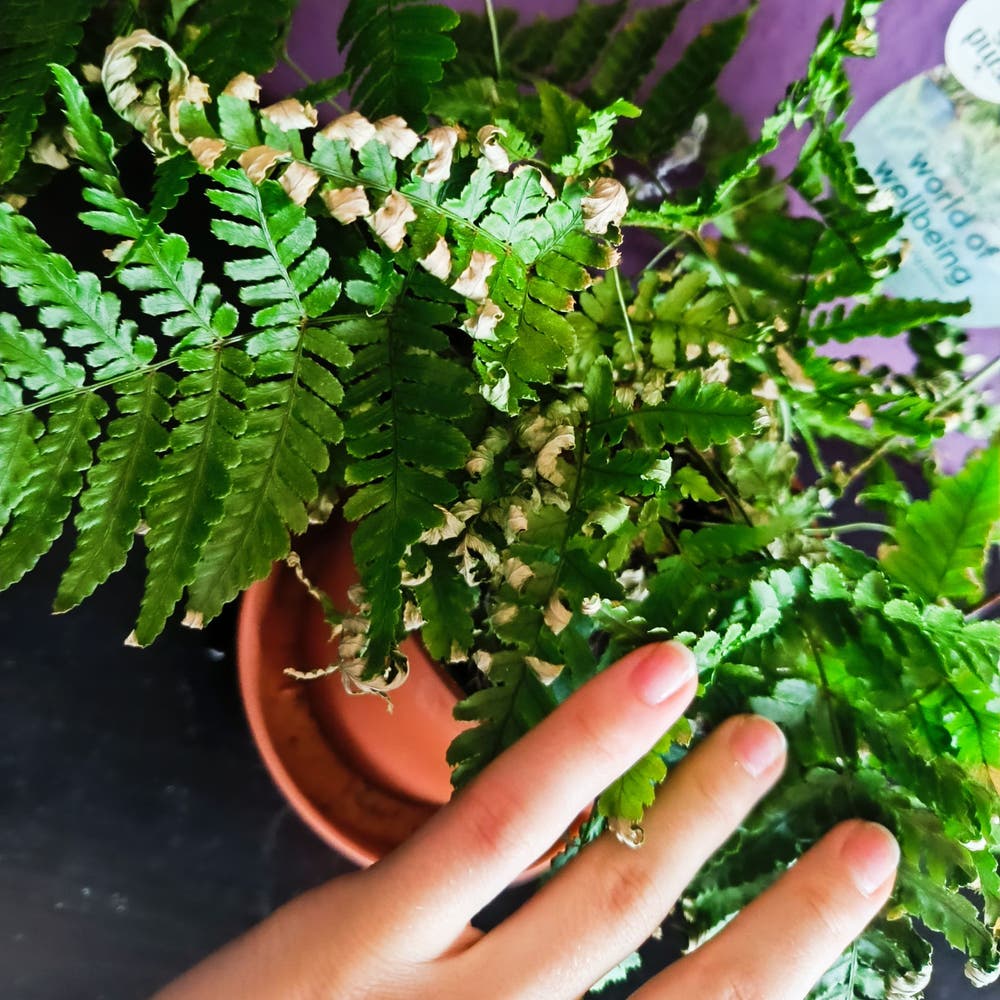
Propagating Leatherleaf Fern: Step-by-Step Guide
Rumohra adiantiformis
By the Greg Editorial Team
Jun 15, 2024•6 min read
This article was created with the help of AI so we can cover more plants for you. May contain errors. See one? Report it here.
- Spore readiness is key: Harvest when spore dust spills out.
- Sterilize for success: Prevent microbes during spore and division propagation.
- Patience pays off: Careful attention needed for germination and growth.
Step-by-Step Guide to Spore Propagation
🌿 Preparing Spores for Sowing
To kick things off, harvest spores from your Leatherleaf Fern when they're dustier than an old attic—typically at the tail end of summer. Look for the sorus to be spilling out that precious spore dust. If they're clammed up tighter than a bank vault, they're not ready for prime time.
Sterilize your tools—yes, even that old butter knife you're repurposing. A quick dance under hot water and a swab with alcohol keeps unwanted microbes from crashing your spore party.
🌱 Creating the Right Environment for Spore Germination
Now, let's play Goldilocks and get that environment just right. Lay down a peat-free compost bed in a tray—no need to pile it on, a shallow 1-2cm will do. Water from below to keep the spores from going on an unintended journey.
Once your spores are sprinkled on like fairy dust, cover them with a clear lid or plastic wrap. Think of it as a mini greenhouse, maintaining a humid atmosphere without turning it into a sauna.
Keep your burgeoning fern nursery in a spot that's more shaded than a celebrity's sunglasses. Patience is key—some ferns might sprout faster than you can say "photosynthesis," while others take their sweet time. Keep an eye out for the green fuzz of the prothallus stage, it's a sure sign your spores are on the right track.

Division Propagation Technique
🌱 Identifying and Separating the Rhizome
Spotting the right section of a Leatherleaf Fern's rhizome for division is a bit like finding the perfect avocado at the market—firm yet yielding. Look for healthy, mature sections with several fronds and a robust root system. When you've found your specimen, it's time to play surgeon. Gently tease apart the rhizome clumps, using your fingers or a clean, sharp knife if they're particularly stubborn.
🌿 Ensuring Successful Establishment
Once you've divided your fern, don't just stick it in soil and hope for the best. That's like expecting a cake to bake without preheating the oven. Plant each division in a moist, well-draining potting mix, akin to a cozy bed for roots. Keep the soil consistently damp but not waterlogged—think of it as a refreshing mist, not a flood. Position your newly potted ferns in indirect light, where they can bask without the harsh glare of direct sun. With patience and a bit of luck, you'll soon have a verdant assembly of Leatherleaf Ferns, each as lush as the original.

Rhizome Cutting Propagation Method
🌱 Selecting and Preparing Rhizome Sections for Cutting
When it comes to rhizome cutting, think of it as surgery for plants. You're the doctor, and cleanliness is next to godliness. Sterilize your knife to avoid introducing any nasty microbes to your fern. Now, get your hands on the rhizome, the chunky underground stem. Look for a piece with at least one eye, which is basically a potential sprout. Cut a section, and let it dry out for a bit – this helps prevent rot and is like giving your cutting a suit of armor against infection.
🌿 Planting and Nurturing Rhizome Cuttings
Once your rhizome cutting has calloused, it's time to tuck it into bed. Use a pot with well-draining soil; think of it as a cozy mattress that's not too soggy. Plant the cutting horizontally, just below the soil surface. Keep the soil moist but not waterlogged – you're aiming for a tropical vibe, not a swamp. Place the pot in a spot with indirect light; direct sunlight is the enemy here, like a spotlight on a vampire. Patience is key. Keep an eye on your fern, and with time, you'll see new growth, a sure sign that you've nailed it.

Caring for Your Propagated Leatherleaf Ferns
🌱 Spore-Grown Fern Care
Once you've played the waiting game and your spore-grown ferns have sprouted, consistent moisture is your new mantra. Keep the soil damp but not waterlogged to avoid the dreaded root rot. These baby ferns are like teenagers—sensitive and prone to dramatics if their environment changes too quickly. Bright, indirect light will keep them from throwing a fit.
When it comes to feeding, less is more. A diluted, balanced fertilizer every month during the growing season should suffice. Overfeeding is the equivalent of giving a kid too much candy—it can lead to all sorts of unwanted issues.
🌿 Division and Cutting Propagated Fern Care
Your ferns that have been propagated by division or cuttings are a bit more robust but still need TLC. Make sure they're snug in their pots with a well-draining soil mix—think equal parts peat, perlite, and vermiculite. It's like giving them a comfy bed to sleep in.
Water these divisions regularly but don't drown them. They appreciate moisture but don't want to swim. And remember, the occasional trim of brown tips keeps them looking sharp and prevents any unsightly frond mullets.
Rotate your ferns every so often to ensure they don't become lopsided. They enjoy stability but not monotony. A quarter turn with each watering should do the trick. It's like ensuring they get a well-rounded education.
Lastly, keep an eye out for pests. Mealybugs and spider mites are the uninvited guests at the party. If you spot them, show them the door with insecticidal soap or neem oil. It's your fern's personal bouncer.
Troubleshooting Propagation Setbacks
🌱 Overcoming Challenges with Spore Germination
Spore germination can be a test of patience. If your Leatherleaf Fern spores are stubborn, consider the environment. Humidity is crucial—too low and your spores are toast. Ensure you're using a sterilized tray and growing medium, as contamination can spell disaster. Covering the tray with plastic wrap or a glass pane can create the greenhouse effect your spores crave. Still no luck? Check for adequate light and avoid overcrowding, as fern spores need their personal space.
🌿 Solutions for Division and Cutting Propagation Issues
When it comes to division, size matters. Each section should have a healthy dose of leaves, stems, and roots. Too small, and the plant's recovery is like a snail on a treadmill—painfully slow. Too large, and you're missing out on potential new plants. If you notice any rot, don't panic—it's normal on the stem. But if the roots are rotting, that's a red flag. It could mean overwatering or poor drainage. Remember, fresh potting soil and indirect light are your new divisions' best friends.
For rhizome cutting propagation, cleanliness is next to godliness. Sterilize those tools to prevent passing on the equivalent of a plant cold. And if Thielaviopsis, a fungal pathogen, is crashing your propagation party, it's time to reassess your sanitation practices and possibly introduce a fungicide into the mix. Keep an eye out for fungus gnats—they're not just annoying, they're also potential culprits for spreading disease.
Remember, Leatherleaf Fern propagation isn't a sprint; it's a marathon. Patience and attention to detail will help you cross the finish line with a lush, green trophy.
⚠️ Safety First
This content is for general information and may contain errors, omissions, or outdated details. It is not medical, veterinary advice, or an endorsement of therapeutic claims.
Always consult a qualified healthcare professional before using any plant as food, medicine, or supplement.
Never eat any plant (or feed one to pets) without confirming its identity with at least two trusted sources.
If you suspect poisoning, call Poison Control (800) 222-1222, the Pet Poison Helpline (800) 213-6680, or your local emergency service immediately.
Spotted an error? Please report it here.
Propagate your Leatherleaf Ferns like a pro by following this guide and using Greg's 🌿 custom reminders to keep your sporelings thriving in the perfect humidity and light.