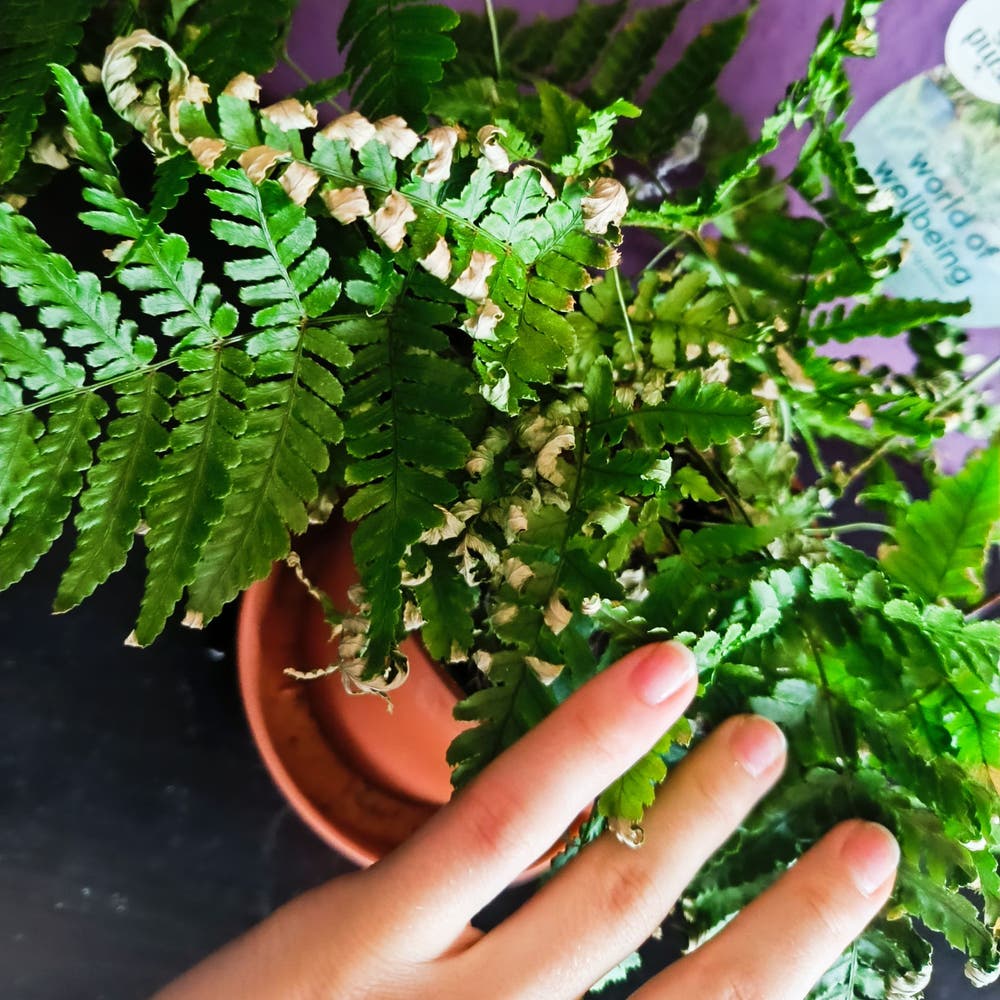
Soil Recommendations for Leatherleaf Fern
Rumohra adiantiformis
By the Greg Editorial Team
Jun 15, 2024•7 min read
This article was created with the help of AI so we can cover more plants for you. May contain errors. See one? Report it here.
- Mold and compaction harm ferns, causing stunted growth; improve air flow and loosen soil.
- Choose soil with peat, perlite, vermiculite for optimal Leatherleaf Fern health.
- Maintain pH 5.0-6.0, add organic matter, and fertilize carefully.
Signs of Unhealthy Soil and Remediation
Identifying mold and compaction in Leatherleaf Fern soil is crucial for plant health. Mold can appear in various colors and textures, often accompanied by a musty odor. Compaction, on the other hand, suffocates roots, leading to stunted growth and yellowing leaves.
🍄 Recognizing Mold
Mold may present as fuzzy or slimy patches on the soil surface or around drainage holes. Yellow, white, brown, or grey—its appearance can vary. Small mushrooms may also sprout, signaling excess moisture.
🌑 Detecting Soil Compaction
Compacted soil feels hard and dense, restricting water and air flow. Roots struggle in such environments, manifesting as wilted or discolored fronds. If the soil hasn't been aerated or changed in years, it's likely too compact.
🚨 Immediate Remediation Steps
- Remove Mold: Scoop out visible mold and affected soil. Improve air circulation around the plant to prevent recurrence.
- Aerate Soil: Gently loosen the soil without disturbing the roots. Consider repotting with a fresh, well-draining mix if compaction is severe.
- Adjust Watering: Overwatering often leads to mold and compaction. Water only when the top inch of soil feels dry to the touch.
- Monitor Closely: Keep an eye on the fern for further signs of distress. Healthy Leatherleaf Ferns have supple, uniformly green fronds.
By promptly addressing mold and compaction, you can restore the soil to a healthy state, ensuring your Leatherleaf Fern thrives.

Selecting the Right Store-Bought Soil Mix
When hunting for the ideal store-bought soil mix for your Leatherleaf Fern, think 'Goldilocks': not too heavy, not too light, but just right. You want a mix that boasts a trifecta of peat moss, perlite, and vermiculite—a combo that ensures moisture retention, breathability, and drainage.
💎 Key Features to Look For
- Well-draining capacity: A non-negotiable feature to prevent root rot.
- Rich in organic matter: This is the buffet your fern feasts on.
- Light and airy texture: Your fern's roots need room to dance.
🌱 Top Recommended Soil Brands
- Happy Frog Potting Soil: A crowd-pleaser with consistent quality.
- Pro-Mix: It's like the Swiss Army knife of potting soils, versatile and reliable. Just remember to throw in some fertilizer at planting time.
- PittMoss Commercial Blend: If you can get your hands on this, your fern might just throw you a thank-you party.
🚀 Quick Tips
- Check the bag size to avoid excess soil turning into an unwanted science experiment in your garage.
- Look for resealable bags to keep your mix fresh for future repotting escapades.
- Don't be swayed by fancy packaging; it's what's inside that counts for your fern's happiness.
Remember, your Leatherleaf Fern doesn't care about brand names; it's all about the quality of the mix. So, choose wisely, and you'll be rewarded with a fern that's as lush as a tropical rainforest canopy.

Crafting the Perfect Homemade Soil Mix for Leatherleaf Fern
Creating a homemade soil mix for your Leatherleaf Fern isn't just about playing in the dirt; it's about giving your plant a tailored living space. Let's dig in.
🌱 Essential Components
The perfect mix for Leatherleaf Ferns requires three key ingredients:
- Peat moss for moisture retention
- Perlite to keep things light and airy
- Vermiculite for added aeration and moisture control
Step-by-Step Mixing Guide
- Measure out equal parts of peat moss, perlite, and vermiculite. Think of it as the holy trinity for fern soil mixes.
- Blend the components thoroughly in a large container. Get your hands dirty—mixing is half the fun!
- Test the consistency. Your mix should clump lightly but break apart easily.
- Moisten the mix slightly before introducing your fern. Not too wet, just damp enough to feel like a wrung-out sponge.
- Fill your pot, leaving room for the plant and additional top dressing.
Remember, the goal is to create a well-draining, nutrient-rich environment that mimics the fern's natural habitat. Your Leatherleaf Fern will thank you with lush, green fronds that scream "I'm home!"

Adjusting Soil pH for Leatherleaf Ferns
Soil pH isn't just a number; it's a crucial player in your Leatherleaf Fern's well-being. Get it wrong, and you're basically handcuffing those nutrients, making them inaccessible to your plant.
💧 The pH Power Play
Leatherleaf Ferns need their soil just right – not too acidic, not too alkaline. Neutral to slightly acidic is the sweet spot, typically between 5.0 and 6.0 on the pH scale.
🧪 Testing 1, 2, 3...
Before you play chemist with your soil, you've got to test it. Grab a pH meter or a simple soil test kit from your local garden center. It's like a health check-up for your soil, and just as non-negotiable.
🛠 Making Adjustments
If your soil is throwing a pH tantrum, it's time to intervene. Too acidic? Sprinkle some limestone into the mix. Too alkaline? Sulfur is your friend. But go easy – it's a tweak, not an overhaul.
🌱 The Organic Buffer
Mixing in organic matter can help stabilize pH levels. It's like a security blanket for your fern, keeping things consistent and comfy.
⏰ Keep It Regular
Soil pH can drift over time, so make this a regular part of your plant care routine. Think of it as dental hygiene for your fern – skip it, and there'll be consequences.
Remember, adjusting soil pH isn't a one-and-done deal. It's an ongoing dialogue with your plant, so stay tuned in and ready to respond.
Enriching Soil with Organic Matter and Fertilizers
Organic matter is the lifeblood of Leatherleaf Fern soil. It boosts fertility and improves soil structure, which in turn enhances water retention and aeration. Compost and leaf mold are your go-to additives; they're like a gourmet meal for your fern's roots.
💪 The Role of Organic Matter
Organic matter is not just filler; it's a powerhouse of nutrients. It's what keeps the soil ecosystem thriving, with beneficial microbes and earthworms breaking it down into plant-accessible food. Mix it in or use as a top dressing—either way, your Leatherleaf Fern will thank you.
🌱 When and How to Use Fertilizers
Fertilizers are like supplements for your plants. Use a balanced fertilizer (think 10-10-10) every few weeks during the growing season. But remember, it's easy to overdo it. Too much and you're doing more harm than good—burnt roots are no joke.
🌿 Fertilizer Types
Liquid or granular, organic or synthetic—each has its place. Organic options, like fish emulsion or worm tea, offer a slow-release buffet of nutrients and beneficial microbes. Synthetic ones pack a punch but use them sparingly and never on dry soil.
⏰ Timing is Everything
Apply fertilizers when your fern is in its growth phase. Think of it as breakfast for champions; your fern is gearing up to grow and needs all the energy it can get. Early morning is the best time for this nutrient boost.
🌿 Organic vs Synthetic
Organic fertilizers are the slow food movement of the plant world. They release nutrients gradually, improving soil health over time. Synthetics are fast food—quick and effective, but they don't do much for soil texture or microbe populations. Choose based on your fern's needs and your own ethos.
🧪 Testing and Adjusting
Before you go tossing fertilizer around, do a soil test. It's like a check-up for your soil, telling you what's missing and what's in excess. Adjust your fertilization plan accordingly, because more isn't always better.
Remember, Leatherleaf Ferns aren't high-maintenance divas. They're more like that chill friend who's happy with a home-cooked meal. Keep it simple, keep it organic, and you'll have a happy, healthy fern.
⚠️ Safety First
This content is for general information and may contain errors, omissions, or outdated details. It is not medical, veterinary advice, or an endorsement of therapeutic claims.
Always consult a qualified healthcare professional before using any plant as food, medicine, or supplement.
Never eat any plant (or feed one to pets) without confirming its identity with at least two trusted sources.
If you suspect poisoning, call Poison Control (800) 222-1222, the Pet Poison Helpline (800) 213-6680, or your local emergency service immediately.
Spotted an error? Please report it here.
Revitalize your Leatherleaf Ferns with the perfect soil mix to prevent mold and compaction, and count on Greg 🌱 for timely pot-refresh reminders that ensure peak plant health.