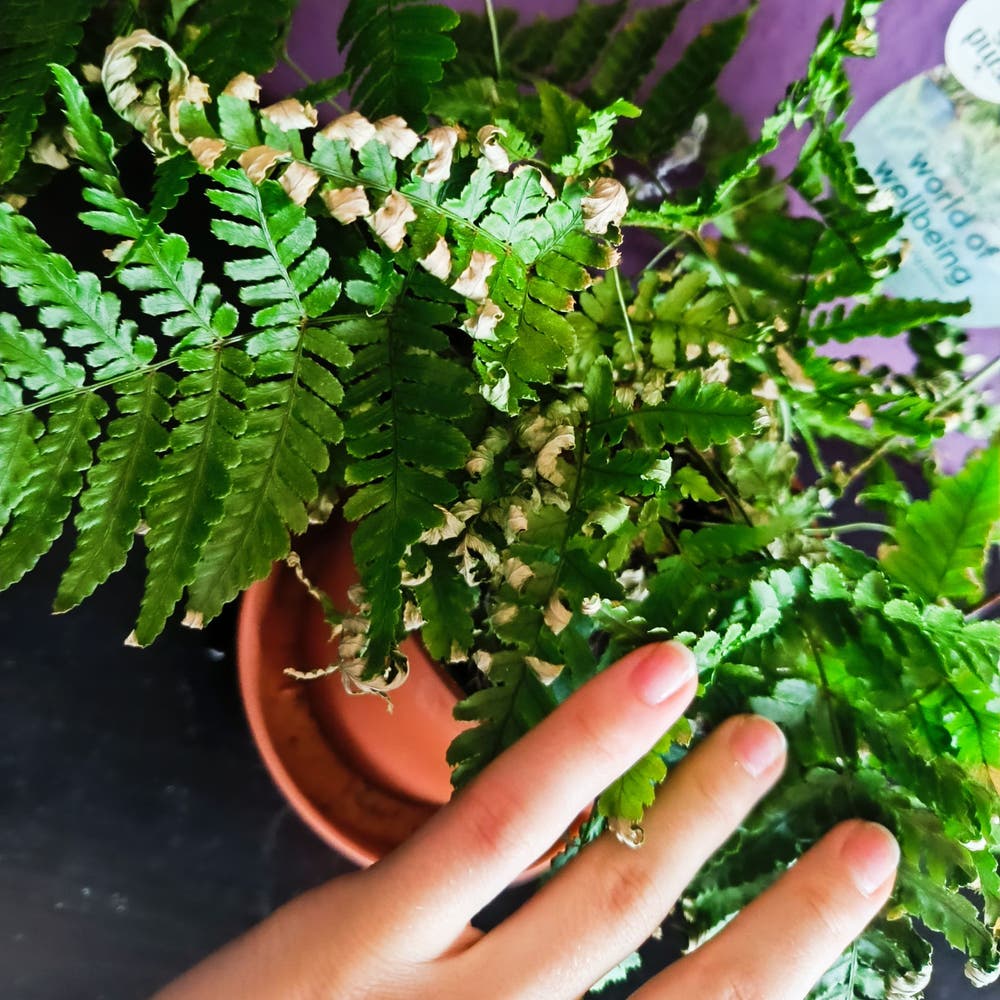
Best Tips for Propagating Leather Fern 🌱
Rumohra adiantiformis
By the Greg Editorial Team
Jan 07, 2025•5 min read
This article was created with the help of AI so we can cover more plants for you. May contain errors. See one? Report it here.
- 🌱 Choose healthy 6-8 inch fronds and cut below a node for best results.
- 💧 Maintain humidity above 60% and temperatures between 65°F to 75°F for optimal growth.
- 🕶️ Provide 6-8 hours of indirect sunlight to prevent frond scorching during propagation.
Propagating from Cuttings
Step-by-step guide for taking cuttings 🌱
To start propagating your leather fern, first, select healthy fronds that are at least 6-8 inches long. This length ensures that the cuttings have enough material to develop strong roots.
Next, use clean, sharp scissors to cut just below a node. This is crucial because the node is where new roots will sprout. After cutting, remove the lower leaves to expose the node, making it easier for the cutting to root.
Ideal conditions for rooting cuttings ☀️
Creating the right environment for your cuttings is essential for successful propagation. Aim for indirect sunlight for 6-8 hours daily, as direct sunlight can scorch the delicate fronds.
Humidity is another key factor; maintain levels above 60% using a humidity dome or regular misting. Additionally, keep the temperature between 65°F to 75°F (18°C to 24°C) to encourage healthy growth.
Timeframe for rooting and growth ⏳
Patience is vital when propagating leather ferns. Typically, it takes about 2-4 weeks for roots to develop after taking cuttings.
Once rooted, you should start to see new growth within 4-6 weeks. This is a rewarding sign that your propagation efforts are paying off, and your fern is on its way to thriving.
With these steps, you’re well on your way to successfully propagating leather ferns from cuttings. Next, let’s explore how to propagate leather ferns from spores for an even more exciting propagation method.
Propagating from Spores
How to collect and prepare spores 🌱
Collecting spores from your leather fern is a straightforward process. First, identify spore readiness by looking for brown, mature spore cases on the underside of the fronds.
To collect the spores, gently shake the fronds over a clean sheet of paper. This method allows the spores to fall onto the paper without causing damage to the plant.
Germination process for spores 🌿
Once you've collected the spores, it's time to prepare them for planting. Start by soaking the collected spores in water for 24 hours; this helps to kickstart the germination process.
Next, sprinkle the soaked spores evenly on the surface of your chosen growing medium. After sowing, lightly mist the spores and cover them with a clear plastic lid or bag to maintain humidity, creating a mini greenhouse effect.
Ideal growing medium for spore propagation 🪴
Choosing the right growing medium is crucial for successful spore propagation. A recommended mix is a sterile combination of peat moss and perlite, which provides excellent drainage.
Aim for a slightly acidic pH level between 5.5 and 6.5. This pH range supports optimal growth conditions for your leather fern spores, ensuring they thrive as they develop into new plants.
With these steps, you're well on your way to successfully propagating leather ferns from spores. Next, let's explore how to divide your leather fern for even more propagation opportunities.
Dividing Leather Fern
When and how to divide 🌱
Dividing your leather fern is a great way to promote healthy growth and create new plants. The best time to do this is in spring or early summer when the plant is actively growing.
To divide, carefully remove the plant from its pot. Gently separate the root ball into sections, ensuring each section has both roots and fronds for successful replanting.
Tools needed for division 🔧
Having the right tools makes the division process smoother. You'll need clean, sharp garden shears or a knife to make precise cuts.
Don't forget to wear gloves for protection. This will keep your hands safe while handling the plant and soil.
Post-division care tips 🌿
After dividing, replant the sections immediately in fresh soil. Water them thoroughly to help settle the soil around the roots.
Monitor the conditions closely. Keep the newly divided plants in a shaded area with high humidity to aid their recovery and encourage new growth.
With proper care, your leather fern will thrive and flourish in no time!
Common Challenges in Propagation
🐛 Pests and Diseases
Common pests affecting during propagation
When propagating leather ferns, be vigilant for common pests like spider mites, aphids, and mealybugs. These pests can cause significant damage, leading to symptoms such as wilting leaves, webbing, or sticky residue on the fronds.
Preventative measures and treatments
To combat these pests, consider introducing beneficial insects or applying insecticidal soap. Regular inspections of your plants, ideally on a weekly basis, can help catch infestations early, ensuring your ferns stay healthy and thriving.
💧 Root Rot and Overwatering
Signs of root rot
Root rot is a serious issue that can arise during propagation. Look for signs like yellowing leaves, mushy roots, and a foul smell emanating from the soil, all of which indicate that your fern is in distress.
How to prevent overwatering during propagation
To prevent overwatering, establish a watering schedule that allows the top inch of soil to dry out before you water again. Additionally, using well-draining soil is crucial to avoid water accumulation, which can lead to root rot and other complications.
By staying aware of these challenges and taking proactive measures, you can ensure a successful propagation experience for your leather fern. Next, let's explore the process of dividing leather fern for even more propagation opportunities.
⚠️ Safety First
This content is for general information and may contain errors, omissions, or outdated details. It is not medical, veterinary advice, or an endorsement of therapeutic claims.
Always consult a qualified healthcare professional before using any plant as food, medicine, or supplement.
Never eat any plant (or feed one to pets) without confirming its identity with at least two trusted sources.
If you suspect poisoning, call Poison Control (800) 222-1222, the Pet Poison Helpline (800) 213-6680, or your local emergency service immediately.
Spotted an error? Please report it here.
Propagating your leather fern can be thrilling 🌱 when you let Greg provide personalized tips and reminders to ensure your new plants grow strong and healthy!