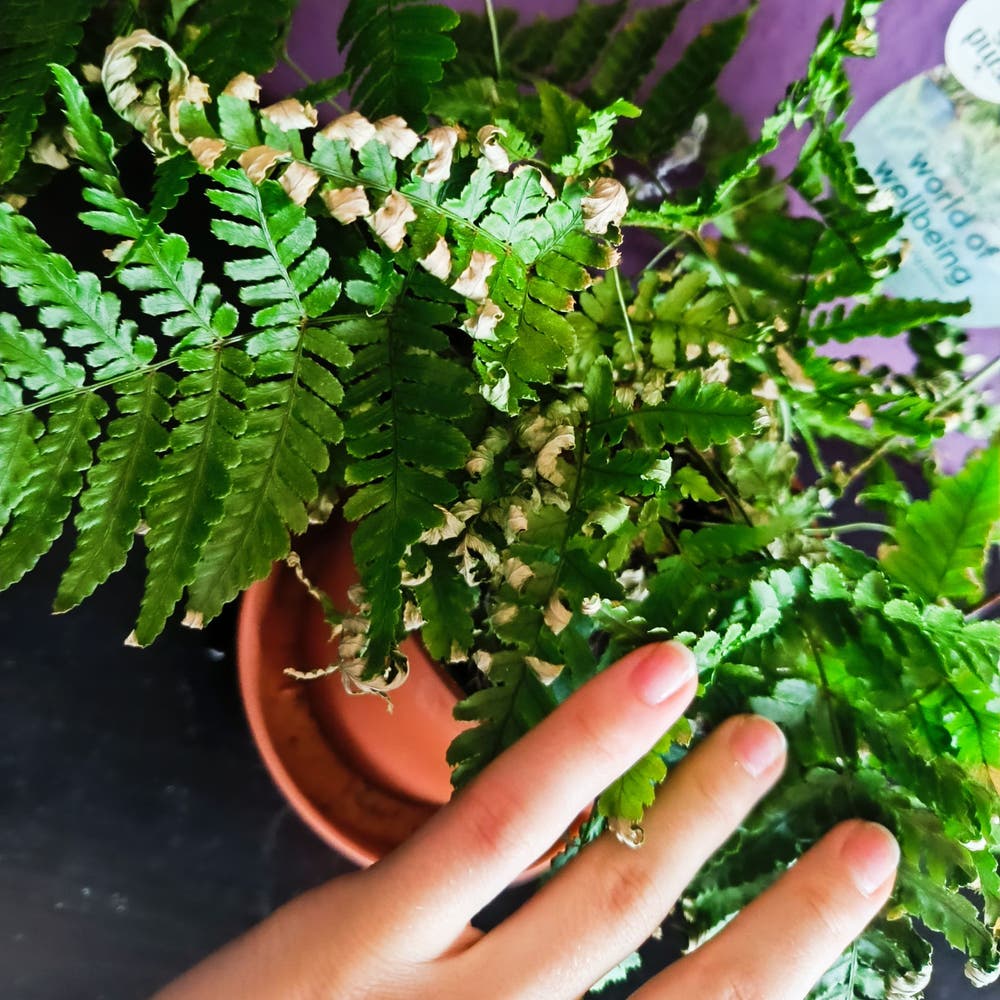
4 Essential Steps to Grow Healthy Leather Fern 🍃
Rumohra adiantiformis
By the Greg Editorial Team
Jan 07, 2025•6 min read
This article was created with the help of AI so we can cover more plants for you. May contain errors. See one? Report it here.
- 🌞 Leather ferns thrive in indirect sunlight to prevent leaf scorching.
- 🌡️ Ideal temperature is 60°F to 75°F; avoid drafts for healthy growth.
- 💧 Consistently moist soil is crucial; check moisture levels regularly.
Choosing the Right Location
💡 Light and Temperature Requirements
Finding the perfect spot for your leather fern is crucial for its growth. These ferns thrive in indirect sunlight, which promotes lush foliage without the risk of scorching from direct rays.
Maintaining the right temperature is equally important. Aim for a comfortable range of 60°F to 75°F (15°C to 24°C). This temperature zone encourages healthy growth and keeps your fern happy.
🌞 Why Indirect Sunlight Matters
Direct sunlight can be detrimental, leading to crispy, burnt leaves. Instead, opt for a location that receives filtered light, such as near a window with sheer curtains or in a shaded outdoor area.
🌡️ Ideal Temperature Conditions
Leather ferns prefer a stable environment. Sudden temperature fluctuations can stress the plant, so keep it away from drafts or heating vents. A consistent temperature will help your fern flourish.
By ensuring your leather fern has the right light and temperature, you're setting the stage for vibrant growth. Next, let’s explore how to prepare the perfect soil for your fern's new home.
Soil Preparation
Best Soil Types and pH Level Considerations 🌱
To grow a healthy leather fern, start with well-draining soil. This is crucial to prevent root rot, which can be a common issue for ferns. A recommended mix is potting soil combined with perlite, ensuring that excess water can escape easily.
Next, pay attention to the pH level of your soil. The ideal range for leather ferns is between 6.0 and 7.0, which is slightly acidic to neutral. This balance supports optimal nutrient absorption, promoting vibrant growth and lush fronds.
By selecting the right soil and maintaining the correct pH, you set a solid foundation for your fern's health. With these preparations in place, your leather fern will thrive and bring a touch of greenery to your space.
As you move forward, remember that proper planting techniques will further enhance your fern's growth potential.
Planting Techniques ((difficulty:easy))
Step-by-Step Guide 🌱
Planting your leather fern is an exciting process that sets the stage for its healthy growth. Follow these simple steps to ensure your fern thrives.
Choose a Suitable Container or Outdoor Location
Select a pot with drainage holes or a well-drained garden spot. This choice is crucial for preventing water accumulation that can harm your fern.Prepare the Soil Mix
Create a well-draining soil mix using potting soil blended with perlite. This combination promotes healthy root development and prevents root rot.Position the Crown Correctly
When planting, ensure the crown of the fern sits level with the soil surface. This positioning allows for optimal growth and prevents the crown from rotting.Space Your Ferns Appropriately
If planting outdoors, space your ferns 18-24 inches apart. This distance allows for air circulation and room for growth, ensuring each fern has the space it needs to flourish.
By following these straightforward planting techniques, you're setting your leather fern up for success. Next, let’s explore how to properly water and fertilize your fern for continued health and vitality.
Watering and Fertilizing
🌊 Techniques for Optimal Care
To keep your leather fern thriving, maintain consistently moist soil without letting it become soggy. Regularly check moisture levels by sticking your finger into the soil; if it feels dry an inch down, it’s time to water.
🌱 Fertilizing for Growth
During the growing season, use a balanced, water-soluble fertilizer diluted to half strength every 4-6 weeks. This will provide essential nutrients without overwhelming your fern.
🚫 Signs of Overwatering
Watch for yellowing leaves and mushy roots, which are clear indicators of overwatering. If you notice these signs, adjust your watering schedule to allow the soil to dry out slightly between waterings.
💧 Signs of Underwatering
On the flip side, if your fern's fronds start wilting and the soil feels dry, it’s time to increase your watering frequency. A little extra attention can revive your fern and keep it looking lush.
⚖️ Finding the Balance
Striking the right balance between watering and fertilizing is crucial for your fern's health. By observing your plant and adjusting your care routine accordingly, you can ensure it flourishes beautifully.
As we move forward, let’s explore the essential pruning and maintenance techniques that will keep your leather fern in top shape.
Pruning and Maintenance
Care Routine for Healthy Growth 🌱
To keep your leather fern thriving, regular pruning is essential. Throughout the growing season, make it a habit to remove any dead or damaged fronds to encourage healthy growth.
Inspect for Pests and Diseases 🐛
Regular inspections are crucial for early detection of pests and diseases. Look for signs of trouble, such as discoloration or unusual spots on the leaves.
Maintain Humidity Levels 💧
Leather ferns love humidity, so maintaining the right moisture levels is key. You can achieve this by misting the leaves or placing a humidifier nearby.
Adjust Care Routine Seasonally 🍂
As the seasons change, so should your care routine. Be prepared to adjust watering and humidity levels based on the climate to keep your fern happy and healthy.
By following these simple yet effective maintenance tips, you can ensure your leather fern remains lush and vibrant. Next, let's explore common challenges you might face and how to tackle them effectively.
Common Challenges and Solutions
🐛 Identifying and Managing Pests and Diseases
Growing healthy leather ferns can come with its share of challenges. Understanding common pests and diseases is crucial for maintaining their lush appearance.
Pests: Aphids and Spider Mites
Aphids and spider mites are two common pests that can wreak havoc on your ferns. To combat these nuisances, use insecticidal soap, which is effective and safe for your plants.
Increasing humidity can also deter these pests. A simple misting of the leaves or placing a humidifier nearby can create an environment less favorable for them.
Diseases: Root Rot and Leaf Spot
Root rot and leaf spot are diseases that often stem from improper care. Ensuring your fern is planted in well-draining soil is essential to prevent root rot.
Improving air circulation around your plants can help combat leaf spot. This can be achieved by spacing your ferns appropriately and avoiding overcrowding.
Maintaining Moisture Levels
Keeping your leather fern healthy also involves maintaining proper moisture levels. Regularly misting the leaves or using a humidifier can help maintain the necessary humidity.
If you notice your fern's fronds wilting or the soil drying out too quickly, it may be time to adjust your watering routine. Consistency is key to a thriving fern.
🌱 Conclusion
By staying vigilant about pests and diseases, you can ensure your leather fern remains vibrant and healthy. With the right care and attention, these ferns can flourish in your home or garden, bringing a touch of nature indoors.
Next, let's explore the essential pruning and maintenance techniques to keep your leather fern looking its best.
⚠️ Safety First
This content is for general information and may contain errors, omissions, or outdated details. It is not medical, veterinary advice, or an endorsement of therapeutic claims.
Always consult a qualified healthcare professional before using any plant as food, medicine, or supplement.
Never eat any plant (or feed one to pets) without confirming its identity with at least two trusted sources.
If you suspect poisoning, call Poison Control (800) 222-1222, the Pet Poison Helpline (800) 213-6680, or your local emergency service immediately.
Spotted an error? Please report it here.
Grow thriving leather ferns 🌱 with these essential tips, and let Greg guide you with personalized care reminders to keep them healthy and happy!