❄️ How to Prepare Your Leather Fern for Winter
Rumohra adiantiformis
By the Greg Editorial Team
Jan 07, 2025•6 min read
This article was created with the help of AI so we can cover more plants for you. May contain errors. See one? Report it here.
- 💧 Water less frequently in winter to prevent root rot; every 2-3 weeks is ideal.
- 🌱 Use low-nitrogen fertilizers once in late winter for balanced nutrition.
- 🌡️ Maintain indoor temperatures between 60°F to 75°F for optimal fern health.
Adjusting Watering Schedules for Winter
💧 Watering Frequency
As winter approaches, it's crucial to adjust your watering schedule for your Leather Fern. The general guideline is to reduce watering frequency to prevent root rot, which can be a common issue during the colder months.
Watch for signs of overwatering, such as yellowing fronds and mushy roots. These indicators signal that your fern is receiving too much moisture, which can lead to serious health problems.
🌊 Watering Techniques
When it comes to watering techniques, the best practice is to water deeply but infrequently. This method encourages the roots to grow deeper and become more resilient.
To ensure your fern is getting the right amount of moisture, monitor soil dampness. You can use a moisture meter or simply perform a finger test by sticking your finger into the soil to check for moisture levels.
📅 Leather Fern Watering Schedule
For winter months, a recommended watering schedule is to water every two to three weeks, depending on your home's humidity levels. Adjust this frequency based on how quickly the soil dries out, ensuring your fern remains healthy and vibrant throughout the season.
By following these guidelines, you'll help your Leather Fern thrive even in the chill of winter. Next, let’s explore how to modify fertilizing practices during this time.
Modifying Fertilizing Practices During Winter
🌱 Fertilizer Type
When winter rolls around, it's time to rethink your fertilizing strategy for your leather fern. Opt for low-nitrogen, slow-release fertilizers to provide balanced nutrients without pushing your plant into overdrive.
Balanced nutrition is key during this season. It ensures your fern gets what it needs to stay healthy without promoting excessive growth, which can be detrimental in colder months.
🗓️ Fertilizing Schedule
As for timing, plan to fertilize just once in late winter, right before the spring growth spurt begins. This approach gives your fern a gentle boost as it prepares to thrive in the warmer months ahead.
For application, dilute the fertilizer in water to enhance absorption. This method makes it easier for your fern to take in the nutrients it craves, setting the stage for a vibrant spring.
By adjusting your fertilizing practices, you can help your leather fern weather the winter and emerge ready for growth. Next, let’s explore how to provide the best indoor care for your fern during this chilly season.
Indoor Care for Leather Fern in Winter
Light Requirements in Winter 🌞
Leather ferns thrive in indirect sunlight or filtered light during winter. If your fern is outdoors, consider moving it indoors to shield it from frost exposure.
Temperature Tolerance 🌡️
The ideal indoor temperature for your leather fern ranges from 60°F to 75°F (15°C to 24°C). Be mindful to keep it away from drafts and heat sources, as temperature extremes can stress the plant.
Humidity Considerations 💧
Humidity is crucial for maintaining healthy fronds. To increase humidity, you can use a pebble tray filled with water or a humidifier to create a more favorable environment.
Practical Tips for Indoor Care 🛠️
- Monitor Light: Ensure your fern receives adequate light by placing it near a window with filtered sunlight.
- Check Temperature: Use a thermometer to keep track of indoor temperatures, ensuring they stay within the ideal range.
- Boost Humidity: Regularly check moisture levels in the air, especially in dry winter months.
By following these indoor care tips, your leather fern will remain healthy and vibrant throughout the winter. Next, we’ll explore effective frost protection strategies to safeguard your fern from cold temperatures.
Frost Protection Strategies
Identifying Frost Sensitivity 🥶
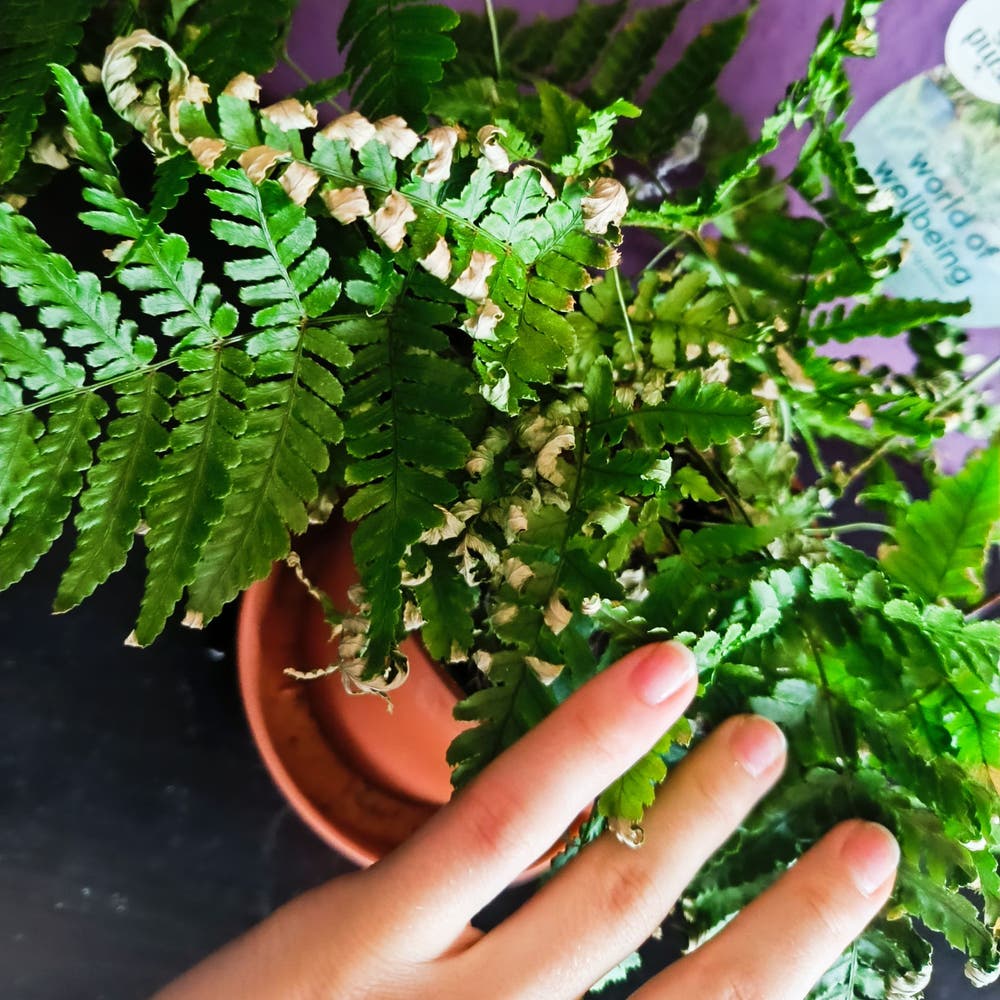
Frost can be a real threat to your leather fern, and recognizing the signs of frost damage is crucial. Look out for brown, crispy fronds, which indicate that your fern has been exposed to cold temperatures.
Understanding frost protection is essential for safeguarding your plant. Protecting your fern from frost not only preserves its health but also ensures it thrives when spring arrives.
Protective Measures 🛡️
When it comes to outdoor protection, covering your fern with frost cloth or burlap during cold snaps is a smart move. These materials provide a barrier against freezing temperatures, helping to keep your fern cozy.
For indoor protection, maintaining adequate warmth and humidity levels is key. Make sure your fern is in a warm spot, away from drafts and heat sources, to create a comfortable environment.
Location considerations also play a significant role in frost protection. Placing your fern in sheltered areas away from the wind can help shield it from harsh conditions, ensuring it remains healthy throughout winter.
By taking these steps, you can effectively protect your leather fern from frost damage and set it up for a successful transition into spring.
Steps for Recovery from Winter Stress
Initial Assessment 🌱
After winter, the first step is to evaluate the extent of damage to your leather fern. Check both the fronds and roots for any signs of distress.
If you notice brown, crispy fronds, it's time to take action. Prune back any damaged fronds to healthy tissue, which encourages new growth and improves the plant's overall appearance.
Care Adjustments 🌿
Once you've assessed the damage, adjust your watering and fertilizing practices to support recovery. Be mindful not to overwater; instead, provide just enough moisture to help your fern bounce back.
Additionally, monitor environmental conditions closely. Ensure your fern receives optimal light and humidity to create a nurturing environment for recovery.
By following these steps, your leather fern can thrive again, ready to embrace the warmth of spring.
Preparing for Spring Growth
🌱 Spring Transition
As winter fades, your leather fern will show signs of spring, such as increased light and warmer temperatures. These changes signal that it's time to prepare your fern for its active growth phase.
Gradual acclimatization is key. Start by moving your fern outdoors slowly, allowing it to adjust to the brighter conditions and fresh air. This helps prevent shock and promotes healthy growth.
✂️ Pruning and Maintenance After Winter
Pruning is essential after winter. Remove any dead or damaged fronds to encourage new growth and improve the plant's overall appearance.
Regular maintenance practices will support your fern's revival. Ensure consistent watering and fertilizing to provide the nutrients needed for robust spring growth. This proactive approach will set your leather fern on the path to thriving in the warmer months ahead.
⚠️ Safety First
This content is for general information and may contain errors, omissions, or outdated details. It is not medical, veterinary advice, or an endorsement of therapeutic claims.
Always consult a qualified healthcare professional before using any plant as food, medicine, or supplement.
Never eat any plant (or feed one to pets) without confirming its identity with at least two trusted sources.
If you suspect poisoning, call Poison Control (800) 222-1222, the Pet Poison Helpline (800) 213-6680, or your local emergency service immediately.
Spotted an error? Please report it here.
Keep your Leather Fern thriving through winter ❄️ with Greg's tailored watering reminders and moisture checks, ensuring it’s ready to flourish come spring!