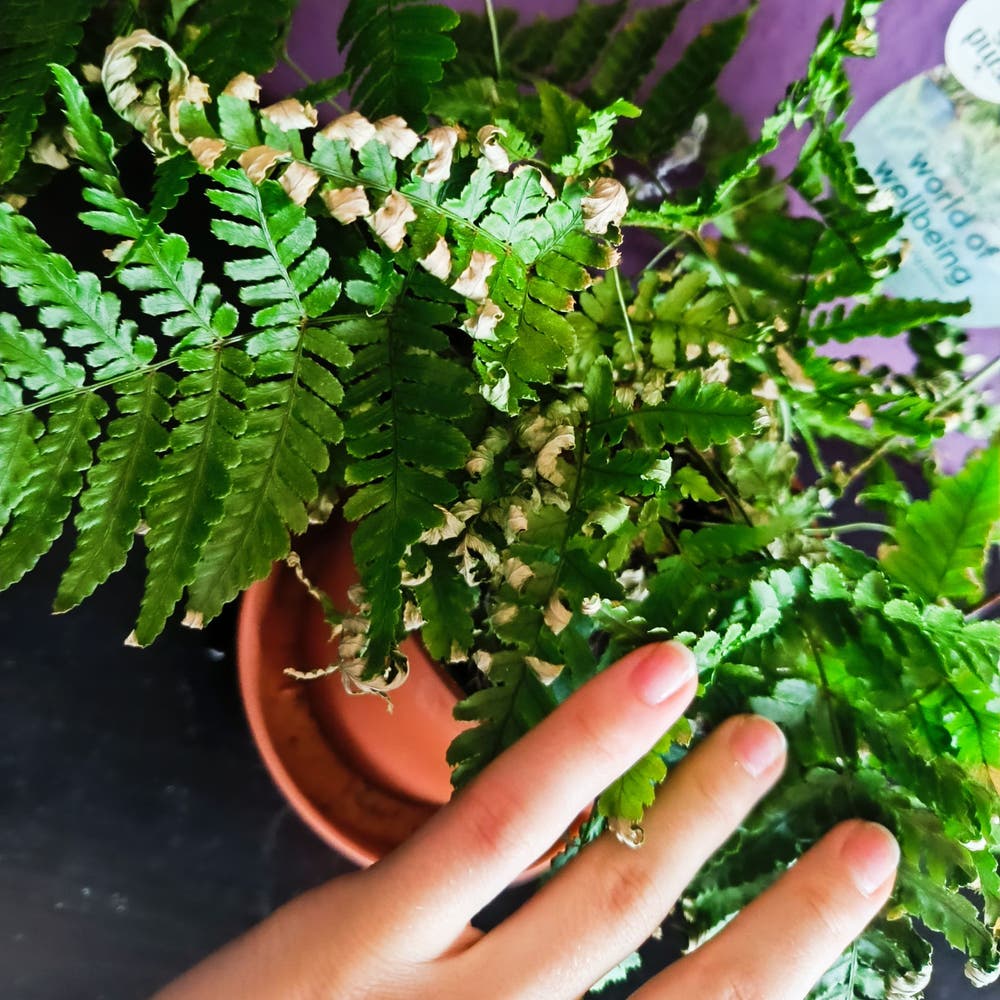
🌿 What to Do When Your Leather Fern Leaves Turn Yellow
Rumohra adiantiformis
By the Greg Editorial Team
Oct 19, 2024•5 min read
This article was created with the help of AI so we can cover more plants for you. May contain errors. See one? Report it here.
- 🌱 Yellow leaves indicate issues like overwatering, underwatering, or light problems.
- 💧 Establish a consistent watering schedule to prevent crispy tips and yellowing.
- 🌞 Bright, indirect light is essential; avoid direct sunlight to protect leaves.
Causes of Yellowing Leaves
💧 Overwatering: Signs and Solutions
Overwatering is a common culprit behind yellowing leaves in leather ferns. Symptoms include yellowing, particularly in older fronds, wilting despite wet soil, and root rot characterized by dark, mushy roots.
To combat overwatering, allow the soil to dry out between waterings. Improving drainage is essential; consider repotting in well-draining soil and using pots with drainage holes to prevent water accumulation.
🌵 Underwatering: Identifying and Remedying
Underwatering can also lead to yellowing leaves, especially in younger fronds. Look for dry, crispy leaf tips and soil pulling away from the pot edges as signs of distress.
To remedy this, establish a consistent watering schedule. Regularly check soil moisture and water when the top inch feels dry; using a moisture meter can provide accurate readings.
💡 Light Conditions: Importance of Proper Lighting
Proper lighting is crucial for healthy leather ferns. They thrive in indirect light, and direct sunlight can scorch their leaves, leading to elongated fronds and pale yellow leaves.
Position your fern in bright, filtered light or near a north-facing window. Sheer curtains can help diffuse harsh sunlight, creating an ideal environment for growth.
🌱 Nutrient Deficiencies: Common Deficiencies and How to Address Them
Nutrient deficiencies can also cause yellowing leaves. A nitrogen deficiency typically results in yellowing of older leaves, while iron deficiency leads to yellowing between leaf veins, known as interveinal chlorosis.
To address these issues, fertilize with a balanced, water-soluble fertilizer every 4-6 weeks during the growing season. A fertilizer high in nitrogen can help restore vibrant green foliage.
🐛 Pests and Diseases: Identifying and Treating Infestations
Pests and diseases can wreak havoc on your leather fern. Common pests include spider mites, which leave fine webbing and stippled leaves, and scale, which appears as small brown bumps on leaves.
Regularly inspect your fern for pests and treat infestations with insecticidal soap or neem oil. Diseases like root rot, often caused by overwatering, and leaf spot, characterized by dark spots due to fungal infections, can also affect your plant. Ensure proper watering practices and remove affected leaves to improve air circulation.
Understanding these causes of yellowing leaves will help you take the necessary steps to restore your leather fern's health. Next, we'll explore effective strategies for preventing yellow leaves altogether.
Preventing Yellow Leaves
💧 Proper Watering Techniques
Watering your leather fern correctly is crucial for its health. Aim to water when the top inch of soil feels dry, adjusting your schedule based on seasonal changes and humidity levels.
To ensure thorough hydration, water until it drains from the bottom of the pot. Avoid letting your plant sit in standing water, as this can lead to root rot.
☀️ Ideal Light Conditions for Growth
Light plays a vital role in your fern's well-being. Leather ferns thrive in indirect light, so position them accordingly.
Rotate your plant occasionally for even growth and keep an eye out for signs of light stress, such as yellowing or scorched leaves.
🌱 Soil Selection and Amendments
Choosing the right soil is essential for preventing yellow leaves. A well-draining potting mix enriched with organic matter is ideal.
Consider adding perlite or orchid bark to enhance drainage. A peat-based mix can also help retain moisture, ensuring your fern gets the hydration it needs.
💦 Humidity Requirements and How to Maintain Them
Leather ferns flourish in humidity levels between 50-70%. Maintaining this environment is key to preventing yellowing leaves.
Use a humidifier or a pebble tray filled with water to boost humidity. Grouping plants together can also create a microclimate that benefits your fern.
By following these preventive measures, you can keep your leather fern vibrant and healthy. Next, let’s explore how to revive yellow leaves and restore your plant to its former glory.
Reviving Yellow Leaves
Step-by-Step Guide to Assess the Plant's Health 🌱
Check Soil Moisture: Start by using a moisture meter or simply test with your finger. This will help you determine if the soil is too dry or too wet.
Inspect Leaves for Pests or Signs of Disease: Look closely at the leaves for any pests or unusual spots. Early detection can save your plant from further damage.
Evaluate Light Conditions: Ensure your fern is getting the right amount of light. Adjust its placement if you notice signs of stress, like yellowing leaves.
Techniques for Improving Soil Drainage 💧
Repotting: If drainage is an issue, consider repotting your fern. Choose a pot with drainage holes to prevent water from sitting at the bottom.
Adding Amendments: Enhance drainage by incorporating perlite or sand into your soil mix. This will help keep the roots healthy and prevent rot.
Adjusting Watering Schedules ⏰
Create a Watering Calendar: Establish a consistent watering routine based on seasonal needs. This will help you avoid the pitfalls of over or underwatering.
Use Reminders: Consider using the Greg plant care app for timely reminders. Consistency is key to keeping your fern thriving.
Fertilization Tips for Recovery 🌿
- Fertilizing Schedule: Once your fern shows signs of recovery, start fertilizing. A balanced, diluted solution will provide the nutrients it needs without overwhelming it.
Pruning Yellow Leaves: When and How to Do It ✂️
Timing: Prune yellow leaves only when they are fully yellow and dry. This ensures you're not removing healthy foliage.
Techniques: Use clean, sharp scissors to make precise cuts. Trim at the base of the leaf stem to encourage new growth and keep your fern looking its best.
Reviving your leather fern can be a rewarding experience. With the right care and attention, you can restore its vibrant green glory. Next, let’s explore how to prevent yellow leaves from becoming a recurring issue.
⚠️ Safety First
This content is for general information and may contain errors, omissions, or outdated details. It is not medical, veterinary advice, or an endorsement of therapeutic claims.
Always consult a qualified healthcare professional before using any plant as food, medicine, or supplement.
Never eat any plant (or feed one to pets) without confirming its identity with at least two trusted sources.
If you suspect poisoning, call Poison Control (800) 222-1222, the Pet Poison Helpline (800) 213-6680, or your local emergency service immediately.
Spotted an error? Please report it here.
Revive your leather fern's vibrant green with Greg's personalized care tips and watering schedules that ensure it thrives in the perfect environment! 🌱