What to Know About Growing Your Leather Fern Indoors 🦖
Rumohra adiantiformis
By the Greg Editorial Team
Jan 07, 2025•6 min read
This article was created with the help of AI so we can cover more plants for you. May contain errors. See one? Report it here.
- 🌞 Leather ferns thrive in indirect light, needing 6-8 hours of filtered sunlight daily.
- 💧 Maintain consistent soil moisture by watering every 1-2 weeks to prevent root rot.
- 🌬️ Boost humidity with humidifiers or pebble trays for lush fern growth.
Light Requirements
Indoor Light Levels 🌞
For your leather fern to thrive, it craves indirect light. While it can tolerate low light, be prepared for slower growth.
Aim for 6-8 hours of filtered sunlight daily. This will keep your fern lush and vibrant.
Effects of Insufficient Light 🚫
If your fern isn't getting enough light, you'll notice some telltale signs. Look out for stunted growth, a leggy appearance, and yellowing fronds.
To combat these issues, rotate your plant regularly. This ensures all sides receive adequate light exposure.
Role of Grow Lights 💡
In situations where natural light falls short, grow lights can be a game changer. Use them especially in low-light conditions or during the winter months.
LED or fluorescent lights that provide full-spectrum light are ideal choices. For optimal growth, aim for 12-14 hours of light each day.
With the right light conditions, your leather fern will flourish, setting the stage for its ongoing care. Next, let’s dive into the watering needs that will keep your fern healthy and happy.
Watering Needs
Guidelines 🌊
Keeping your leather fern happy starts with the right watering routine. Aim to keep the soil consistently moist but not soggy, typically watering every 1-2 weeks.
Watch for signs of under-watering, like dry, crispy fronds or soil pulling away from the pot edges. Conversely, if you notice yellowing leaves and mushy roots, it’s likely a sign of overwatering.
Water Quality Considerations 💧
When it comes to water quality, distilled or rainwater is your best bet. These options help avoid chemical buildup that can harm your fern.
Don't underestimate the importance of drainage. Ensure your pots have drainage holes to prevent root rot, which can quickly turn your plant's health around.
Humidity and Temperature Preferences
💧 Humidity
Leather ferns thrive in humidity levels between 50-70%. If you can push that higher, your fern will thank you with lush, vibrant fronds.
To boost humidity, consider these methods:
- Humidifier: A great investment for consistent moisture.
- Pebble trays: Place your pot on a tray filled with pebbles and water, ensuring the pot doesn’t sit directly in the water.
- Misting: Lightly mist the fronds regularly to provide a quick humidity boost.
🌡️ Temperature Preferences
For optimal growth, keep your leather fern in a temperature range of 60°F to 75°F (15°C to 24°C). This sweet spot helps maintain its health and vibrancy.
Be cautious of temperature extremes. Avoid placing your fern near drafts or heat sources, as sudden changes can stress the plant. Keeping a stable environment is key to a thriving fern.
With the right humidity and temperature, your leather fern will flourish, setting the stage for a beautiful indoor garden. Next, let’s explore the soil type and fertilization needs to ensure your fern gets the nutrients it craves.
Soil Type and Fertilization
Soil Requirements 🌱
To thrive, your leather fern needs a well-draining potting mix. A blend of peat moss, perlite, and compost works wonders, providing the right balance of moisture retention and aeration.
The soil pH should be slightly acidic to neutral, ideally between 6.0 and 7.0. This range ensures that your fern can absorb nutrients effectively, promoting healthy growth.
Fertilization Guidelines 🌿
During the growing season, which spans spring and summer, fertilize your fern every 4-6 weeks. This regular feeding helps support its vibrant foliage and overall vitality.
Opt for a balanced liquid fertilizer, but remember to dilute it to half strength. This approach prevents nutrient burn and keeps your fern happy and thriving.
Signs of Nutrient Deficiency ⚠️
Watch for yellowing fronds and stunted growth, as these are clear indicators of nutrient deficiency. If you notice these symptoms, it’s time to adjust your fertilization schedule.
Ensuring proper soil composition is also crucial. Regularly check that your mix remains rich and well-aerated to support your fern's nutritional needs.
As you care for your leather fern, remember that the right soil and fertilization practices lay the foundation for its health. Next, let’s explore common issues and solutions to keep your fern flourishing.
Common Issues and Solutions
🐜 Pests and Prevention
Leather ferns can attract pests like spider mites, aphids, and mealybugs. Regular inspections are key; keeping humidity levels high can deter these invaders, and insecticidal soap can be an effective treatment if needed.
🍂 Leaf Browning and Wilting
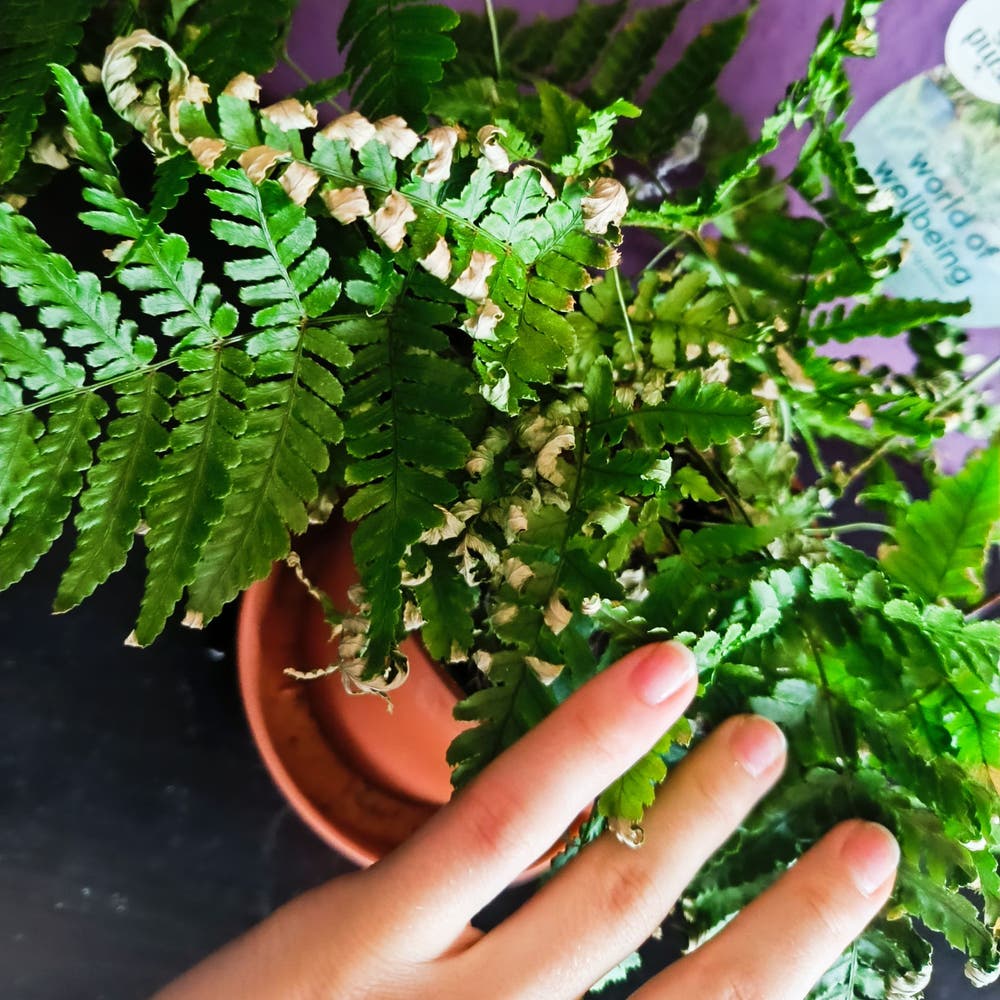
If you notice browning or wilting leaves, it may be due to under-watering, low humidity, or excessive direct sunlight. Adjust your watering schedule and increase humidity to revive your fern.
💧 Root Rot and Overwatering
Root rot is a serious issue, often indicated by wilting despite adequate watering and a foul odor from the soil. To prevent this, ensure your pot has proper drainage and monitor your watering habits closely.
🍄 Fungal Infections
Fungal infections like powdery mildew and leaf spot can plague your leather fern. To prevent these, improve air circulation around the plant and avoid overhead watering, which can create a damp environment conducive to fungus.
By addressing these common issues proactively, you can keep your leather fern thriving and healthy. Next, let’s explore the optimal placement and maintenance tips to further enhance your fern's growth.
Optimal Placement and Maintenance
Best Locations 🌍
Finding the right spot for your leather fern is crucial for its health. Ideally, place it near east or north-facing windows where it can bask in indirect light without the harsh glare of direct sunlight.
Avoid locations like drafty windows or near heat sources such as radiators. These conditions can stress your fern and hinder its growth.
Maintenance Tips 🧹
Regular maintenance is key to keeping your leather fern thriving. Trim away any dead or yellowing fronds to promote new growth and dust the leaves occasionally to enhance photosynthesis.
Don't forget to rotate your plant every few weeks. This simple act ensures that all sides receive equal light exposure, leading to a fuller, healthier appearance.
Seasonal Care Adjustments 🍂
As the seasons change, so should your care routine. In winter, reduce watering frequency and keep an eye out for temperature drops that could affect your fern.
During the summer months, increase humidity levels and adjust your watering schedule as needed. Your fern will appreciate the extra attention during its growing season.
With these placement and maintenance tips, your leather fern will flourish, bringing a touch of greenery to your indoor space. Next, let’s explore the watering needs to keep your fern hydrated and happy.
⚠️ Safety First
This content is for general information and may contain errors, omissions, or outdated details. It is not medical, veterinary advice, or an endorsement of therapeutic claims.
Always consult a qualified healthcare professional before using any plant as food, medicine, or supplement.
Never eat any plant (or feed one to pets) without confirming its identity with at least two trusted sources.
If you suspect poisoning, call Poison Control (800) 222-1222, the Pet Poison Helpline (800) 213-6680, or your local emergency service immediately.
Spotted an error? Please report it here.
Keep your leather fern lush and vibrant 🌿 by using Greg's tailored watering reminders and light tips to create the perfect indoor environment!