💧 Leather Fern - Fertilizing 101
Rumohra adiantiformis
By the Greg Editorial Team
Jan 07, 2025•5 min read
This article was created with the help of AI so we can cover more plants for you. May contain errors. See one? Report it here.
- 🌱 Leather Ferns need nitrogen, phosphorus, and potassium for optimal growth.
- 🧪 Regular soil testing helps adjust fertilization strategies for healthy ferns.
- 🚫 Over-fertilization causes leaf burn; apply the right amount for best results.
Nutrient Requirements
Essential Nutrients 🌱
To thrive, Leather Ferns need three essential nutrients: nitrogen, phosphorus, and potassium.
- Nitrogen (N) is crucial for promoting lush, green fronds that make your fern visually appealing.
- Phosphorus (P) supports robust root development and flowering, ensuring your plant grows strong and healthy.
- Potassium (K) enhances overall plant health and boosts disease resistance, helping your fern withstand environmental stressors.
Specific Nutrient Ratios ⚖️
For balanced growth, aim for a recommended NPK ratio of either 10-10-10 or 20-20-20.
This balanced approach ensures your fern receives equal parts of these vital nutrients.
Don't overlook the importance of micronutrients like iron, magnesium, and calcium, as they play a significant role in your fern's optimal health.
Soil Nutrients 🏡
The right soil is just as important as the nutrients themselves.
Leather Ferns thrive in well-draining soil that is rich in organic matter, which helps retain essential nutrients.
Regular soil testing is key to monitoring nutrient levels, allowing you to adjust your fertilization strategy as needed.
By understanding and addressing these nutrient requirements, you set your Leather Fern up for success.
Next, let’s explore the types of fertilizers that can help meet these needs effectively.
Types of Fertilizers
🌱 Organic Fertilizers
Using organic fertilizers is a fantastic choice for your leather fern. They not only improve soil health but also reduce chemical exposure, creating a safer environment for both plants and people.
Recommended organic options include compost, worm castings, and fish emulsion. These fertilizers enrich the soil with essential nutrients while promoting beneficial microbial activity.
💧 Liquid Fertilizers
Liquid fertilizers offer quick absorption, making them ideal for ferns that need a nutrient boost. Their ease of application means you can nourish your plants without much fuss.
Look for balanced liquid fertilizers with low concentrations. These will provide the necessary nutrients without overwhelming your fern.
⏳ Slow-Release Fertilizers
Slow-release fertilizers are perfect for those who prefer a hands-off approach. They ensure sustained nutrient availability over time, reducing the need for frequent applications.
When choosing a slow-release fertilizer, consider brands that are specifically formulated for ferns. This will help maintain optimal growth and health for your leather fern.
Transitioning to the next section, understanding when and how to apply these fertilizers is crucial for maximizing their benefits. Let's explore the recommended fertilization schedule next!
Recommended Fertilization Schedule
🌱 Seasonal Fertilization Guide
Spring is the time to kickstart your fern's growth. Begin fertilization as new fronds emerge, applying every 4-6 weeks to support that vibrant green growth.
As summer rolls in, keep the momentum going. Continue fertilizing every 4-6 weeks, and if you notice vigorous growth, feel free to increase the frequency to keep your fern thriving.
When fall arrives, it's time to dial back a bit. Reduce fertilization to every 6-8 weeks as growth naturally slows, allowing your fern to prepare for the cooler months ahead.
Winter is a period of rest for your fern. During this time, minimal to no fertilization is needed, letting the plant recuperate and conserve energy.
📈 Adjusting Based on Growth Stage
Understanding the growth stage of your fern is crucial for effective fertilization. Young plants have different nutrient needs compared to mature ones, so adjust your application rates accordingly.
Watch for signs of active growth, such as new frond development. During these peak periods, you can increase fertilization frequency to ensure your fern gets the nutrients it craves.
With a solid fertilization schedule in place, your leather fern will flourish beautifully. Next, let’s explore the various application methods to ensure those nutrients reach your plant effectively.
Application Methods
How to Apply Fertilizer 🌱
Applying fertilizer correctly is crucial for your Leather Fern's health.
Top-dressing is a simple method where you sprinkle granular fertilizers on the soil surface and then water them in. This technique allows nutrients to gradually seep into the soil, benefiting the roots.
Alternatively, you can use liquid application. Just dilute the liquid fertilizer according to the package instructions and apply it directly to the soil. This method ensures quick absorption, giving your fern an immediate nutrient boost.
Timing and Frequency ⏰
Timing your fertilization is just as important as how you apply it.
The best times to fertilize are early morning or late afternoon. This timing helps avoid leaf burn, which can occur if the sun is too intense.
Additionally, consistent watering before and after fertilization is essential. This practice prevents root damage and ensures that nutrients are effectively absorbed by the plant.
With these methods and timing in mind, your Leather Fern will thrive and flourish, setting the stage for the next topic on signs of nutrient deficiency and over-fertilization.
Signs of Nutrient Deficiency and Over-Fertilization
🌱 Common Deficiencies
Yellowing fronds are a clear sign of nitrogen deficiency, indicating that your fern is craving this essential nutrient. If you notice stunted growth, it could be a phosphorus deficiency, while browning leaf tips often signal a potassium shortage.
🛠️ Remedies for Deficiencies
To remedy these deficiencies, adjust your fertilization practices based on the symptoms you observe. For instance, if you suspect an iron deficiency, consider supplementing with iron chelate to boost your fern's health.
⚠️ Avoiding Over-Fertilization
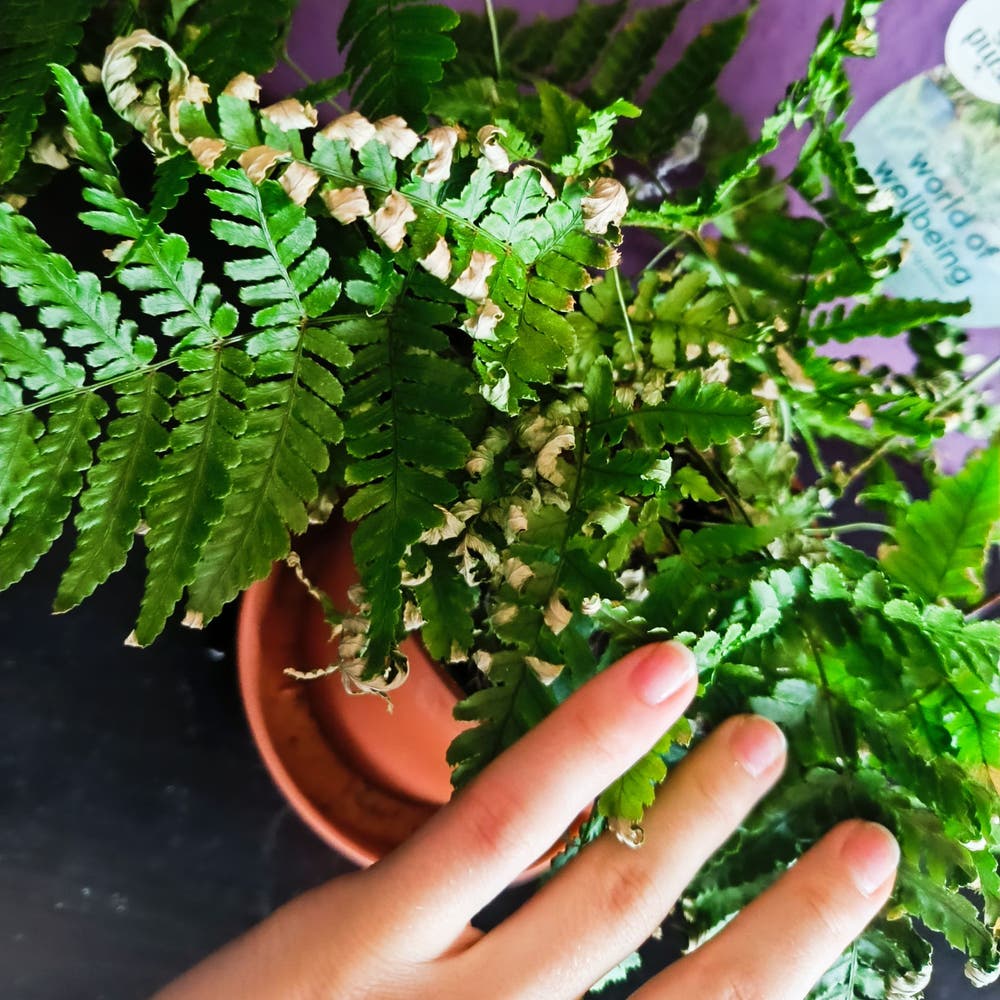
Over-fertilization can be just as harmful as deficiencies. Common mistakes include applying too much fertilizer or neglecting to consider the plant's growth stages, which can lead to issues like leaf burn and salt buildup in the soil.
🚿 How to Flush Out Excess Fertilizer
If you suspect over-fertilization, follow these steps to flush out excess nutrients:
- Water the plant thoroughly to leach out excess nutrients.
- Allow the water to drain completely to avoid root rot.
- Repeat as necessary until symptoms improve.
By staying vigilant about your fern's nutrient needs, you can ensure it thrives and remains vibrant. Next, we'll explore effective application methods to keep your fern healthy and flourishing.
⚠️ Safety First
This content is for general information and may contain errors, omissions, or outdated details. It is not medical, veterinary advice, or an endorsement of therapeutic claims.
Always consult a qualified healthcare professional before using any plant as food, medicine, or supplement.
Never eat any plant (or feed one to pets) without confirming its identity with at least two trusted sources.
If you suspect poisoning, call Poison Control (800) 222-1222, the Pet Poison Helpline (800) 213-6680, or your local emergency service immediately.
Spotted an error? Please report it here.
Nurture your Leather Fern to lush perfection 🌿 with Greg's tailored fertilization reminders and nutrient tracking, ensuring it thrives through every season!