9 Outdoor Care Tips for Leather Fern 💧
Rumohra adiantiformis
By the Greg Editorial Team
Jan 07, 2025•4 min read
This article was created with the help of AI so we can cover more plants for you. May contain errors. See one? Report it here.
- 🌞 Leather ferns thrive in 50-70% shade, avoiding direct sunlight for optimal growth.
- 💧 Water every 1-2 weeks, adjusting frequency based on weather to prevent root rot.
- 🌱 Use rich, well-draining soil with a slightly acidic pH for best results.
Sunlight Requirements
Ideal Conditions 🌤️
Leather ferns thrive in indirect sunlight, making them perfect for shaded areas. Direct sunlight can scorch their delicate fronds, so aim for 50-70% shade to keep them happy and healthy.
Signs of Improper Exposure 🚨
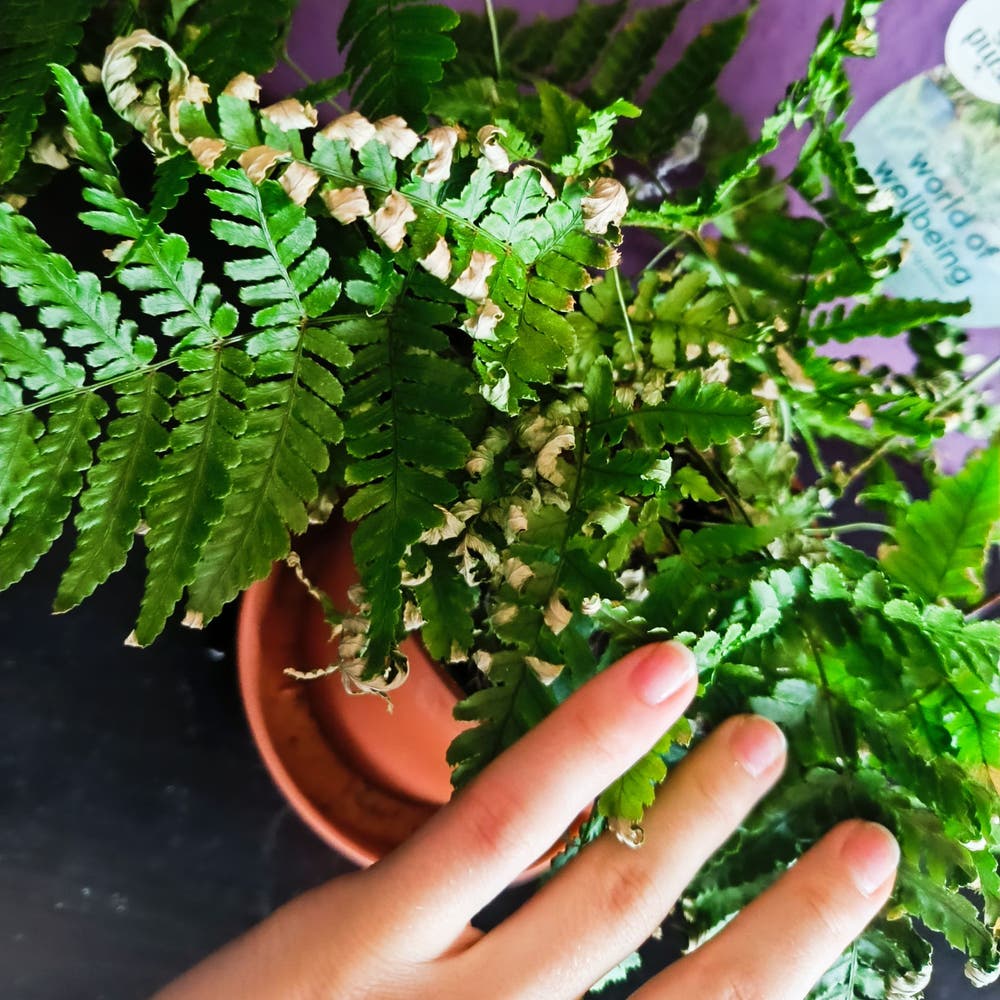
Watch for yellowing fronds, which signal that your fern is getting too much direct sunlight. Conversely, if your fern is growing leggy, it may not be receiving enough light to flourish.
Understanding these sunlight requirements is crucial for maintaining the health of your leather fern. Proper light exposure not only enhances growth but also ensures vibrant, lush foliage.
Watering Needs and Frequency
General Guidelines 🌧️
Leather ferns thrive when their soil remains consistently moist, but be cautious—waterlogged conditions can lead to root rot. Aim to water every 1-2 weeks, adjusting based on the weather; hotter days may require more frequent hydration.
Seasonal Adjustments 🌡️
During hot, dry spells, increase your watering routine to keep your fern happy and hydrated. Conversely, as temperatures drop in cooler months, scale back your watering to prevent excess moisture that can harm the roots.
By understanding these watering needs, you can ensure your leather fern remains lush and vibrant throughout the seasons. Next, let’s explore the ideal soil preferences and fertilization techniques to further support your fern’s growth.
Soil Preferences and Fertilization
Ideal Soil Composition 🌱
Leather ferns thrive in well-draining, rich organic soil that maintains a slightly acidic pH between 5.5 and 6.5. For the best results, consider a soil mix of 2 parts peat moss, 1 part perlite, and 1 part compost to provide the perfect balance of moisture retention and drainage.
Fertilization Schedule 🗓️
To keep your leather fern healthy and vibrant, fertilize every 4-6 weeks during the growing season, which spans spring and summer. Opt for a balanced, water-soluble fertilizer like a 10-10-10 NPK formula or go for organic options such as fish emulsion to nourish your plant naturally.
By ensuring the right soil composition and a consistent fertilization schedule, your leather fern will flourish, showcasing its lush, green fronds. Next, let’s explore the best planting options and protective measures to keep your fern thriving outdoors.
Planting Options and Protection
🌱 Container vs. Ground Planting
Container Planting
Container planting offers flexibility in placement, allowing you to move your leather fern to find the perfect light conditions. However, it does come with limited root space, meaning you'll need to monitor soil moisture more frequently.
Ground Planting
On the other hand, ground planting provides ample space for root expansion and benefits from natural moisture retention. The trade-off is less control over soil conditions and a higher risk of pest invasions.
☔️ Weather Protection Strategies
To protect your leather fern from extreme weather, consider using mulch around the base. This helps insulate roots and retain moisture, ensuring your plant stays healthy.
Additionally, during intense heat, a shade cloth can be a lifesaver. It shields your fern from scorching sun while still allowing some light to filter through.
By choosing the right planting method and implementing effective protection strategies, you can ensure your leather fern thrives in any environment. Next, let’s explore the seasonal care and climate considerations that will keep your fern flourishing year-round.
Seasonal Care and Climate Considerations
🌦️ Seasonal Changes Impact
Temperature and humidity fluctuations can significantly affect the growth of your leather fern. Understanding these changes helps you adjust care routines to keep your plant thriving.
❄️ Winter Care Tips
During winter, protecting your leather fern from frost is crucial. Use frost cloths or move containers indoors to shield them from harsh conditions.
To prevent root rot, reduce your watering frequency in cooler months. This adjustment ensures your fern remains healthy without excess moisture.
🌍 Adjusting Care by Climate Zone
Leather ferns thrive in USDA zones 9-11, making them sensitive to frost. If you live in these zones, be mindful of the temperature drops and adjust your care accordingly.
Tailor your watering and fertilization schedules based on local climate conditions. This customization helps your fern flourish, regardless of seasonal changes.
With these seasonal care tips, you can ensure your leather fern remains vibrant and healthy throughout the year. Next, let’s explore the best soil preferences and fertilization strategies to support its growth.
⚠️ Safety First
This content is for general information and may contain errors, omissions, or outdated details. It is not medical, veterinary advice, or an endorsement of therapeutic claims.
Always consult a qualified healthcare professional before using any plant as food, medicine, or supplement.
Never eat any plant (or feed one to pets) without confirming its identity with at least two trusted sources.
If you suspect poisoning, call Poison Control (800) 222-1222, the Pet Poison Helpline (800) 213-6680, or your local emergency service immediately.
Spotted an error? Please report it here.
Keep your leather fern lush and thriving 🌿 by using Greg's personalized care plans and watering reminders tailored to its unique needs!