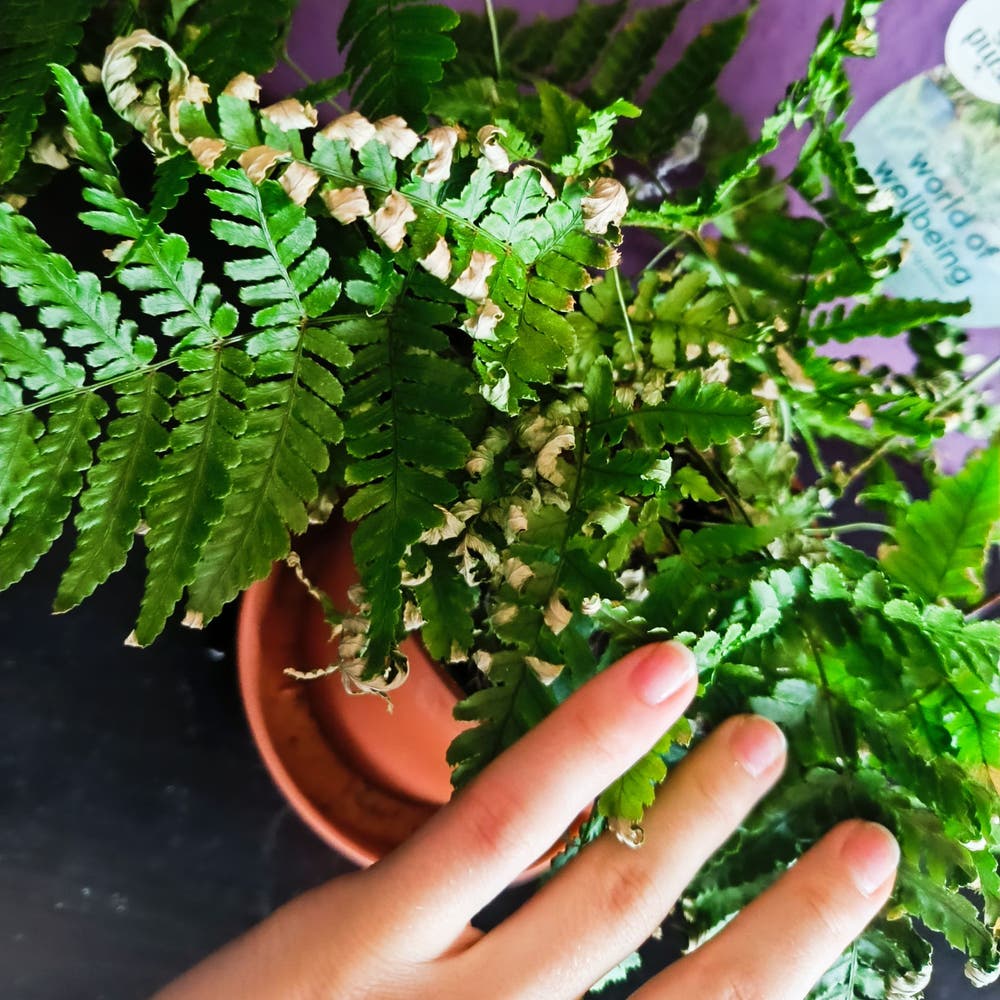
🍂 Managing Leaf Drop on Your Leather Fern
Rumohra adiantiformis
By the Greg Editorial Team
Oct 19, 2024•5 min read
This article was created with the help of AI so we can cover more plants for you. May contain errors. See one? Report it here.
- 🌡️ Maintain temperatures between 60°F to 75°F to prevent leaf drop.
- 💧 Monitor watering: overwatering causes mushy roots, while underwatering leads to wilting.
- 🌿 Ensure bright, indirect light; direct sunlight can scorch leaves and cause browning.
Causes of Leaf Drop
🌪️ Environmental Stressors
Sudden temperature changes can be detrimental to your Leather Fern. The ideal temperature range is between 60°F to 75°F (15°C to 24°C); anything outside this can lead to stress and leaf drop.
Drafts from windows or air conditioning units can exacerbate these issues. Keeping your fern in a stable environment is crucial for its health.
💧 Watering Issues
Overwatering is a common mistake that can lead to yellowing leaves and mushy roots. To prevent this, ensure your fern is planted in well-draining soil and regularly check moisture levels.
On the flip side, underwatering can also cause problems. Symptoms include wilting leaves and dry fronds, so maintaining consistent moisture without waterlogging is essential.
☀️ Light Conditions
Leather Ferns thrive in indirect light. Direct sunlight can scorch their leaves, leading to browning tips and eventual leaf drop.
If your fern isn't getting enough light, you might notice stunted growth and yellowing leaves. Adjusting its light exposure can make a significant difference.
💨 Humidity Levels
Humidity plays a vital role in the health of your Leather Fern. The ideal humidity range is between 50% to 70%.
Low humidity can cause leaf curling and brown edges, so it's important to monitor and adjust humidity levels as needed.
🐜 Pest Infestations
Pests can wreak havoc on your Leather Fern. Common culprits include spider mites, which leave webbing and stippled leaves, and scale insects, identifiable by sticky residue and yellowing leaves.
Regularly inspecting your plant can help catch these infestations early, allowing for timely intervention.
Understanding these causes of leaf drop is the first step in ensuring your Leather Fern remains vibrant and healthy. Next, we’ll explore how to diagnose these issues effectively.
Diagnosing Leaf Drop Issues
🌍 Assessing Environmental Conditions
Checking Light Exposure
To determine if your Leather Fern is getting the right amount of light, use a light meter or simply observe how the plant behaves. If you notice symptoms like browning leaf tips, it may be time to adjust its placement.
Measuring Humidity Levels
Humidity plays a crucial role in your fern's health. Use a hygrometer to measure the humidity, aiming for an ideal range of 50% to 70% for optimal growth.
Evaluating Watering Schedule
Regularly check the soil moisture by inserting your finger or using a moisture meter. Adjust your watering frequency based on seasonal changes and the specific needs of your fern.
🐛 Identifying Pests and Diseases
Common Pests Affecting Leather Fern
Pests can wreak havoc on your fern's health. Look for signs of infestation, such as yellowing leaves, webbing, or sticky residue, and consider using neem oil or insecticidal soap for control.
Signs of Fungal Infections
Fungal infections can also cause leaf drop. Watch for symptoms like brown spots and wilting leaves, and prevent these issues by ensuring good air circulation and avoiding overhead watering.
By carefully assessing these factors, you can effectively diagnose the causes of leaf drop in your Leather Fern. This proactive approach will help you maintain a healthy and vibrant plant. Next, let’s explore how to prevent leaf drop through ideal care conditions.
Preventing Leaf Drop
🌞 Ideal Care Conditions
Optimal Light Requirements
To keep your Leather Fern thriving, provide bright, indirect light. Direct sunlight can scorch those delicate leaves, so be sure to avoid it.
Rotate your plant periodically to ensure even growth. This simple action helps all sides receive adequate light, promoting a fuller appearance.
Maintaining Humidity Levels
Leather Ferns love humidity, ideally between 50% to 70%. To achieve this, consider using a humidifier or placing a pebble tray filled with water beneath the pot.
Regular misting can also boost humidity, especially in dry environments. Just be careful not to overdo it, as excessive moisture can lead to other issues.
Proper Watering Techniques
Water your fern when the top inch of soil feels dry. This helps prevent both overwatering and underwatering, which are common culprits of leaf drop.
Using room temperature water is key. Cold water can shock the plant, leading to stress and potential leaf loss.
🌱 Soil and Potting Considerations
Best Soil Mix for Leather Fern
A well-draining potting mix is essential for your Leather Fern's health. Combine peat moss, perlite, and orchid bark for optimal results.
Aim for a soil pH that is slightly acidic to neutral, ideally between 5.5 and 7.0. This balance supports healthy growth and prevents nutrient deficiencies.
Repotting Tips to Prevent Stress
Repot your Leather Fern every 1-2 years or when it becomes root-bound. This practice refreshes the soil and gives the roots room to grow.
Always choose a pot with drainage holes. This prevents waterlogging, which can lead to root rot and further leaf drop.
By following these preventive measures, you can create an ideal environment for your Leather Fern. This sets the stage for healthy growth and minimizes the risk of leaf drop, ensuring your plant remains vibrant and lush.
Next, let’s explore how to treat leaf drop effectively when it occurs.
Treating Leaf Drop
🌊 Immediate Actions to Take
Adjusting Watering Practices
If your Leather Fern is overwatered, allow the soil to dry out before resuming watering. For underwatered ferns, soak the plant thoroughly and let any excess water drain away.
Increasing Humidity
To boost humidity, consider implementing a humidity tray or using a humidifier. Grouping plants together can also create a beneficial microclimate, enhancing moisture levels.
Relocating the Plant for Optimal Light
If leaf drop is due to insufficient light, move your fern to a brighter location with filtered light. Remember to avoid sudden changes; acclimate the plant gradually to prevent shock.
🌱 Long-term Care Strategies
Regular Monitoring of Plant Health
Make it a habit to check for signs of stress or pests weekly. Adjust your care routines based on seasonal changes to keep your fern thriving.
Seasonal Adjustments in Care
In winter, increase humidity levels when indoor air tends to be drier. During the dormant season, reduce watering frequency to match the plant's lower activity levels.
By implementing these immediate actions and long-term strategies, you can effectively manage leaf drop and ensure your Leather Fern remains healthy and vibrant. Next, let’s explore how to prevent leaf drop from occurring in the first place.
⚠️ Safety First
This content is for general information and may contain errors, omissions, or outdated details. It is not medical, veterinary advice, or an endorsement of therapeutic claims.
Always consult a qualified healthcare professional before using any plant as food, medicine, or supplement.
Never eat any plant (or feed one to pets) without confirming its identity with at least two trusted sources.
If you suspect poisoning, call Poison Control (800) 222-1222, the Pet Poison Helpline (800) 213-6680, or your local emergency service immediately.
Spotted an error? Please report it here.
Keep your Leather Fern thriving 🌿 by using Greg for tailored care reminders that help you maintain the perfect environment and prevent leaf drop!