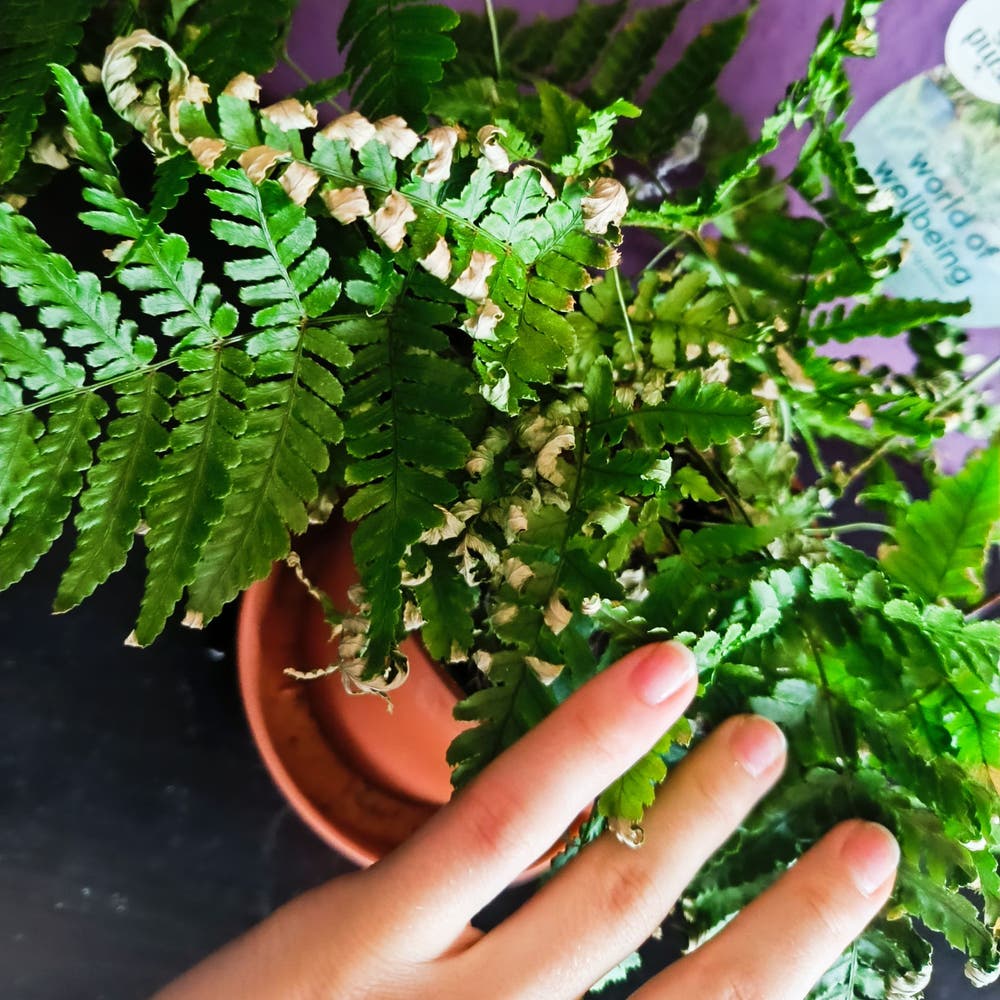
Leather Fern Is a Perennial
Rumohra adiantiformis
By the Greg Editorial Team
Jan 07, 2025•6 min read
This article was created with the help of AI so we can cover more plants for you. May contain errors. See one? Report it here.
- 🌱 Leather ferns thrive for years with proper care and conditions.
- 🌞🌳 They adapt to various environments, flourishing in both shade and sunlight.
- ❄️ Winter dormancy leads to leaf drop; healthy roots ensure spring regrowth.
Characteristics of Leather Fern as a Perennial
Multi-Year Lifecycle 🌱
Leather ferns are remarkable perennials, thriving through various seasons with ease. Their ability to survive year after year is rooted in their robust root systems, which allow them to regrow each spring.
These ferns showcase unique growth patterns that are truly captivating. With lush, leathery fronds, they not only add beauty to any garden but also demonstrate impressive adaptability to different environments.
Their resilience makes them a favorite among gardeners looking for low-maintenance greenery. Whether in shaded woodlands or sunny gardens, leather ferns can flourish, bringing life and texture to diverse landscapes.
In summary, the leather fern's multi-year lifecycle and adaptability make it an exceptional choice for perennial planting. As we explore further, we'll delve into the seasonal changes and dormancy that these ferns experience, shedding light on their fascinating life cycle.
Seasonal Changes and Dormancy
🌱 Dormancy Periods
Leather ferns typically enter a dormancy period during the winter months. During this time, you may notice signs such as leaf drop and slowed growth, indicating that the plant is conserving energy.
🌡️ Seasonal Changes and Their Impact
Temperature fluctuations and varying light availability can significantly impact leather ferns. As the seasons change, these ferns adapt by employing energy conservation strategies, which are crucial for their survival.
🌳 Importance of Root System Retention
Maintaining a healthy root system is vital during dormancy. The roots store energy and nutrients, ensuring that the fern can regrow once the warmer months return.
💤 Adaptations During Dormancy
Leather ferns have developed unique adaptations to thrive in dormancy. They slow down metabolic processes, allowing them to survive harsh conditions while preparing for the next growth cycle.
Understanding these seasonal changes helps gardeners anticipate the needs of their leather ferns. By recognizing the signs of dormancy and the plant's adaptations, you can provide better care and ensure a vibrant return in spring.
As we move forward, let’s explore the advantages of the perennial nature of leather ferns and how they can benefit your garden.
Advantages of Perennial Nature
🌱 Benefits of Reduced Replanting
One of the standout advantages of leather fern being a perennial is the significant reduction in replanting efforts. This not only saves you money but also frees up valuable time in garden maintenance.
🌳 Established Root Systems
Leather ferns develop robust root systems that enhance their drought resistance and nutrient uptake. These established roots play a crucial role in maintaining soil health.
Contributions to Soil Health
- Prevention of Erosion: The deep roots of leather ferns help anchor the soil, reducing erosion caused by wind and water.
- Soil Structure Improvement: Their growth contributes to better soil structure, promoting a healthier ecosystem for other plants.
By incorporating leather ferns into your garden, you not only enjoy their beauty but also contribute positively to the environment. This makes them an excellent choice for sustainable gardening practices.
As we explore the lifespan and longevity factors of leather ferns, you'll see how these plants continue to thrive and benefit your garden over the years.
Lifespan and Longevity Factors
Expected Lifespan 🌱
Leather ferns can thrive for several years, typically ranging from 5 to 10 years under optimal conditions. With proper care, some specimens may even exceed this lifespan, showcasing their resilience.
Influencing Factors 🌍
The longevity of leather ferns is influenced by several environmental factors. Soil quality plays a crucial role; well-draining, nutrient-rich soil promotes healthy growth.
Light exposure is another key element. Leather ferns prefer indirect sunlight, and too much direct light can hinder their development.
Moisture levels are equally important. Consistent watering, without waterlogging, helps maintain their health and vitality.
Care practices also significantly impact lifespan. Regular fertilization can boost growth, while a consistent watering schedule ensures they receive adequate hydration.
Pest management is essential for preventing infestations that could shorten their lifespan. Keeping an eye out for common pests will help maintain the health of your leather fern.
In summary, by understanding and managing these factors, you can enhance the longevity of your leather fern, ensuring it remains a vibrant part of your garden for years to come.
Next, let’s explore how climate variations and growing conditions can further influence the growth and health of leather ferns.
Climate Variations and Growing Conditions
Variations in Behavior Across Climate Zones 🌍
Leather ferns exhibit distinct growth patterns depending on the climate. In warm climates, they thrive with rapid growth, producing lush fronds that can reach impressive heights.
Conversely, in cooler climates, their growth slows significantly. Here, leather ferns adapt by becoming more compact and resilient, ensuring survival through harsher conditions.
Impact of Growing Conditions 🌱
Soil type and quality play a crucial role in the health of leather ferns. Well-draining, nutrient-rich soil promotes vigorous growth, while poor soil can stunt their development.
Temperature also significantly affects their performance. Leather ferns show remarkable cold tolerance, allowing them to survive frost, but they can struggle with heat stress in excessively hot conditions.
Understanding these climate variations and growing conditions is essential for successful cultivation. By tailoring care practices to your specific environment, you can maximize the benefits of these resilient perennials.
Next, let’s explore how to maximize the advantages of leather ferns in your garden planning.
Maximizing Benefits in Garden Planning
🌱 Tips for Incorporating in Garden Design
When planning your garden, consider the strategic placement of leather ferns. They thrive in shaded areas, making them perfect for under trees or alongside taller plants.
Ensure they have enough space to spread out, as their lush fronds can create a stunning visual impact. Grouping them with other perennials can enhance biodiversity and create a vibrant ecosystem.
📈 Long-Term Cultivation Strategies
Maintaining leather ferns requires minimal effort, but a few practices can enhance their growth. Regularly check for signs of stress, such as yellowing leaves, and adjust watering accordingly.
Seasonal care is crucial. In spring, remove any dead fronds to encourage new growth. During the growing season, a light application of fertilizer can boost their health.
Planning for expansion is also essential. Leather ferns can be propagated through division, ideally in early spring or fall. This not only helps manage their spread but also revitalizes the plant.
By incorporating these strategies, you can maximize the benefits of leather ferns in your garden, ensuring they thrive for years to come.
⚠️ Safety First
This content is for general information and may contain errors, omissions, or outdated details. It is not medical, veterinary advice, or an endorsement of therapeutic claims.
Always consult a qualified healthcare professional before using any plant as food, medicine, or supplement.
Never eat any plant (or feed one to pets) without confirming its identity with at least two trusted sources.
If you suspect poisoning, call Poison Control (800) 222-1222, the Pet Poison Helpline (800) 213-6680, or your local emergency service immediately.
Spotted an error? Please report it here.
Keep your leather ferns thriving for years 🌿 with Greg's tailored care tips and watering reminders that make plant parenting a breeze!