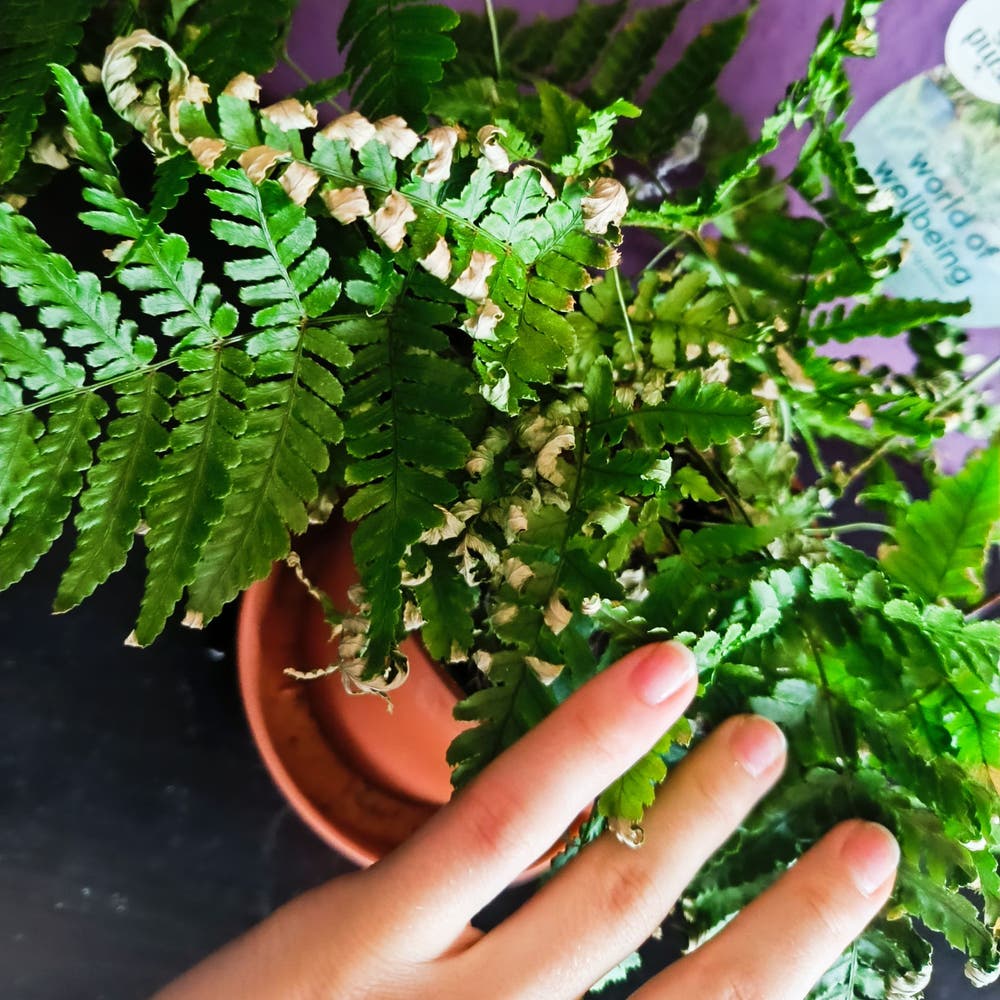
7 Common Leather Fern Flowering Issues 🌸
Rumohra adiantiformis
By the Greg Editorial Team
Oct 19, 2024•5 min read
This article was created with the help of AI so we can cover more plants for you. May contain errors. See one? Report it here.
- 🌞 Optimal indirect light is crucial; direct sunlight harms Leather Fern blooms.
- 🌱 Balanced fertilization every 4-6 weeks supports vibrant flowering in Leather Ferns.
- 🌬️ Stable humidity and temperature prevent disruptions in the bloom cycle.
Failure to Bloom
🌞 Potential Causes
Light Requirements
Insufficient indirect light can significantly hinder the bloom cycle of your Leather Fern. Direct sunlight, on the other hand, can damage fronds and negatively impact spore case production.
Nutritional Needs
A lack of essential nutrients can affect the overall health of your fern, leading to poor flowering. Balanced fertilization is crucial for promoting vibrant blooms in ferns.
Environmental Stress
Leather Ferns are sensitive to fluctuations in humidity and temperature. Stress from these environmental changes can disrupt the bloom cycle and hinder spore case formation.
💡 Solutions
Adjusting Light Exposure
To encourage blooming, ensure your fern receives optimal indirect light. Consider using sheer curtains or relocating your plant to a brighter spot to improve light quality and duration.
Fertilization Strategies
Utilize fertilizers rich in nitrogen, phosphorus, and potassium to support flowering. A suggested fertilization schedule includes feeding your fern every 4-6 weeks during the growing season to enhance its bloom cycle.
By addressing these potential causes and implementing effective solutions, you can help your Leather Fern thrive and bloom beautifully. Next, let’s explore the issue of premature flower drop and how to prevent it.
Premature Flower Drop
🥴 Causes
Overwatering
Overwatering is a common culprit behind premature flower drop in Leather Ferns. Signs include yellowing leaves and wilting, which can severely hinder flower development.
Moisture levels play a crucial role; excessive water can lead to root rot, causing buds to drop before they bloom.
Temperature Fluctuations
Sudden temperature changes can also disrupt the flowering process. Leather Ferns thrive in stable environments, and drastic shifts can stress the plant.
The ideal temperature range for these ferns is between 65°F and 75°F. Staying within this range helps prevent flower drop.
🛠️ Solutions
Proper Watering Techniques
To maintain appropriate moisture levels, water your Leather Fern when the top inch of soil feels dry. This ensures the plant receives enough hydration without drowning its roots.
Be mindful of the signs: underwatering leads to crispy leaves, while overwatering results in mushy, yellowing foliage.
Maintaining Stable Temperatures
Creating a stable environment is essential for healthy flowering. Keep your fern away from drafts and heating vents to avoid temperature fluctuations.
Consider using a thermometer to monitor the area around your fern. This simple step can make a significant difference in preventing premature flower drop.
By addressing these causes and implementing effective solutions, you can help your Leather Fern thrive and enjoy its beautiful blooms. Next, let’s explore abnormal flower development and how to tackle it effectively.
Abnormal Flower Development
🌱 Causes
Nutrient Deficiencies
Healthy flower development in Leather Ferns hinges on key nutrients. A lack of essential elements like nitrogen, phosphorus, and potassium can lead to stunted growth and poor flowering.
Symptoms of nutrient imbalances often manifest as yellowing leaves or distorted flowers. If your fern isn't thriving, it might be crying out for a nutrient boost.
Pest Infestations
Pests can wreak havoc on your Leather Fern, disrupting its flowering cycle. Common culprits include aphids and spider mites, which can sap the plant's vitality.
Look for signs of infestation, such as webbing or discolored leaves. These indicators often point to abnormal flower development and should be addressed promptly.
🛠️ Solutions
Correcting Nutrient Imbalances
To improve soil health, consider adding organic amendments like compost or well-rotted manure. These not only enrich the soil but also promote a thriving ecosystem for your fern.
Regular soil testing is crucial for monitoring nutrient levels. This proactive approach helps you catch deficiencies before they impact your fern's flowering.
Pest Control Methods
For pest management, both organic and chemical options are available. Neem oil and insecticidal soaps are effective organic choices that can help keep your fern pest-free.
Preventative measures are equally important. Regularly inspect your plants and maintain good air circulation to deter infestations before they start.
Understanding these factors can significantly enhance your Leather Fern's flowering potential. With the right care, your fern can flourish beautifully, setting the stage for the next topic on nutritional factors affecting flowering.
Nutritional Factors Affecting Flowering
🌱 Essential Nutrients
To thrive, Leather Ferns need a balanced mix of macronutrients and micronutrients. These nutrients play a vital role in promoting healthy flowering and overall plant vitality.
Macronutrients include nitrogen, phosphorus, and potassium.
- Nitrogen is crucial for leaf growth and overall plant health.
- Phosphorus supports root development and flowering.
- Potassium enhances the plant's resilience and improves flower quality.
Deficiencies in any of these can lead to poor flowering and stunted growth. Regularly checking nutrient levels can help maintain a healthy balance.
📅 Recommended Fertilization Schedule
Timing and frequency of fertilization are key to achieving optimal results. A well-planned fertilization schedule can significantly enhance flowering in Leather Ferns.
- Spring and Summer are the best times to fertilize, as this is when the plant is actively growing.
- Use a balanced fertilizer every 4-6 weeks during the growing season.
Opt for slow-release fertilizers or liquid options that are specifically formulated for ferns. This ensures that your plants receive the nutrients they need without overwhelming them.
By focusing on these nutritional factors, you can create an environment where your Leather Ferns not only survive but thrive, leading to beautiful blooms.
Next, let’s explore how to tackle premature flower drop and keep your ferns flourishing.
⚠️ Safety First
This content is for general information and may contain errors, omissions, or outdated details. It is not medical, veterinary advice, or an endorsement of therapeutic claims.
Always consult a qualified healthcare professional before using any plant as food, medicine, or supplement.
Never eat any plant (or feed one to pets) without confirming its identity with at least two trusted sources.
If you suspect poisoning, call Poison Control (800) 222-1222, the Pet Poison Helpline (800) 213-6680, or your local emergency service immediately.
Spotted an error? Please report it here.
Keep your Leather Fern thriving and blooming beautifully 🌱 with Greg's tailored care reminders that ensure optimal light, nutrition, and a stable environment!