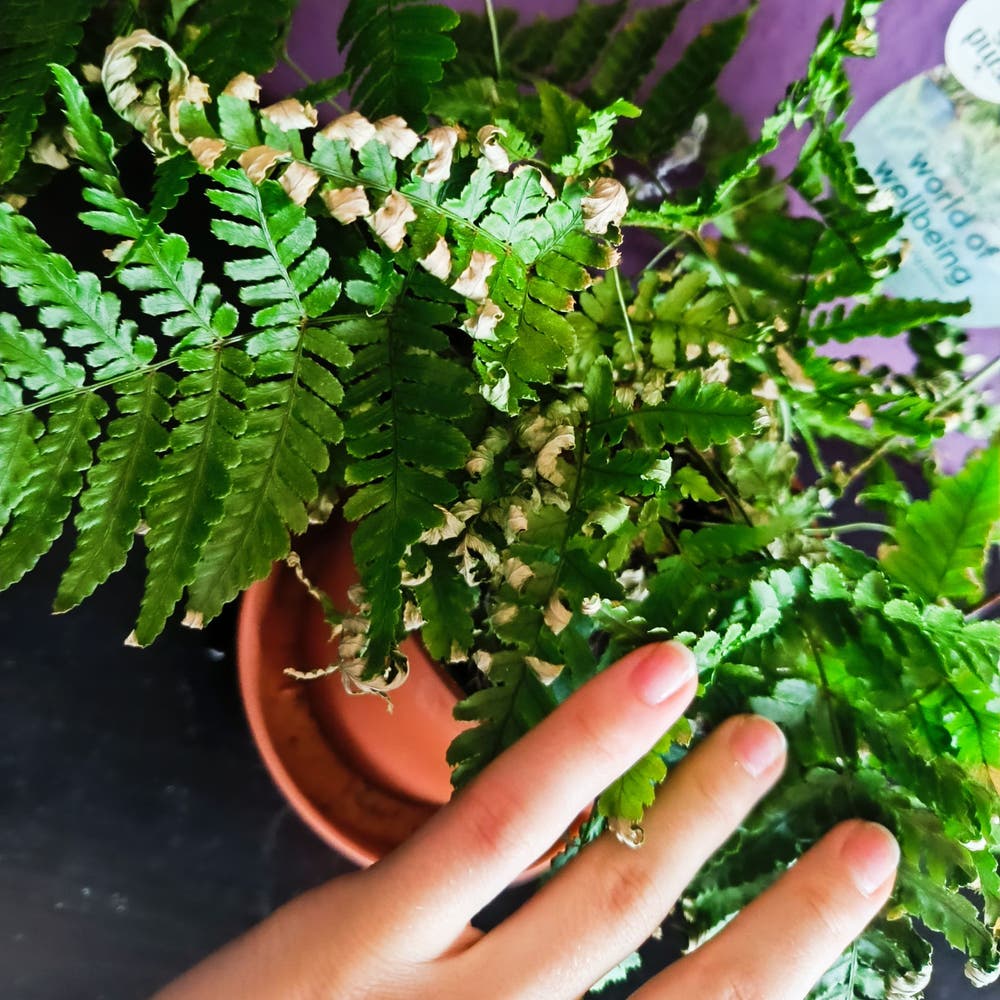
Optimal Hardiness Zones for Leatherleaf Fern: 9a-11b 🌿
Rumohra adiantiformis
By the Greg Editorial Team
Nov 22, 2024•5 min read
This article was created with the help of AI so we can cover more plants for you. May contain errors. See one? Report it here.
- 🌡️ Leatherleaf ferns thrive in USDA zones 9a-11b, ideal for warm climates.
- ❄️ Protect from frost; they tolerate down to 20°F but need care.
- 🌿 High humidity and filtered light are essential for vibrant growth.
Leatherleaf Fern Temperature Tolerance
❄️ Cold Tolerance Specifics
Leatherleaf ferns are surprisingly resilient, with a minimum temperature tolerance down to 20°F (-6°C). This cold hardiness allows them to survive in various climates, but they still need protection from extreme cold.
Frost can be detrimental to Leatherleaf ferns. Signs of frost damage include wilting fronds, discoloration, and a general decline in vigor. To safeguard your ferns, consider covering them with frost cloth or moving potted plants indoors during cold snaps.
🔥 Heat Tolerance Specifics
On the flip side, Leatherleaf ferns thrive in warmer conditions, with a maximum temperature tolerance around 95°F (35°C). However, excessive heat can lead to scorched fronds and stunted growth.
Humidity plays a crucial role in hot weather. Maintaining a humid environment helps prevent stress on the ferns, ensuring they remain lush and vibrant even during peak summer temperatures.
🌱 Ideal Temperature Ranges for Optimal Growth
For optimal growth, Leatherleaf ferns prefer temperatures between 60°F and 80°F (15°C to 27°C). This range promotes healthy development and vibrant foliage.
Temperature fluctuations can impact growth significantly. Sudden changes may stress the plant, so it's essential to monitor conditions closely, especially during seasonal transitions. Understanding these dynamics will help you create the best environment for your ferns.
Ideal Regions for Leatherleaf Fern
🌎 Examples of US States in Zones 9a-11b
Leatherleaf ferns thrive in USDA hardiness zones 9a to 11b, which encompass a variety of warm climates. Notable states include:
- California: Particularly in coastal areas and the southern regions.
- Florida: The entire state offers ideal conditions, especially in the central and southern parts.
- Texas: Favorable in the southeastern regions, where humidity is higher.
- Louisiana: The warm, humid climate is perfect for these ferns.
- Hawaii: Naturally suited due to its tropical environment.
These states provide the warmth and moisture that leatherleaf ferns crave, making them excellent choices for cultivation.
🌱 Factors Contributing to Ideal Growing Conditions
The success of leatherleaf ferns in these regions is no accident; several factors play a crucial role.
Climate Characteristics
Leatherleaf ferns flourish in climates characterized by:
- Humidity: High humidity levels help maintain moisture in the fronds.
- Rainfall: Consistent rainfall supports their water needs.
- Temperature Stability: Mild temperatures without drastic fluctuations promote healthy growth.
Soil Conditions
Soil quality is equally important. Leatherleaf ferns prefer:
- Well-drained Soil: This prevents root rot and allows for healthy growth.
- Rich Organic Matter: Nutrient-rich soil supports robust frond development.
Natural Habitat Similarities
These ferns naturally grow in shaded environments, often found in:
- Forest Understories: They thrive under the canopy, benefiting from filtered light.
- Shaded Areas: Locations that mimic their natural habitat provide the best conditions for growth.
Understanding these factors can help you create the perfect environment for your leatherleaf ferns, ensuring they thrive beautifully in your garden.
As we explore further, let’s dive into how microclimates can enhance the growing potential of leatherleaf ferns beyond typical hardiness zones.
Microclimates and Their Impact
🌦️ Definition and Formation of Microclimates
Microclimates are localized areas where the climate differs from the surrounding region. They can form due to various factors, including topography, vegetation, and man-made structures.
Topography plays a significant role; for instance, valleys may trap cold air, while hills can create warmer pockets. Vegetation, such as trees and shrubs, can provide shade and moisture, influencing temperature and humidity levels.
🌱 Extending the Growing Range
Microclimates can create ideal conditions for plants like the Leatherleaf Fern, even outside their typical hardiness zones. For example, a shaded garden corner may maintain a cooler temperature, allowing ferns to thrive.
These localized environments often moderate temperatures and retain humidity, which is crucial for the health of Leatherleaf Ferns. By understanding and utilizing microclimates, gardeners can successfully extend the growing range of these beautiful ferns.
As we explore the specific states suitable for Leatherleaf Fern, consider how microclimates can enhance your gardening efforts.
State-Level Suitability Analysis
🌿 Suitable US States for Leatherleaf Fern
Leatherleaf ferns thrive in warm, humid climates, making several US states ideal for their growth. Notable states include:
- California: The coastal regions offer mild temperatures and ample moisture, perfect for these ferns.
- Florida: With its tropical climate, Florida provides the warmth and humidity that Leatherleaf ferns crave.
- Texas: Particularly in the eastern part, Texas has the right balance of heat and moisture.
- Louisiana: The humid subtropical climate supports lush growth, making it a great home for Leatherleaf ferns.
These states boast well-drained, rich organic soils that enhance the ferns' growth potential.
❌ Unsuitable US States and Reasons
Not all states are conducive to growing Leatherleaf ferns. Here are some unsuitable options:
- North Dakota: Cold temperatures and harsh winters make it impossible for these ferns to survive.
- Montana: Similar to North Dakota, Montana experiences extreme cold and frost risks.
- Maine: The long, cold winters and short growing seasons are detrimental to Leatherleaf ferns.
These states face challenges like frost and low temperatures, which hinder the ferns' growth and survival.
❄️ Frost Dates and Their Implications
Understanding frost dates is crucial for successful planting. The first and last frost dates can significantly impact when to plant Leatherleaf ferns.
- Typical Frost Dates: In suitable states like Florida and California, the last frost often occurs in late March or early April, allowing for an extended growing season.
- Implications: Planting too early can expose ferns to frost damage, while planting too late may limit their growth potential.
To protect against unexpected frosts, consider these strategies:
- Monitor Weather Reports: Stay updated on local forecasts to anticipate frost threats.
- Use Frost Covers: Employ protective covers during cold snaps to shield your ferns.
- Timing is Key: Aim to plant after the last frost date to ensure optimal growth conditions.
With the right timing and care, Leatherleaf ferns can flourish in suitable states, enhancing your garden's beauty.
⚠️ Safety First
This content is for general information and may contain errors, omissions, or outdated details. It is not medical, veterinary advice, or an endorsement of therapeutic claims.
Always consult a qualified healthcare professional before using any plant as food, medicine, or supplement.
Never eat any plant (or feed one to pets) without confirming its identity with at least two trusted sources.
If you suspect poisoning, call Poison Control (800) 222-1222, the Pet Poison Helpline (800) 213-6680, or your local emergency service immediately.
Spotted an error? Please report it here.
Keep your Leatherleaf ferns thriving 🌿 in their ideal zones with Greg's tailored care reminders and frost protection tips to ensure they flourish all year round!