Why Are the Leaves on My Leatherleaf Fern Turning Yellow?
Rumohra adiantiformis
By the Greg Editorial Team
Jun 15, 2024•8 min read
This article was created with the help of AI so we can cover more plants for you. May contain errors. See one? Report it here.
- 🍂 Natural aging or care issues cause yellow leaves on Leatherleaf Ferns.
- 💧🌤️ Balance water, light, and humidity to prevent yellowing.
- 🌱 Monitor nutrients and soil health for vibrant green leaves.
Diagnosing Yellowing Leaves on Leatherleaf Fern
🌿 Natural Aging or Care Issue?
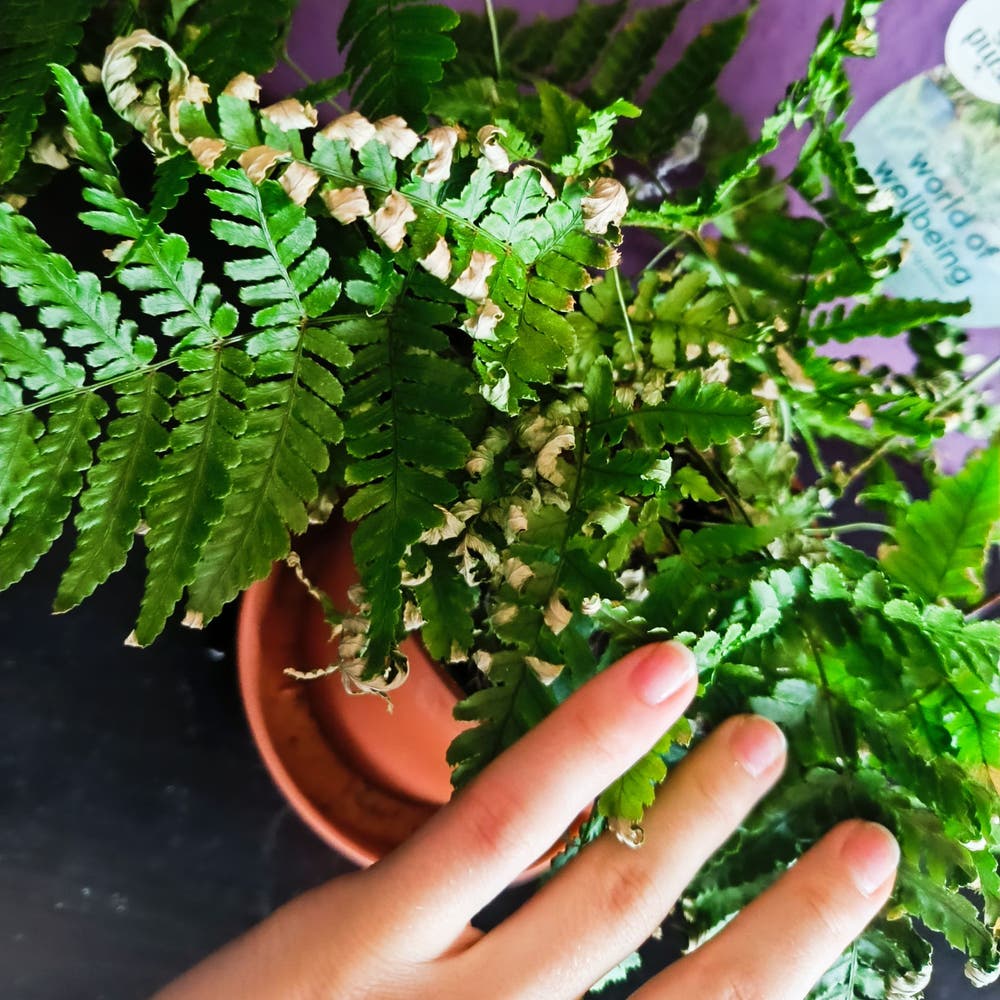
Yellowing leaves on a Leatherleaf Fern can be misleading. If it's just the oldest fronds turning yellow, you're likely witnessing a natural retirement party. But if yellowing is widespread, it's time to don your detective hat.
🚨 Signs of Stress
Uneven coloring and brittle texture are the fern's distress flares. Look for yellowing starting at the tips or edges, and consider the plant's recent history—has it been moved, watered inconsistently, or exposed to temperature swings? These are all potential stressors.
🚰 Overwatering vs. Underwatering
A classic plant conundrum: too much or too little? Overwatering leads to soggy roots and yellow leaves, while underwatering results in dry, crispy edges. Aim for that sweet spot—moist, but not waterlogged soil.
🌞 Light Levels
Leatherleaf Ferns enjoy a good read by indirect light, but direct sun is a no-no. Pale leaves suggest a sunburn, while dark, soft spots hint at a lack of photons for photosynthesis.
🌡️ Temperature and Humidity
These ferns aren't fans of the drafty window seat. Keep them in a consistent environment with high humidity to avoid yellowing from temperature and moisture stress.
🐜 Pests and Diseases
Unwanted guests can turn leaves yellow quicker than a lemon ripens. Regularly inspect for pests and treat with insecticidal soap or neem oil as needed. Remove any diseased leaves and promote good air circulation.
🍽️ Nutrient Deficiency
Yellow leaves might also be crying out for a balanced meal. A water-soluble fertilizer can help, but remember—overfeeding can be just as harmful as neglect.
Remember, the Leatherleaf Fern isn't just being dramatic—yellow leaves are a cry for help. Listen closely, and you'll hear exactly what it needs.

Optimizing Watering Practices for Leatherleaf Fern
Identifying and correcting overwatering and underwatering symptoms is crucial for the health of your Leatherleaf Fern.
💧 Overwatering Symptoms
Yellowing leaves and wilted stems are telltale signs of too much love in the water department. If your fern's feet are constantly wet, you're inviting root rot to the party, and trust me, it's a terrible guest.
🏜️ Underwatering Symptoms
On the flip side, leaves that are brittle and brown scream neglect. Your fern might be drought-tolerant, but it's not a cactus. It still needs a drink now and then.
Best Practices for Watering
💦 Consistency is Key
Aim for soil that's like your favorite chocolate cake—moist but not soggy. Use your finger as a makeshift soil moisture meter; if the top inch feels dry, it's time to water.
🚰 Drainage is Your Friend
Ensure your pot has drainage holes and use a well-draining potting mix. This isn't a swimming pool; excess water needs an escape route.
💧 Watering Technique Matters
Water from the base to avoid a moldy disaster. Think of it as watering the roots, not the leaves.
👀 Monitor and Adjust
Keep an eye on your fern's response after watering. If it perks up, you've hit the sweet spot. If it looks more dismal than before, reassess your approach.
Remember, when it comes to watering your Leatherleaf Fern, it's not about following a strict schedule. It's about observing and responding to your plant's needs. Keep it balanced, and your fern will reward you with a lush, green display free of yellow drama.

Creating an Optimal Growing Environment
⛅️ Balancing Light Exposure
Bright, indirect light is the sweet spot for Leatherleaf Ferns. Direct sunlight is the nemesis of these plants, causing leaves to yellow as if they were left in a bleach bath. To prevent this, place your fern in a location where the sun is filtered through a curtain or where the light is dappled. This might mean moving your plant around as the seasons change to avoid the harsh midday sun.
🌡️ Temperature and Humidity Levels
Leatherleaf Ferns don't just want to survive; they want to thrive. They prefer temperatures that are steady and comfortable, between 60 and 80 degrees Fahrenheit. Avoid placing your plant near drafts or vents where sudden temperature changes are more thrilling than a plot twist in a mystery novel.
Humidity is like a secret sauce for these ferns. They love it. If your air is drier than a stand-up comedian's wit, consider using a humidifier or setting up a pebble tray to keep the moisture levels up. It's like giving your plant a constant backstage pass to its favorite humid rock concert.
💨 Air Circulation
Good air circulation is crucial, but it's a balancing act. You want to avoid still, stagnant air that can lead to fungal issues, but you also don't want to create a wind tunnel. A gentle, occasional breeze that doesn't make the leaves flap like a flag in a storm is ideal. This can be achieved with a ceiling fan on low or by strategic placement in a room with natural airflow.
Remember, the goal is to create a microclimate that makes your Leatherleaf Fern feel like it's on a permanent vacation in its native habitat. Adjusting these environmental factors is key to preventing yellow leaves and ensuring your plant performs like a star.

Nutrient Management and Soil Health
Understanding the role of nutrients in leaf coloration is key to preventing yellow leaves. Nitrogen, iron, potassium, and magnesium are the usual suspects when leaves start to look like they've lost their mojo.
🥦 The Nutrient Squad
Nitrogen is the leaf's best friend, keeping them a vibrant green. Iron deficiency targets the young leaves, turning them pale. Potassium plays it cool on the edges, while magnesium prefers a dramatic between-the-veins yellowing.
🌱 Soil Health: The Root of the Matter
Soil isn't just dirt; it's a buffet for your plants. But it's not about piling on the nutrients; balance is everything. Over-fertilizing is like overeating; it does more harm than good.
Fertilizing: Less Is More
Stick to a balanced fertilizer and don't get heavy-handed. It's a supplement, not the main course. Remember, a little goes a long way.
Soil Testing: Don't Skip This Step
Soil testing isn't just for the pros. It's like a check-up for your plant's home. Get one to ensure your soil isn't the culprit behind those yellow leaves.
Pro Tips for Soil Superstars
- Moisture matters: Water your plant before fertilizing to avoid root burn.
- Pest patrol: Keep an eye out for uninvited guests that could harm your plant's health.
- Drainage is key: Good drainage keeps root and crown rot from crashing the party.
By managing nutrients and soil health, you're setting the stage for a leafy green encore.
Monitoring and Adjusting Plant Care Routines
🔍 Importance of Regular Monitoring
Vigilance is your secret weapon in the fight against yellow leaves. Catching the early signs of distress can mean the difference between a quick recovery and a prolonged battle. Inspect your Leatherleaf Fern frequently, noting changes in leaf color and texture. It's like being a plant detective, where every clue matters.
🔄 Adjusting Care to Prevent Yellowing
When it comes to care routines, consistency is king, but flexibility is the queen. If yellow leaves start to appear, it's time to reassess your watering schedule, light exposure, and humidity levels. Think of it as tuning an instrument; even a slight adjustment can bring harmony back to your plant's life.
💧 Watering Woes
Got soggy soil? Ease off the H2O. Bone-dry dirt? It's time for a drink. Aim for moist, but not wet, soil. Remember, overwatering and underwatering are both culprits in the case of yellow leaves.
💡 Light and Temperature
If your fern is throwing shade by turning yellow, it might be getting too much sun. Conversely, a lack of light can lead to a pale, yellowish hue. Keep the light bright but indirect, and maintain a cozy room temperature to avoid giving your fern a cold shoulder.
💨 Humidity and Air Flow
Leatherleaf Ferns love a bit of a steamy environment. If the air is drier than a stand-up comedian's wit, consider a humidifier or a regular misting routine. Just ensure there's enough air flow to prevent fungal issues.
🔄 Responding to Changes
Once you've tweaked your care routine, be patient. Plants don't bounce back overnight. Look for new growth or a return to rich green color as signs of improvement. If the yellowing persists, it's time to dig deeper—literally and figuratively—into potential issues like root health or nutrient imbalances.
🍽️ Nutrient Management
Yellow leaves can scream "Feed me!" but don't go overboard with fertilizer. A balanced approach is key. Too much nitrogen? No-go. Your fern isn't running a marathon; it just needs enough to stay healthy.
🐜 Pest Patrol
Keep an eye out for uninvited guests. Mealybugs and nematodes are about as welcome as a hiccup during a speech. Spot them? Bring out the insecticidal soap or neem oil.
📝 Keeping a Log
Documenting your plant care can be as enlightening as reading an old diary. Keep a log of your plant's condition and the care adjustments you make. This historical record can help you pinpoint what works, what doesn't, and how to tailor your care to your fern's specific needs.
⚠️ Safety First
This content is for general information and may contain errors, omissions, or outdated details. It is not medical, veterinary advice, or an endorsement of therapeutic claims.
Always consult a qualified healthcare professional before using any plant as food, medicine, or supplement.
Never eat any plant (or feed one to pets) without confirming its identity with at least two trusted sources.
If you suspect poisoning, call Poison Control (800) 222-1222, the Pet Poison Helpline (800) 213-6680, or your local emergency service immediately.
Spotted an error? Please report it here.
Ensure your Leatherleaf Fern never suffers from yellow leaves again by letting Greg tailor 🌿 your care routine with precise watering reminders and environmental tips.