What Temperature Does My Leatherleaf Fern Need?
Rumohra adiantiformis
By the Greg Editorial Team
Jun 15, 2024•7 min read
This article was created with the help of AI so we can cover more plants for you. May contain errors. See one? Report it here.
- 60-75°F ideal for Leatherleaf Ferns, avoid below 50°F or above 85°F.
- Watch for distress signs: Dry or curled leaves indicate temperature issues.
- Stabilize environment: Keep away from drafts, use humidifiers, and maintain consistent location.
Optimal Temperature for Growth
Leatherleaf Ferns are picky about their climate, thriving in a sweet spot between 60-75°F (15-24°C). They're not fans of the cold; temperatures dipping below 50°F (10°C) can spell trouble. On the flip side, anything above 85°F (29°C) might as well be a sauna for these delicate fronds. Keep it cool, but not too cool—like your favorite light jacket weather.

Signs of Temperature Distress
Recognizing the symptoms of temperature distress in your Leatherleaf Fern is key to its survival.
🌡️ Too Hot to Handle
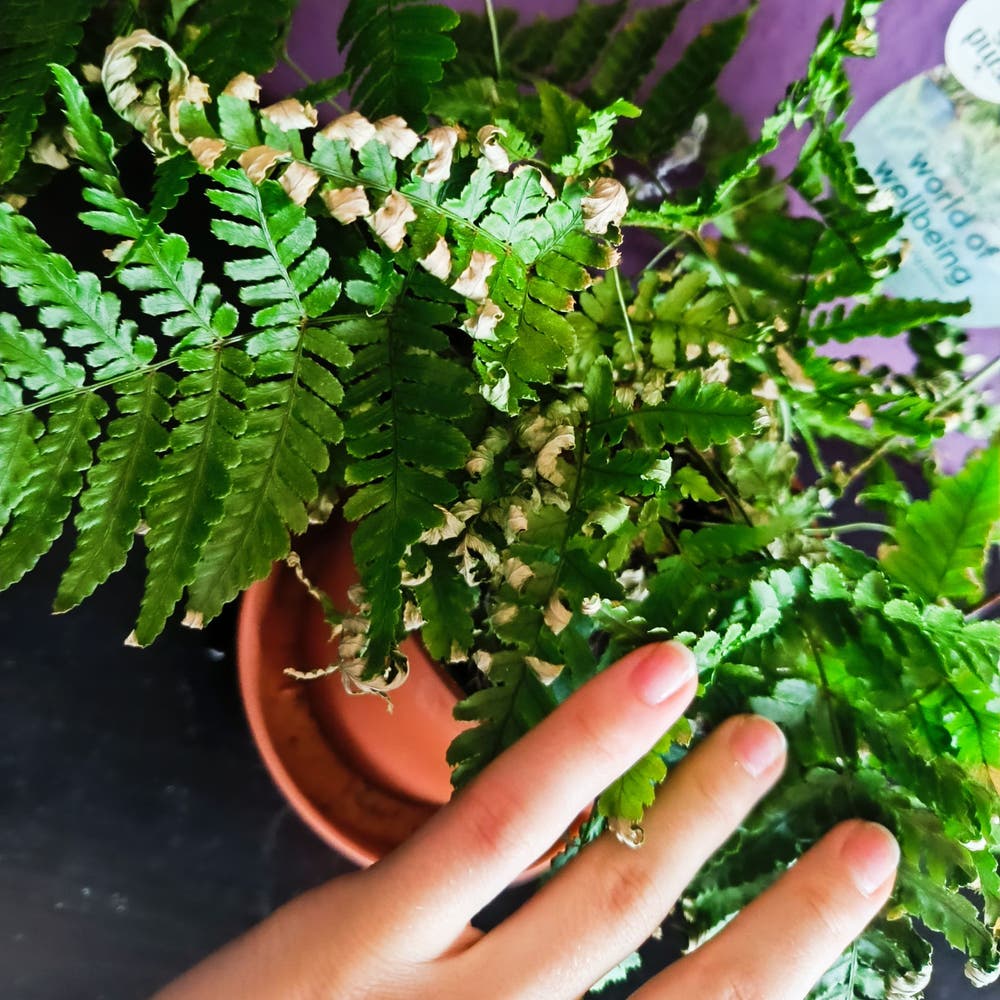
When the mercury climbs too high, your fern's leaves may crisp up, resembling a tragic bacon strip. This is a desperate plea for cooler conditions. Look out for dry, brown leaf margins, a telltale sign that your plant is baking. Leaves may also wilt, droop, or display a sunburned appearance with brown or black patches.
❄️ Chilly Reception
Conversely, if your fern is too cold, you might notice discoloration or a general leafy malaise. Leaves can become pale, yellow, or even take on a translucent quality. They might also curl inwards, trying to conserve what little warmth they have.
Immediate Steps
At the first sign of distress, act fast. If it's too hot, relocate your fern to a cooler spot, away from direct sunlight and heat sources. For cold stress, move your plant to a warmer area, away from drafts and cold windows. Monitoring the temperature around your fern is as crucial as the air it breathes. Keep it steady, keep it stable, and your Leatherleaf Fern will thank you.

Common Causes of Temperature Fluctuations
In the quest to maintain the ideal temperature for your Leatherleaf Fern, it's crucial to understand the household scenarios that can lead to unwanted thermal roller coasters.
🌡️ Direct Sources of Heat and Cold
Heating vents and radiators are notorious for cooking your ferns on one side while the other side shivers. Similarly, air conditioning units and drafty windows can blast your plant with a chill worthy of a winter's tale.
🍂 Seasonal Changes
As seasons shift, so do indoor temperatures. Your Leatherleaf Fern might experience a summer sizzle or an autumnal chill, neither of which is particularly appreciated.
🚚 Relocation Faux Pas
Moving your plant from a cozy corner to a sun-drenched sill can cause a temperature tantrum. Leatherleaf Ferns don't appreciate the shock of a new climate zone within the same room.
👤 Human Error
Let's face it, sometimes we forget that plants aren't as adaptable as we are. Cranking up the thermostat or leaving a window open can create a microclimate more volatile than the stock market.
🏠 Lack of Insulation
Poorly insulated homes can turn into saunas or ice boxes, depending on the whims of Mother Nature. Your Leatherleaf Fern might not survive the indoor climate change.
Remember, consistency is key. Avoid placing your fern in spots where it might endure the extremes of your home's microclimates. Keep it away from the fickleness of windows and the tyranny of vents. Your fern will thank you by not dropping leaves like it's going out of style.

Strategies to Stabilize Temperature
Location, location, location—it's not just a mantra for real estate, but for your Leatherleaf Fern's well-being too. Keep it in a spot where the temperature is as steady as your love for greenery, ideally between 60-75°F (15-24°C).
🎢 Avoid the Extremes
Steer clear of placing your fern near drafty windows or doors. These spots are notorious for causing the kind of temperature rollercoaster that makes your fern's fronds frown.
🐻 The Goldilocks Zone
Find that just-right spot away from radiators, air conditioners, and heat vents. These are the usual suspects when it comes to turning your plant's comfort zone into a no-go zone.
🔑 Consistency is Key
Once you've found the perfect place, resist the urge to move your fern on a whim. These plants appreciate consistency over change, so think twice before you redecorate.
📱 Tech to the Rescue
Consider investing in a thermostat that can help maintain a stable environment. It's like a security blanket for your fern, but with buttons.
💨 Humidity's BFF
Pair stable temperatures with a humidifier or a pebble tray with water to keep the air around your fern as moist as a morning in the misty mountains.
🛁 The Bathroom Bonus
If you're lucky enough to have a bathroom with natural light, it might just be the spa retreat your Leatherleaf Fern craves. The typically higher humidity and stable temperatures can be a match made in heaven.
Remember, your Leatherleaf Fern isn't just surviving, it's living. Treat it to a stable temperature, and watch it thrive.
Mitigating Temperature Extremes
🌡️ Mitigating Temperature Extremes
In the Goldilocks zone for Leatherleaf Ferns, temperatures that are too hot or too cold just won't do. Here's how to keep your fern from throwing a temperature tantrum.
When It's Too Hot
If your fern's leaves look like they're auditioning for a role as potato chips, it's time to cool down. Move the plant away from sunbathing by the window and position it in a spot with indirect light. Keep it clear of ovens, radiators, and any heat-emitting tech that could crank up the thermostat. Think of it as giving your plant a pair of sunglasses and a sunhat—cool and protected.
When It's Too Cold
Shivering fronds are a no-go. Leatherleaf Ferns dislike the cold shoulder, so keep them away from drafty windows and air conditioning blasts. If the mercury dips, consider a plant sweater—well, not literally. But do move your green buddy to a warmer spot, ensuring it stays above the critical 50°F mark. No frostbite allowed in the fern world.
The Humidity Factor
Remember, temperature and humidity are the Thelma and Louise of plant care—they're in it together. If your fern's leaves are more crinkly than a bag of chips, it's begging for moisture. Use a humidifier, or create a pebble tray spa for your plant to lounge over. It's like giving your fern a personal misting session—refreshing.
Quick Fixes
Caught in a heatwave or a cold snap? Time for some plant first aid. Bring outdoor ferns inside to escape the weather's mood swings. If your indoor air feels like a desert, introduce a humidifier to the scene. It's like turning your living room into a tropical retreat, minus the beach and cocktails.
Remember, Leatherleaf Ferns are not fans of change—keep their environment as stable as a rock. And when the weather outside is frightful, make sure your fern's inside is delightful.
Humidity Considerations
In the quest to keep your Leatherleaf Fern not just alive but thriving, humidity is a non-negotiable partner to temperature.
💦 The Humidity-Temperature Tango
High humidity is the Leatherleaf Fern's jam. Too dry, and you'll witness a tragic scene of brown, crispy fronds. To avoid this, think of your fern as a tropical diva that demands a steamy environment.
🌿 Quick-Fix Humidity Boosters
- Humidifier: Your best bet for a consistent misty haven.
- Pebble Tray: A simple setup; just water, pebbles, and a tray.
- Misting: A temporary spritz of life, but you'll need to do it often.
🌱 Humidity Hacks
- Bathroom or Kitchen: These rooms naturally accumulate moisture, making them a fern's paradise.
- Grouping Plants: Create a mini ecosystem where plants can share and bask in each other's transpired moisture.
- Avoid Drafts: Just like us, ferns hate a cold breeze on their neck. Keep them away from windows that might let in dry air.
Remember, when the air feels like a tropical morning, your Leatherleaf Fern feels like it's on a vacation. Keep it consistently humid, and you'll be rewarded with lush, green growth.
⚠️ Safety First
This content is for general information and may contain errors, omissions, or outdated details. It is not medical, veterinary advice, or an endorsement of therapeutic claims.
Always consult a qualified healthcare professional before using any plant as food, medicine, or supplement.
Never eat any plant (or feed one to pets) without confirming its identity with at least two trusted sources.
If you suspect poisoning, call Poison Control (800) 222-1222, the Pet Poison Helpline (800) 213-6680, or your local emergency service immediately.
Spotted an error? Please report it here.
Keep your Leatherleaf Fern lush and happy 🌿 with Greg's reminders to maintain the ideal temperature and humidity, avoiding those distressing brown tips!