💧 How Much Humidity Does My Leatherleaf Fern Need?
Rumohra adiantiformis
By the Greg Editorial Team
Jun 15, 2024•3 min read
This article was created with the help of AI so we can cover more plants for you. May contain errors. See one? Report it here.
- 60-80% humidity ideal for lush Leatherleaf Ferns.
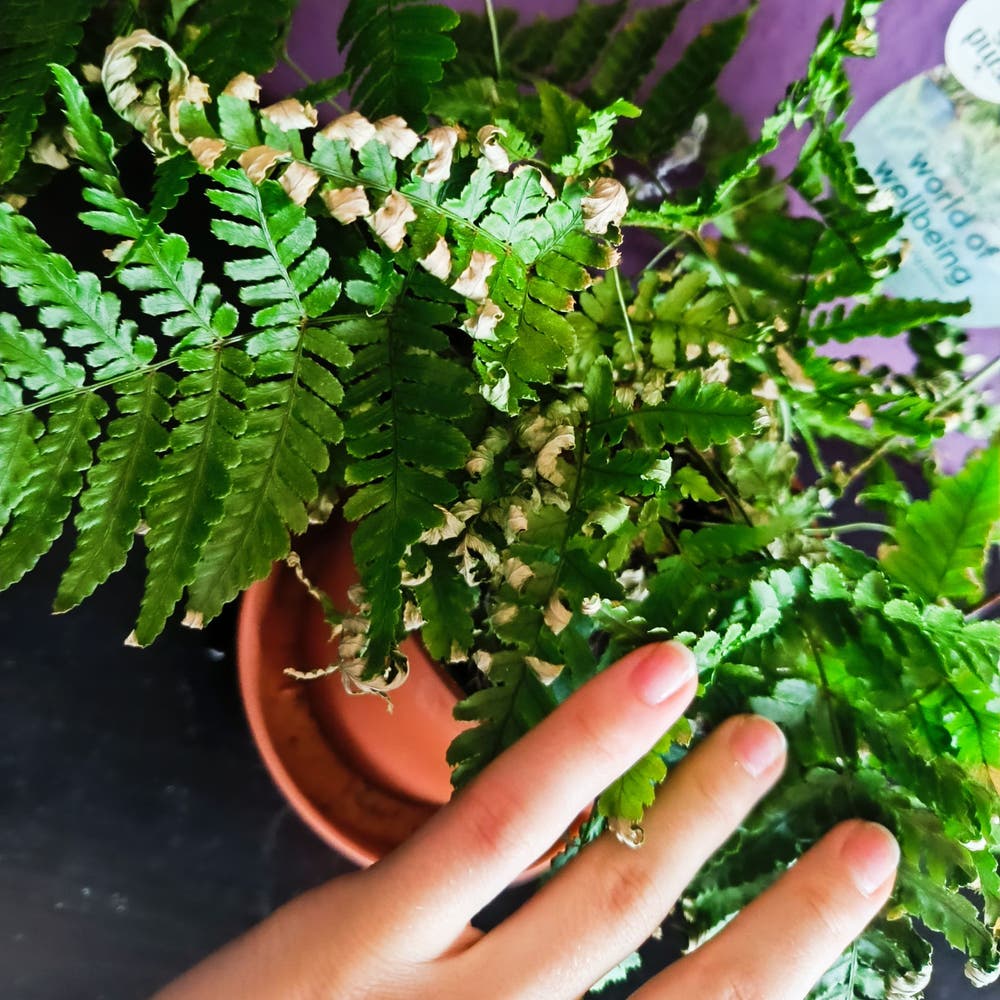
- 🍂 Crispy fronds signal distress; consider humidifiers or pebble trays.
- Seasonal adjustments necessary—use hygrometers for accurate monitoring.
Leatherleaf Fern's Ideal Humidity Range
Leatherleaf Ferns are humidity hogs, thriving best in a moisture-rich environment. The sweet spot for these ferns is between 60-80% relative humidity. This level of humidity mimics their natural rainforest habitat, ensuring their fronds stay lush and vibrant.
🌿 Signs of Humidity Distress
Crispy fronds are your Leatherleaf Fern's SOS signal for more humidity. If the air is Sahara-like, you'll notice the fronds turning brown and brittle. Conversely, if your fern is living in a swamp, you might see signs of fungal diseases like root rot. Keep an eye out for wilting or yellowing fronds, which could indicate that your humidity levels are off-kilter.

Adjusting Humidity for Leatherleaf Ferns
💦 Increasing Humidity
Humidifiers are your go-to for a moisture boost. They're like a spa for your fern, pumping out that sweet, sweet mist Leatherleaf Ferns crave. For a low-tech fix, pebble trays are classic; just fill a tray with water, pop some stones in it, and let your plant kick back on top. It's like a mini oasis. Misting? Sure, it's like giving your fern a quick spritz of perfume, but don't overdo it—too much can lead to a fungal rave you weren't invited to.
🌬 Decreasing Humidity
Got a swamp situation? Airflow is your friend. Crack a window, get a fan, or do a little dance—whatever it takes to get the air moving. If your Leatherleaf Fern's leaves look soggier than a wet sponge, consider relocating it to a less humid room. Remember, balance is key; you're aiming for that perfect humidity sweet spot where your fern feels like it's on a tropical vacation, not in a sauna.
🌦 Seasonal Adjustments
As the seasons change, so does your indoor air. Keep an eye on your Leatherleaf Fern as winter heating or summer AC can turn your home into a desert or a damp basement. Adjust your humidity strategies accordingly, and watch your fern flourish. It's like being a DJ for your plant's environment, mixing in just the right amount of moisture to keep the vibe alive.

Understanding Your Local Humidity
Assessing your local humidity is like being a detective in your own home, looking for clues that reveal the comfort level of your Leatherleaf Fern. A digital hygrometer is your trusty sidekick, giving you the hard numbers on the air's moisture content. Place it near your plant, but dodge the deceptive influences of direct sunlight and drafts.
🌡️ How to Measure Humidity Accurately
- Avoid sunlight when placing your hygrometer, as it can skew the readings.
- Check the humidity at different times throughout the day to get a comprehensive understanding.
Seasonal humidity changes are like plot twists in your plant's life story. As seasons shift, so does the indoor air. Your Leatherleaf Fern might need a humidity boost in the dry winter months or a decrease when summer brings a muggy atmosphere indoors.
🌬️ Adapting to Seasonal Changes
- Consider a humidifier during the dry season to prevent your fern from turning into a crispy critter.
- Improve air circulation or crack a window to combat excessive summer humidity.
Remember, your comfort often mirrors your plant's needs. If you're feeling parched or your skin is dry, chances are your Leatherleaf Fern is silently screaming for a more humid embrace. Keep your green buddy in the Goldilocks zone for humidity, and it'll reward you with lush, vibrant fronds.

⚠️ Safety First
This content is for general information and may contain errors, omissions, or outdated details. It is not medical, veterinary advice, or an endorsement of therapeutic claims.
Always consult a qualified healthcare professional before using any plant as food, medicine, or supplement.
Never eat any plant (or feed one to pets) without confirming its identity with at least two trusted sources.
If you suspect poisoning, call Poison Control (800) 222-1222, the Pet Poison Helpline (800) 213-6680, or your local emergency service immediately.
Spotted an error? Please report it here.
Keep your Leatherleaf Fern thriving 🌿 with Greg's tailored humidity tips, ensuring your fronds never face the perils of dryness or over-moisture.