Does My Leatherleaf Fern Need Direct Sunlight?
Rumohra adiantiformis
By the Greg Editorial Team
Jun 15, 2024•3 min read
This article was created with the help of AI so we can cover more plants for you. May contain errors. See one? Report it here.
- 🌿 Leatherleaf Ferns need bright, indirect light to avoid damage.
- Yellowing and brittle fronds signal too much direct sun.
- North-facing windows (or south in the southern hemisphere) provide ideal conditions.
Direct Sunlight and Leatherleaf Fern Health
Leatherleaf Ferns are like the cool kids of the plant world; they enjoy the bright spots but can't handle the heat of direct sunlight. Direct sun can turn their lush green fronds into a crispy, sun-scorched mess.
🌞 The Effects of Too Much Sun
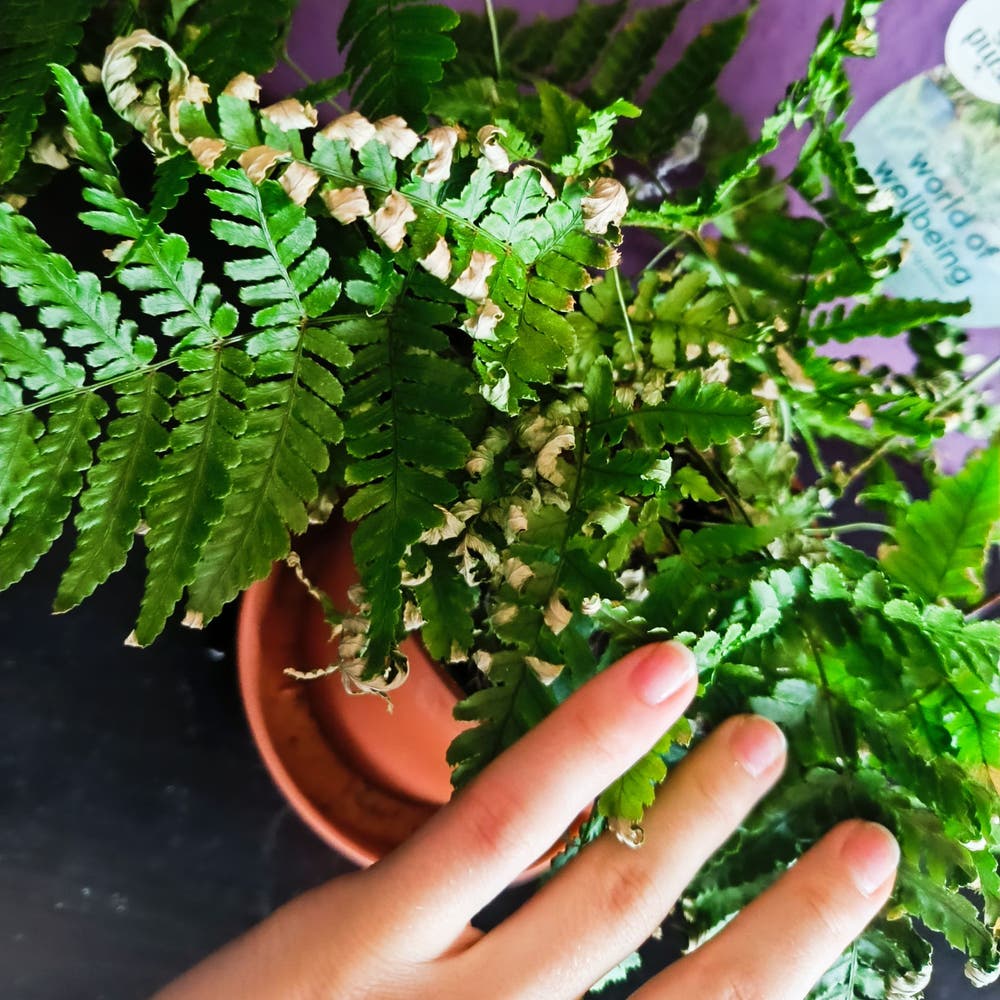
When these ferns get more light than they bargained for, they'll let you know. Yellowing fronds are the plant's version of waving a white flag, signaling surrender to the sun's intense rays. If you spot brown, brittle patches on the leaves, that's the plant equivalent of a bad sunburn.
🕵️ Spotting the Signs
Keep an eye out for drooping leaves; they're not just being dramatic, they're stressed out. If your Leatherleaf Fern's leaves are fading faster than your favorite jeans, it's time to rethink its spot in your home. Discoloration and dry, crispy tips are the fern's SOS, begging for a break from the sunbathing session.
Remember, these ferns are all about that bright, indirect life. They thrive under a canopy of filtered light, much like their natural understory habitat. So, if you don't want your fern to throw shade by looking shady, protect it from the harsh direct sunlight.

Optimal Sunlight Conditions for Leatherleaf Fern
Leatherleaf Ferns are like Goldilocks when it comes to their sunbathing habits – they prefer their light just right. Bright, indirect light is their sweet spot. Direct sunlight is a no-go; it's like putting your delicate fern in a tanning bed – not a pretty outcome.
💡 The Ideal Lighting Setup
Position your Leatherleaf Fern near a north-facing window if you're in the northern hemisphere. This spot offers a consistent level of indirect light that won't toast the fronds. South or west-facing windows can work too, but think of them as the sun's VIP section – it's all fun and games until someone gets burned. Use sheer curtains or blinds to soften the light and protect your fern from harsh rays.
🌍 Window Direction and Hemisphere Influence
Let's talk window real estate. In the southern hemisphere, flip the script – a south-facing window is your go-to for that perfect light. But regardless of your global address, remember that the intensity of sunlight changes with the seasons. Keep an eye on your fern's reaction to light throughout the year and shuffle it around as needed. It's not being high maintenance; it's about staying fabulous.

Protecting Leatherleaf Fern from Excessive Direct Sunlight
🌞 Practical Tips for Shielding Your Fern
Direct sunlight is the nemesis of the delicate Leatherleaf Fern. To prevent your fern from becoming a crispy critter, strategically place it where the sun's rays are more of a gentle caress than a scorching slap. A spot that basks in bright, indirect light will keep your fern's fronds frolicking in good health.
🕶️ The Sheer Genius of Curtains
When the sun plays hardball, sheer curtains or blinds are your best defense. They're like sunglasses for your fern, diffusing that harsh light into a soft glow. Think of them as a plant's version of SPF, preventing the dreaded leaf burn without blocking out the life-giving light completely.
🧭 Window Direction Wizardry
North-facing windows are the Leatherleaf Fern's BFF, offering a steady stream of indirect light without the drama. If you're in the southern hemisphere, flip that advice upside down—south-facing it is. And remember, just like people, plants need a little time to acclimate to new digs, so give your fern a chance to settle in before it faces the full force of the sun.

⚠️ Safety First
This content is for general information and may contain errors, omissions, or outdated details. It is not medical, veterinary advice, or an endorsement of therapeutic claims.
Always consult a qualified healthcare professional before using any plant as food, medicine, or supplement.
Never eat any plant (or feed one to pets) without confirming its identity with at least two trusted sources.
If you suspect poisoning, call Poison Control (800) 222-1222, the Pet Poison Helpline (800) 213-6680, or your local emergency service immediately.
Spotted an error? Please report it here.
Keep your Leatherleaf Fern sun-safe and splendid 🌿 by letting Greg measure the light by your window and tailor the perfect spot for its delicate fronds.