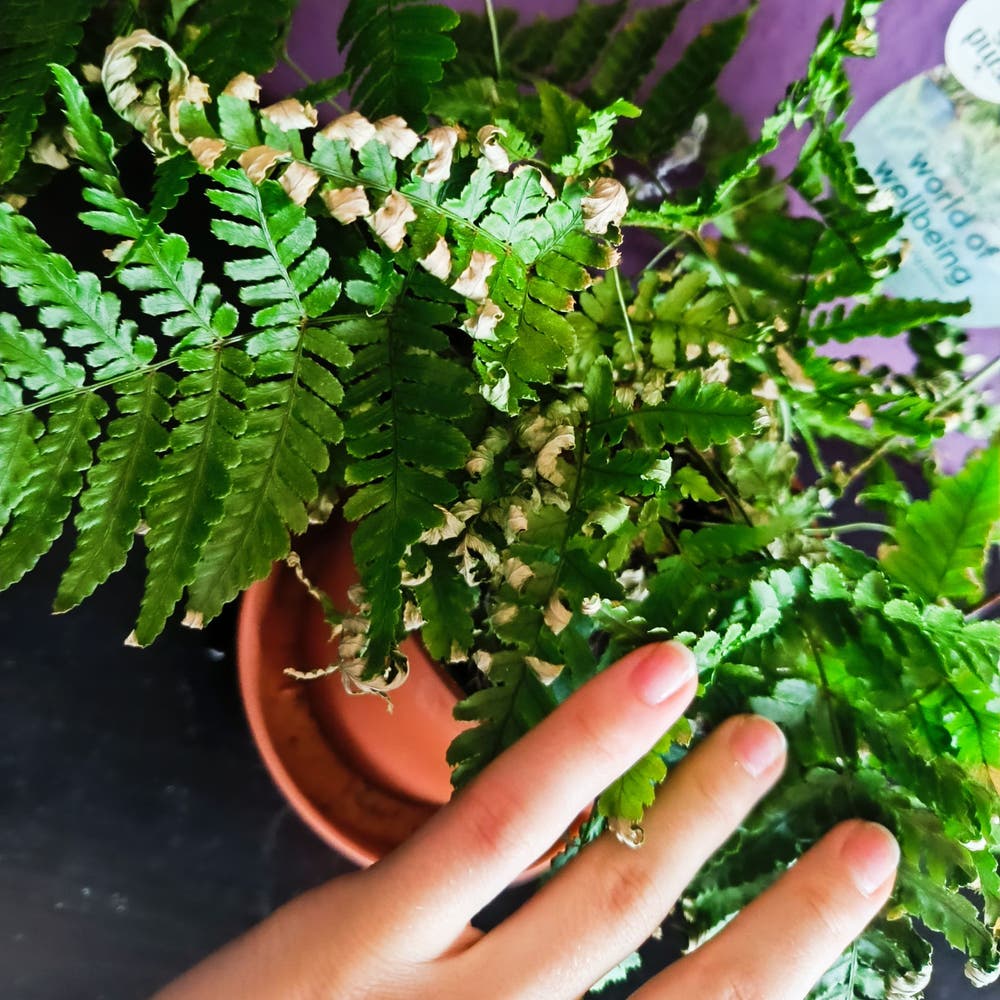
Understanding Brown Spots on Your Leather Fern Leaves
Rumohra adiantiformis
By the Greg Editorial Team
Oct 19, 2024•5 min read
This article was created with the help of AI so we can cover more plants for you. May contain errors. See one? Report it here.
- 🌧️ Overwatering and underwatering both cause brown spots on leather fern leaves.
- 🦠 Fungal infections and pests lead to discoloration; identify before treatment.
- 🌱 Maintain humidity and drainage for healthy ferns and to prevent brown spots.
Causes of Brown Spots
💧 Overwatering and Root Rot
Overwatering is a common culprit behind brown spots on leather fern leaves. Symptoms include yellowing leaves, mushy roots, and those dreaded brown spots.
Excess water can lead to root rot, which hampers the plant's ability to absorb nutrients. To prevent this, ensure your fern is planted in well-draining soil and avoid waterlogged conditions.
🚰 Underwatering and Leaf Dehydration
On the flip side, underwatering can also cause brown spots. Look for crispy leaf edges, wilting, and those pesky brown spots.
Insufficient water leads to dehydration, stressing the plant. Regularly check soil moisture and maintain a consistent watering schedule to keep your fern happy.
🍄 Fungal Infections
Fungal infections present another challenge for leather ferns. Symptoms often include dark brown or black spots surrounded by a yellow halo.
Fungi thrive in overly moist conditions, leading to unsightly leaf discoloration. To combat this, improve air circulation around your plant and avoid overhead watering.
🐛 Pest Infestations
Pests can wreak havoc on your leather fern, too. Common offenders include spider mites, aphids, and mealybugs, which can leave brown spots along with webbing or sticky residue.
These pests damage leaf tissue, causing discoloration. Regularly inspect your leaves and treat any infestations promptly to keep your fern thriving.
🌱 Nutrient Deficiencies
Nutrient deficiencies can also lead to brown spots. Key nutrients like nitrogen, potassium, and magnesium are essential for your fern's health.
Symptoms include general yellowing, brown spots, and stunted growth. To prevent deficiencies, use a balanced fertilizer during the growing season to ensure your fern gets the nutrients it needs.
Understanding these causes will help you take proactive steps in caring for your leather fern. Next, let’s explore effective treatments and alleviation strategies for those pesky brown spots.
Treatment and Alleviation
🌱 Step-by-Step Treatment for Brown Spots
Adjusting Watering Practices
- Check soil moisture: Use a moisture meter or your finger to gauge how dry the soil is.
- Watering frequency: Adjust your watering schedule based on the season—more in summer, less in winter.
- Drainage: Ensure your pots have drainage holes to prevent water accumulation, which can lead to root rot.
Applying Fungicides or Pesticides
- Identify the issue: Confirm whether the problem is fungal or pest-related.
- Choose appropriate treatment: Select a natural or chemical fungicide or pesticide based on your findings.
- Application method: Always follow label instructions for safe and effective use.
✂️ Pruning Affected Leaves
- Tools: Use clean, sharp scissors or pruning shears to avoid introducing pathogens.
- Pruning method: Cut leaves at the base, ensuring you remove all affected areas to prevent further spread.
- Disposal: Dispose of cuttings properly to avoid spreading any issues to healthy parts of the plant.
💧 Improving Humidity Levels
- Humidity measurement: Use a hygrometer to check the humidity levels around your fern.
- Increase humidity: Consider using a humidifier or placing pebble trays filled with water near your plant.
- Regular misting: Mist the leaves regularly, especially during dry conditions, to keep them hydrated.
🍃 Home Remedies for Brown Spots
Natural Fungicides
- Options: Consider using neem oil or a baking soda solution as natural fungicides.
- Application: Spray these solutions on affected areas every 1-2 weeks for best results.
Soil Amendments
- Recommendations: Adding organic matter or perlite can significantly improve soil drainage.
- Timing: Amend the soil during repotting or when you first notice symptoms to help your fern recover.
By implementing these treatment strategies, you can effectively manage brown spots on your leather fern leaves. Next, let’s explore some prevention strategies to keep your fern healthy and vibrant.
Prevention Strategies
🌱 Best Practices for Care
Ideal Watering Schedule
Water your leather fern when the top inch of soil feels dry. This ensures the plant receives adequate moisture without becoming waterlogged.
Thoroughly water the plant until it drains from the bottom. This method promotes healthy root growth and prevents brown spots.
Optimal Humidity Levels
Aim for a humidity range of 50-70% for your fern. This level helps maintain vibrant, healthy leaves.
To achieve this, consider grouping plants together or using humidity trays filled with water. These methods create a microenvironment that benefits your fern.
Proper Soil Mix
A recommended soil mix consists of 2 parts peat, 1 part perlite, and 1 part compost. This blend provides excellent drainage and nutrient retention.
Using the right soil mix is crucial for your fern's health, as it prevents root rot and promotes growth.
🌦️ Seasonal Care Tips
Adjusting Care During Different Seasons
In summer, increase both watering and humidity to accommodate the plant's growth. Warmer temperatures can lead to faster evaporation, so keep an eye on moisture levels.
During winter, reduce watering and monitor for dryness. The cooler air can cause the soil to dry out more slowly, so adjust accordingly.
Monitoring Environmental Changes
Watch for sudden temperature drops or increases in light. These changes can stress your fern and lead to brown spots.
If you notice any signs, adjust your care practices to keep your fern thriving. Regular observation is key to maintaining its health.
By implementing these prevention strategies, you can keep your leather fern healthy and vibrant, reducing the risk of brown spots and other issues. Next, let’s explore effective treatment options for existing problems.
⚠️ Safety First
This content is for general information and may contain errors, omissions, or outdated details. It is not medical, veterinary advice, or an endorsement of therapeutic claims.
Always consult a qualified healthcare professional before using any plant as food, medicine, or supplement.
Never eat any plant (or feed one to pets) without confirming its identity with at least two trusted sources.
If you suspect poisoning, call Poison Control (800) 222-1222, the Pet Poison Helpline (800) 213-6680, or your local emergency service immediately.
Spotted an error? Please report it here.
Keep your leather fern spot-free 🌿 by using Greg's tailored watering reminders and humidity tips to ensure it thrives in its perfect environment!