How to Recognize and Treat Root Rot in Your Leather Fern 💧
Rumohra adiantiformis
By the Greg Editorial Team
Oct 19, 2024•6 min read
This article was created with the help of AI so we can cover more plants for you. May contain errors. See one? Report it here.
- 🌿 Yellowing fronds and wilting indicate root rot; act quickly to save your fern!
- 🕵️♂️ Inspect roots: Dark, mushy roots signal rot; healthy roots should be white and firm.
- 🧴 Repot in well-draining soil and apply fungicide to treat and prevent root rot.
Identifying Root Rot Symptoms
👀 Visual Signs
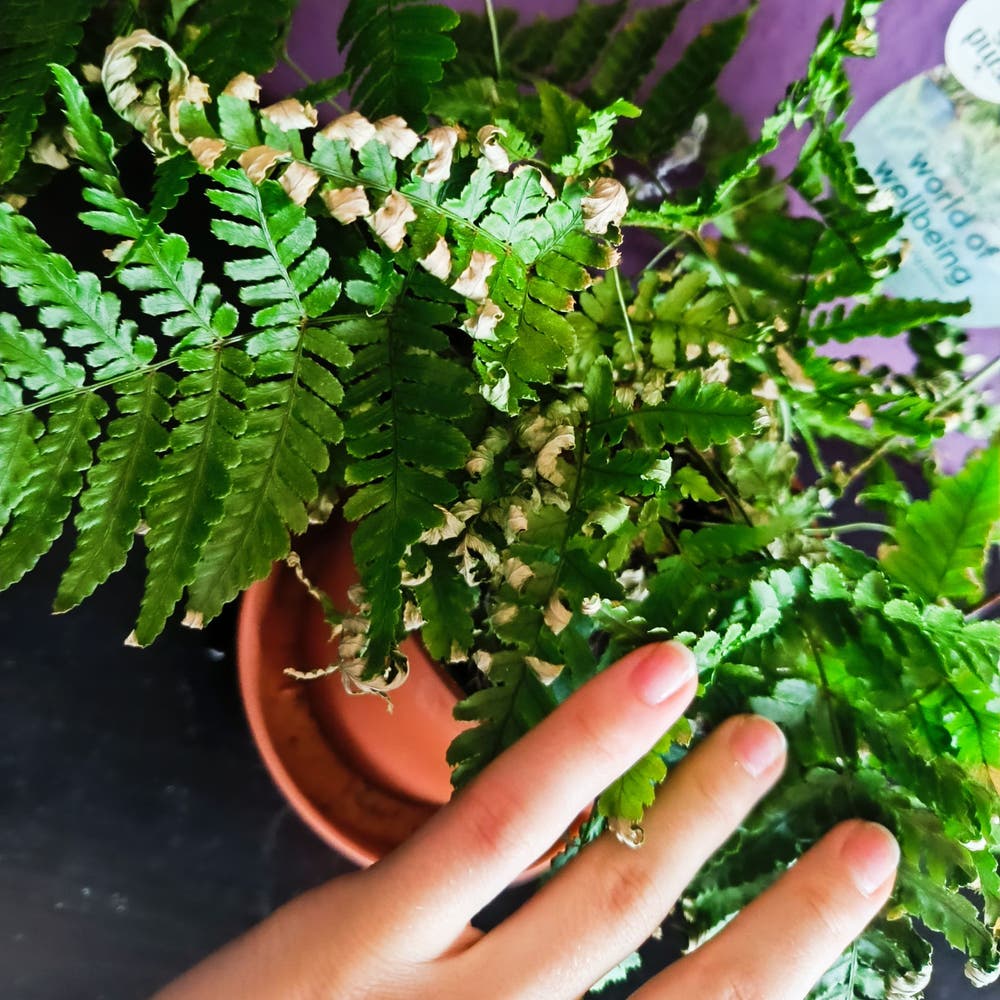
Recognizing root rot starts with observing your Leather Fern. Yellowing fronds are often the first sign, indicating stress and potential root issues.
Another red flag is wilting despite adequate watering. This suggests that the roots are not functioning properly, leading to a lack of nutrient uptake.
🌑 Dark, Mushy Roots
A visual inspection of the roots can reveal a lot. If you notice dark, mushy roots, this is a clear indication of unhealthy conditions that need immediate attention.
🔍 Root Inspection Techniques
Safely Removing the Plant
To inspect the roots, you need to remove the plant from its pot carefully. Gently loosen the soil around the roots to minimize damage during this process.
Healthy vs. Unhealthy Roots
Next, differentiate between healthy and unhealthy roots. Healthy roots are typically white and firm, while rotting roots appear brown and soft.
Spotting Fungal Infections
For a more thorough inspection, consider using a magnifying glass. This can help you spot any fungal infections that may be lurking in the roots.
⚖️ Differentiating Between Issues
Comparing Symptoms
It's crucial to compare root rot symptoms with those of nutrient deficiencies. Look for specific signs that can help you pinpoint the issue.
Recognizing Pest Damage
Sometimes, what looks like root rot may actually be pest damage. Keep an eye out for signs of pests like root aphids, which can cause similar symptoms.
Understanding Environmental Stressors
Lastly, differentiate between root rot and environmental stressors, such as drought stress. Understanding these nuances can help you address the problem effectively.
Identifying root rot symptoms is the first step toward treatment. Once you know what to look for, you can take action to save your Leather Fern.
Treating Root Rot
Step-by-Step Treatment Process 🌱
Remove the plant from its pot: Start by gently loosening the soil around the roots. This minimizes damage and prepares you for a thorough inspection.
Inspect roots thoroughly: Look for any rotten sections. Trim away these unhealthy parts to promote better growth.
Clean the remaining healthy roots: Rinse the roots with water to eliminate soil and pathogens. This step is crucial for preventing further infection.
Apply a fungicide: Choose a suitable fungicide for treating fungal infections in ferns. Follow the product instructions for effective application.
Repot in fresh, well-draining soil: Select the best soil for your Leather Fern to encourage recovery. Fresh soil helps prevent future root rot.
Recommended Treatments 🧪
Types of fungicides effective against root rot: Consider systemic fungicides that work from within the plant or contact fungicides that act on contact. Each has its benefits depending on the severity of the rot.
Natural alternatives: Neem oil is a popular organic treatment. It’s effective and less harsh on your plant.
Application methods: When applying fungicides, ensure even coverage on the affected areas. This maximizes the treatment's effectiveness.
Repotting Techniques 🌍
Choosing the right pot size: Avoid pots that are too large or too small. A snug fit encourages healthy root growth without excess moisture retention.
Importance of drainage holes: Ensure your pot has adequate drainage holes. This prevents water from pooling, which can lead to root rot.
Soil mix recommendations: Use a well-draining soil mix tailored for Leather Ferns. Incorporating materials like perlite can enhance drainage and aeration.
With these steps, you can effectively treat root rot and set your Leather Fern on the path to recovery. Next, let’s explore how to prevent root rot from occurring in the first place.
Preventing Root Rot
Best Practices for Watering 🌊
Establishing a consistent watering schedule is crucial for your Leather Fern's health. Adjust the frequency and amount based on environmental conditions, ensuring the soil remains moist but not soggy.
Check soil moisture levels before watering to avoid overwatering. A simple finger test can help; if the top inch of soil feels dry, it’s time to water.
Using the Greg plant care app can simplify this process. It offers AI-powered reminders tailored to your plant's needs, helping you stay on top of your watering routine.
Importance of Soil Drainage 🕳️
Well-draining soil is essential to prevent root rot. Incorporate components like perlite and sand to enhance drainage and aeration.
Testing soil drainage is straightforward. You can perform a simple water test by pouring water into the soil and observing how quickly it drains.
Avoid compacted soil, as it restricts root growth and water flow. Regularly aerating the soil can significantly improve root health and overall plant vitality.
Choosing the Right Pot and Soil Mix 🪴
When selecting a pot, consider the material. Terracotta pots are excellent for moisture control, while plastic pots retain moisture longer.
For optimal Leather Fern health, use a custom soil mix that promotes drainage and aeration. A blend of peat, perlite, and compost works wonders.
Repotting frequency is also important. Aim to repot every 1-2 years to maintain root health and provide fresh nutrients, ensuring your fern thrives.
By following these preventive measures, you can significantly reduce the risk of root rot and keep your Leather Fern flourishing. Next, let’s explore post-treatment care to ensure your plant recovers effectively.
Post-Treatment Care
Monitoring Recovery Signs 🌱
After treating root rot, it's crucial to monitor your Leather Fern for signs of recovery. Look for indicators like new growth and improved frond color, which signal that your plant is bouncing back.
Regular root inspections are also essential. Check for any signs of returning rot, ensuring that your efforts have been effective and that the roots remain healthy.
Adjusting Care Routine After Treatment 🔄
Modifying light exposure can significantly impact recovery. Ensure your fern receives optimal light conditions to promote healing without overwhelming it.
Gradually reintroducing regular watering is vital. This helps avoid shocking the recovering roots, allowing them to adjust to their new environment.
Patience is key during this phase. Allow your fern the time it needs to recover fully before resuming your normal care routine.
Long-Term Health Tips 🌿
Incorporating regular maintenance practices, such as pruning and cleaning, can promote overall health. These simple actions help keep your fern vibrant and thriving.
Seasonal care adjustments are also important. Modify your care based on seasonal changes to meet your fern's evolving needs.
Finally, keep an eye on environmental conditions. Monitoring humidity and temperature ensures your Leather Fern remains in a healthy, supportive environment.
By following these post-treatment care tips, you can help your Leather Fern thrive and prevent future issues. Now, let’s explore how to prevent root rot from occurring in the first place.
⚠️ Safety First
This content is for general information and may contain errors, omissions, or outdated details. It is not medical, veterinary advice, or an endorsement of therapeutic claims.
Always consult a qualified healthcare professional before using any plant as food, medicine, or supplement.
Never eat any plant (or feed one to pets) without confirming its identity with at least two trusted sources.
If you suspect poisoning, call Poison Control (800) 222-1222, the Pet Poison Helpline (800) 213-6680, or your local emergency service immediately.
Spotted an error? Please report it here.
Combat root rot and keep your Leather Fern thriving 🌱 with Greg's tailored watering alerts and expert care tips that ensure your plant stays healthy and vibrant!