9 Ideal Locations to Plant Your Leather Fern 🌿
Rumohra adiantiformis
By the Greg Editorial Team
Jan 07, 2025•5 min read
This article was created with the help of AI so we can cover more plants for you. May contain errors. See one? Report it here.
- 🌳 Leather Ferns thrive in low light, perfect for shaded garden spots.
- 💧 Well-draining, organic soil is essential for healthy Leather Fern growth.
- 🌦️ Assess microclimates to find ideal planting locations for your Leather Ferns.
Sunlight Exposure Requirements
🌳 Shade Tolerance
Leather Ferns are champions of low light. They thrive in dappled sunlight or filtered shade, making them perfect for those shadier spots in your garden.
☀️ Sun Exposure Preferences
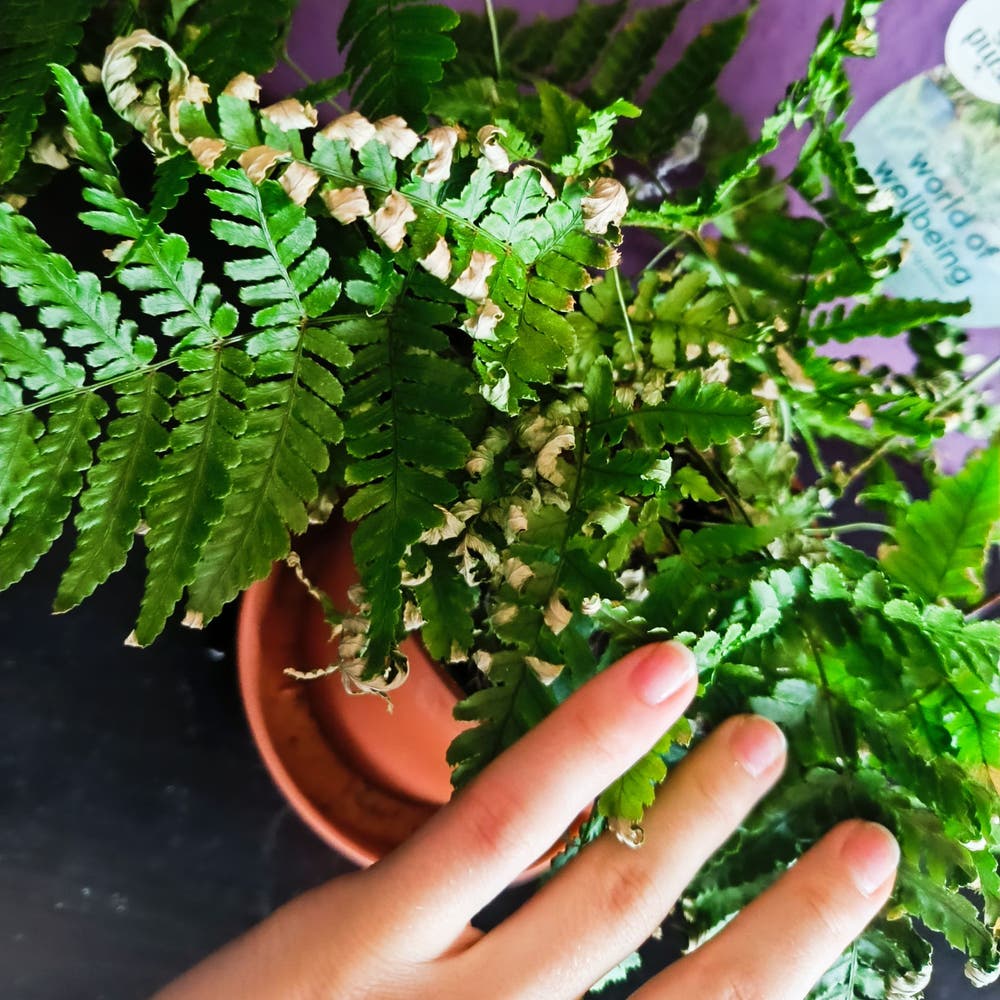
While they can handle some sun, limit direct exposure to just 2-4 hours a day. Too much sun can lead to browning fronds and wilting, signaling that your fern is not happy.
🔍 Assessing Light Conditions
To find the best planting spots, evaluate the existing light levels in your garden. You can use light meters for precision or simply observe how sunlight moves through your space throughout the day.
Understanding these sunlight exposure requirements will set your Leather Fern up for success. Next, let’s explore the ideal soil conditions that will keep your fern thriving.
Soil Type Preferences
Ideal Soil Conditions 🌱
For your Leather Fern to flourish, it needs well-draining, rich organic soil. Aim for a soil pH that falls between slightly acidic to neutral, ideally around 6.0 to 7.0.
Soil Composition 🧪
Creating the perfect soil mix is key. Combine equal parts of peat moss, compost, and perlite to ensure your fern has the right environment to thrive.
Organic matter plays a crucial role in moisture retention and nutrient supply, making it essential for healthy fern growth.
Testing Soil Quality 🔍
Assessing your soil's drainage and fertility is vital for successful planting. You can use simple methods like digging test holes to observe how water behaves in your soil.
Soil testing kits are also available; they help you understand your soil's composition and how to improve it. Knowing your soil's quality will empower you to create the best conditions for your Leather Fern.
With the right soil in place, your fern will be well on its way to thriving in your garden. Next, let’s explore how the proximity to other plants and structures can further enhance its growth.
Proximity to Other Plants and Structures
🌱 Companion Plants
When planting your Leather Fern, consider companions like hostas and astilbes. These shade-loving plants not only enhance the aesthetic appeal but also create a microenvironment that boosts humidity and helps with pest control.
🏢 Planting Near Structures
Positioning your Leather Fern near trees or buildings can provide the necessary shade it craves. However, keep in mind the potential for root competition and ensure that moisture retention is adequate for healthy growth.
📏 Spacing Considerations
For optimal air circulation, space your Leather Ferns 18 to 24 inches apart. Overcrowding can lead to poor growth and health issues, so give them room to thrive and flourish.
By carefully selecting companion plants and considering their proximity to structures, you can create a thriving environment for your Leather Fern. Next, let’s explore how to assess microclimates in your garden for even better growth conditions.
Assessing Microclimates
🌤️ Identifying Microclimates in Your Garden
Understanding microclimates is crucial for successfully planting Leather Ferns. Start by observing your garden throughout the day to note variations in sunlight, wind, and moisture.
Look for areas that may be warmer or cooler than the surrounding environment. For instance, spots near walls or large trees can create sheltered zones that are ideal for your ferns.
🗺️ Techniques for Mapping Microclimates
To effectively map microclimates, consider using a simple grid system. Divide your garden into sections and record the conditions in each area, noting temperature differences and moisture levels.
You can also use a thermometer and hygrometer to gather precise data. This information will help you identify the best spots for your Leather Ferns.
🌳 Examples of Microclimates Suitable for Leather Fern
Leather Ferns thrive in shaded areas with consistent moisture. Look for microclimates under tree canopies or near water features, where humidity levels are naturally higher.
Additionally, areas that receive filtered sunlight can provide the perfect balance of light and shade for optimal growth.
🌱 Utilizing Microclimates for Optimal Growth
Once you've identified suitable microclimates, enhance them for your Leather Ferns. You can create additional shade using garden structures or strategically placed plants.
Consider adding mulch to retain moisture and regulate soil temperature. This simple step can significantly improve the growing conditions for your ferns.
🍂 Adjusting Planting Locations Based on Seasonal Changes
Microclimates can shift with the seasons, so stay observant. In winter, areas that were once shaded may receive more sunlight, affecting your ferns' health.
Be prepared to adjust your planting locations as needed. This flexibility will help ensure your Leather Ferns thrive year-round.
By understanding and utilizing microclimates, you can create the ideal environment for your Leather Ferns, leading to lush, vibrant growth. Next, let’s explore the importance of drainage considerations to keep your ferns healthy and thriving.
Drainage Considerations
Importance of Proper Drainage 🌊
Leather Ferns are particularly sensitive to root rot, which can occur in waterlogged conditions. If you notice yellowing leaves or mushy roots, it’s a clear sign that drainage issues need to be addressed.
Evaluating Drainage in Planting Locations 🔍
To assess drainage, start by digging test holes in your potential planting areas. Observe how quickly water drains; if it pools for too long, you may need to consider alternative solutions.
Techniques for Assessment:
- Dig test holes and fill them with water to see how quickly it drains.
- Monitor water retention after heavy rain to identify problem areas.
Recommended Solutions:
- Raised Beds: Elevating your plants can significantly improve drainage.
- Soil Amendments: Mixing in sand can enhance drainage capabilities.
Long-term Drainage Management 🔧
Maintaining optimal drainage is an ongoing process. Regularly check your planting areas, especially after heavy rainfall, to ensure water isn’t accumulating.
- Strategies for Maintenance:
- Adjust soil composition seasonally to accommodate changes in rainfall and humidity.
- Consider installing drainage systems if you consistently face water retention issues.
By being proactive about drainage, you can create a thriving environment for your Leather Ferns, ensuring they flourish year after year. Next, let’s explore how to assess microclimates in your garden for even better growth conditions.
⚠️ Safety First
This content is for general information and may contain errors, omissions, or outdated details. It is not medical, veterinary advice, or an endorsement of therapeutic claims.
Always consult a qualified healthcare professional before using any plant as food, medicine, or supplement.
Never eat any plant (or feed one to pets) without confirming its identity with at least two trusted sources.
If you suspect poisoning, call Poison Control (800) 222-1222, the Pet Poison Helpline (800) 213-6680, or your local emergency service immediately.
Spotted an error? Please report it here.
Create a lush haven for your Leather Ferns 🌱 by using Greg's tailored care reminders and soil tips to ensure they thrive in the perfect conditions!