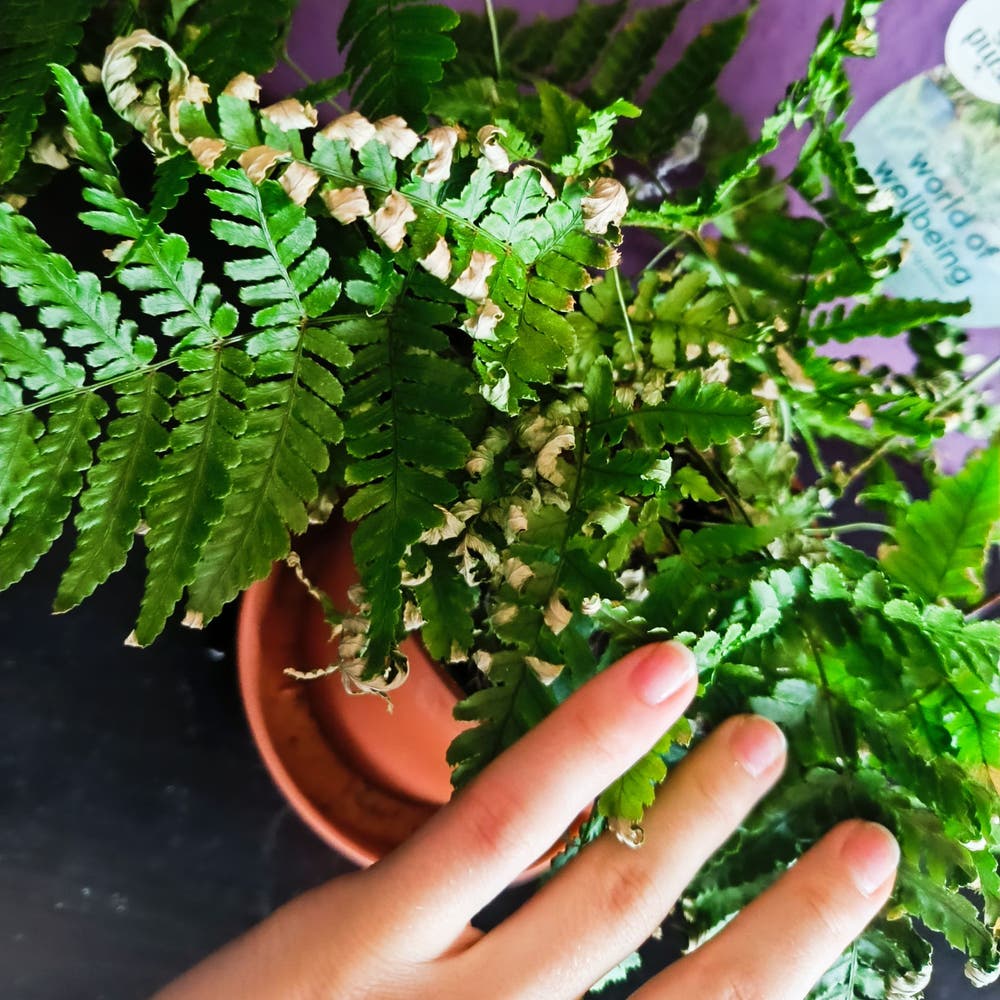
8 Ideal Companions for Your Leather Fern
Rumohra adiantiformis
By the Greg Editorial Team
Jan 07, 2025•3 min read
This article was created with the help of AI so we can cover more plants for you. May contain errors. See one? Report it here.
- 🌿 Hostas and Astilbe thrive with Leather Fern, sharing moisture and shade needs.
- 🌼 Companion planting enhances aesthetics and health, creating a vibrant garden ecosystem.
- 🌱 Avoid sunflowers and mint; they compete poorly with Leather Fern's requirements.
Ideal Companions for Leather Fern
Plant 1: Hostas 🌿
Hostas are shade-loving plants that thrive in conditions similar to those preferred by Leather Fern. They require comparable moisture levels and soil types, making them an ideal companion.
Plant 2: Astilbe 🌸
Astilbe produces feathery flowers that attract beneficial pollinators, enhancing your garden's ecosystem. Additionally, its natural pest-repellent properties help deter harmful insects, making it a smart choice for pest management.
Plant 3: Heuchera 🍂
Heuchera brings vibrant foliage colors that beautifully contrast with the dark green fronds of Leather Fern. This plant adds texture and visual interest, elevating the overall aesthetic of your garden.
Plant 4: Japanese Forest Grass 🍃
Japanese Forest Grass prefers moist, shaded areas, perfectly complementing the habitat of Leather Fern. Its graceful arching growth habit enhances the garden's visual appeal.
Plant 5: Bleeding Heart 💖
Bleeding Heart forms a beneficial relationship with Leather Fern by providing ground cover that reduces weed competition. Both plants share similar moisture and shade preferences, making them great partners.
Plant 6: Lungwort 🌼
Lungwort thrives in similar soil conditions as Leather Fern and offers early spring blooms. This plant helps maintain soil moisture levels, supporting the health of your fern.
Plant 7: Ferns 🌱
Incorporating other ferns adds variety and texture to your fern garden design. These plants share similar care needs and thrive in the same environment as Leather Fern.
Plant 8: Native Wildflowers 🌻
Native wildflowers support local ecosystems and attract native pollinators, enriching your garden's biodiversity. They enhance resilience and contribute to a thriving garden environment.
These companion plants not only thrive alongside Leather Fern but also create a harmonious and vibrant garden space. As you explore these options, consider how each plant can contribute to your garden's overall health and beauty.
Plants to Avoid Near Leather Fern
Plant 1: Sunflowers 🌻
Sunflowers are stunning, but they thrive in full sun and dry conditions. This is a stark contrast to the shade-loving Leather Fern, making them incompatible companions.
Plant 2: Mint 🌱
Mint may seem harmless, but its aggressive growth can be a real problem. It tends to outcompete Leather Fern for moisture and nutrients, which can hinder the fern's health.
Plant 3: General Characteristics of Plants to Avoid 🚫
When selecting plants to pair with Leather Fern, steer clear of those that prefer dry, sunny conditions. Additionally, some species may release allelopathic chemicals that can be detrimental to Leather Fern's growth and vitality.
Avoiding these plants will help maintain a thriving environment for your Leather Fern. Next, let’s explore the benefits of companion planting and how it can enhance your garden's diversity.
Summary of Companion Planting Benefits
Companion planting with Leather Fern offers a multitude of advantages that enhance both aesthetics and health in your garden. By selecting the right plants, you can create a thriving ecosystem that supports growth and minimizes pests.
Experimenting with various combinations can lead to optimal results. Each plant brings unique benefits, from attracting pollinators to providing ground cover, making your garden not just beautiful but also functional.
Thoughtful pairings can enhance garden diversity and resilience. By incorporating a mix of companion plants, you foster a balanced environment that promotes healthy growth and effective pest management.
In conclusion, don’t hesitate to try different combinations. Your garden is a canvas, and with the right companions, it can flourish in ways you never imagined.
⚠️ Safety First
This content is for general information and may contain errors, omissions, or outdated details. It is not medical, veterinary advice, or an endorsement of therapeutic claims.
Always consult a qualified healthcare professional before using any plant as food, medicine, or supplement.
Never eat any plant (or feed one to pets) without confirming its identity with at least two trusted sources.
If you suspect poisoning, call Poison Control (800) 222-1222, the Pet Poison Helpline (800) 213-6680, or your local emergency service immediately.
Spotted an error? Please report it here.
Enhance your Leather Fern's beauty and health with thoughtful companions 🌿 like Hostas and Astilbe, and let Greg guide you with tailored care tips for a flourishing garden!