Cutting Back Leather Fern Effectively ✂️
Rumohra adiantiformis
By the Greg Editorial Team
Jan 07, 2025•5 min read
This article was created with the help of AI so we can cover more plants for you. May contain errors. See one? Report it here.
- ✂️ Pruning leather ferns promotes healthy growth and vibrant fronds for a lush appearance.
- 🌱 Regular cutting back prevents overcrowding, enhancing the fern's aesthetic appeal.
- 🦠 Pruning reduces pests and diseases by removing dead or damaged fronds.
Importance of Pruning for Leather Fern Health
✂️ Benefits of Cutting Back Leather Fern
Pruning your leather fern is not just a chore; it’s a vital practice that promotes healthy growth. Regularly cutting back encourages the development of new fronds, ensuring your plant remains vibrant and lush.
A well-pruned fern also enhances aesthetics. By maintaining a tidy appearance, you prevent overcrowding, which can detract from the plant's natural beauty.
Moreover, pruning plays a crucial role in disease prevention. By removing dead or damaged fronds, you eliminate potential hiding spots for pests and diseases that could threaten your fern's health.
Improving air circulation is another significant benefit of pruning. By reducing humidity around the plant, you minimize the risk of fungal infections, creating a healthier environment for your leather fern to thrive.
In essence, regular pruning is a simple yet effective way to keep your leather fern looking its best while ensuring its long-term health. Embrace this practice, and your fern will reward you with lush, vibrant growth.
When to Prune Leather Fern
Best Seasons for Pruning 🌱
Timing is everything when it comes to pruning your leather fern. Early spring is the perfect moment for major pruning, as it sets the stage for vigorous growth during the warmer months.
In late summer, consider light pruning to tidy up any fronds that may have suffered damage. This helps maintain the plant's health and appearance as it prepares for the cooler seasons.
Signs That Pruning is Needed ✂️
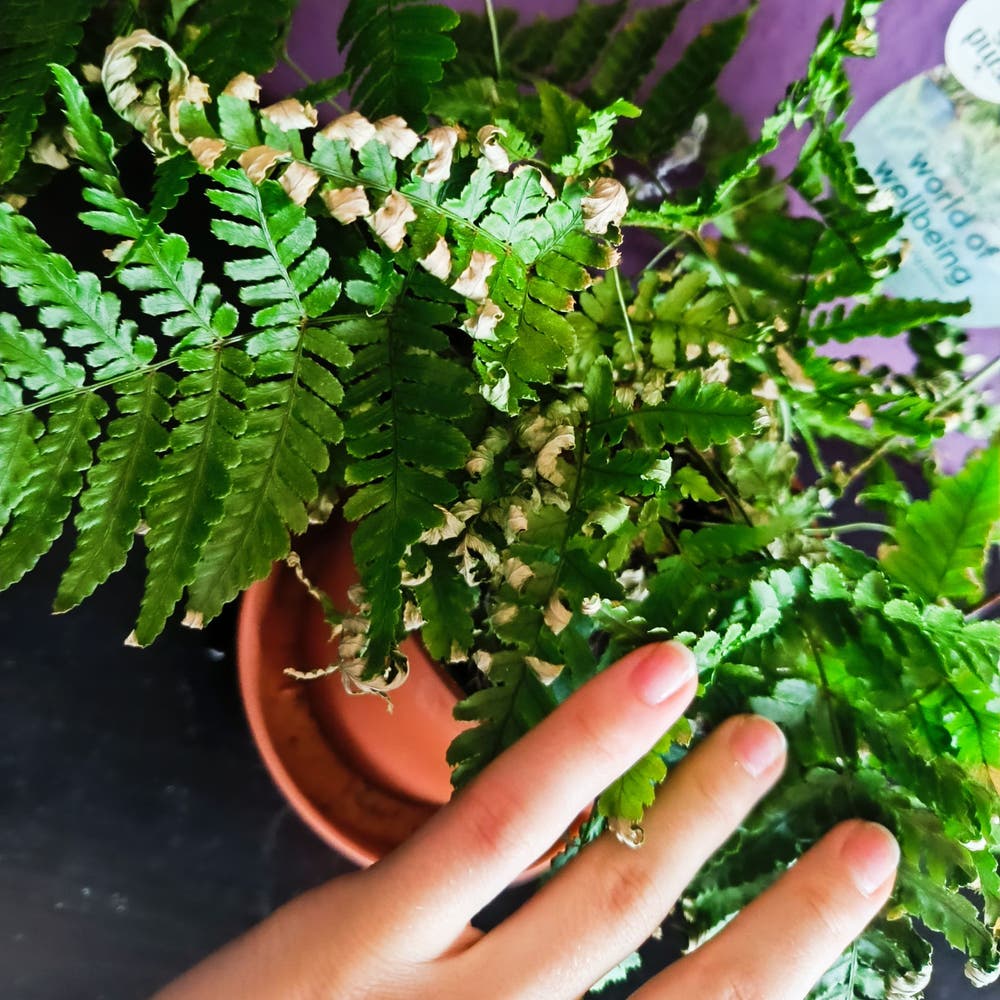
Knowing when to prune can make a significant difference in your fern's vitality. Look for yellowing or browning fronds, which are clear indicators that it's time for removal.
An overcrowded appearance is another sign that your fern needs attention. When fronds start competing for space and light, it's time to trim back.
Lastly, keep an eye out for any presence of pests or disease. Visible signs of infestation or decay are urgent calls for action to protect your plant's health.
By staying vigilant and pruning at the right times, you can ensure your leather fern thrives beautifully.
How to Prune Leather Fern
Pruning your leather fern is essential for maintaining its health and appearance. Here’s a straightforward guide to help you through the process.
Step-by-Step Pruning Instructions 🌱
Assess the plant: Start by examining your fern for any fronds that are dead, damaged, or overcrowded. This will help you determine which parts need attention.
Prepare tools: Grab your clean, sharp pruning shears or scissors. Having the right tools ready makes the job easier and more efficient.
Make cuts: Trim the identified fronds at the base, close to the soil line. This encourages new growth and keeps the plant looking tidy.
Dispose of cuttings: Remove all cut fronds from the area. This step is crucial to prevent any potential spread of disease.
Clean tools: After pruning, wipe down your tools with rubbing alcohol. This helps maintain hygiene and prevents the transfer of any pathogens.
Tools Required for Effective Pruning 🔧
- Pruning shears: Ideal for cutting thicker fronds, ensuring a clean cut.
- Scissors: Perfect for delicate trimming of smaller fronds, giving you precision.
- Gloves: Protect your hands from sharp edges and potential irritants while you work.
Pruning your leather fern not only promotes healthy growth but also enhances its overall appearance. With the right tools and techniques, you can keep your fern thriving and beautiful.
Transition to Deadheading 🌼
Once you've mastered pruning, consider deadheading your leather fern to further encourage new growth and maintain its aesthetic appeal.
Deadheading Leather Fern
🪴 Rationale for Deadheading
Deadheading your leather fern is essential for its vitality. By removing spent fronds, you allow the plant to redirect its energy towards producing fresh, vibrant foliage.
Additionally, deadheading enhances the overall appearance of your fern. A tidy, well-maintained plant not only looks healthier but also contributes to a more inviting space.
✂️ Step-by-Step Deadheading Instructions
Identify spent fronds: Start by looking for fronds that have turned brown or yellow. These are the ones that need to go.
Use clean shears: Make sure your pruning tools are sanitized. This step is crucial to prevent any disease transmission to your healthy fronds.
Cut at the base: Trim the dead fronds close to the soil line. This helps the plant focus on new growth without the distraction of old, dying foliage.
Monitor for new growth: After deadheading, keep an eye out for signs of new fronds emerging. This is a good indicator that your fern is thriving and responding well to your care.
By following these simple steps, you can keep your leather fern looking its best and encourage robust growth. Next, let’s explore how to care for your fern after pruning to ensure it continues to flourish.
Post-Pruning Care
🌱 Aftercare for Pruned Leather Fern
After pruning your leather fern, proper aftercare is crucial for its recovery and growth. Start by ensuring the plant receives adequate moisture; however, be cautious not to overwater, as this can lead to root rot.
Fertilization is also key. Applying a balanced fertilizer after pruning will provide the necessary nutrients to support new frond development and overall health.
👀 Monitoring Plant Health Post-Pruning
Keep an eye on your fern for signs of new growth. Healthy fronds should start to emerge, indicating that your plant is responding well to the pruning.
Regularly inspect your fern for any signs of pests or disease. Early detection is vital for maintaining plant health and preventing infestations from spreading.
Adjust your care routine as needed. Modify watering and light exposure based on how your fern reacts to the pruning process, ensuring it thrives in its environment.
With attentive care, your leather fern will flourish, showcasing vibrant new growth and a healthy appearance.
⚠️ Safety First
This content is for general information and may contain errors, omissions, or outdated details. It is not medical, veterinary advice, or an endorsement of therapeutic claims.
Always consult a qualified healthcare professional before using any plant as food, medicine, or supplement.
Never eat any plant (or feed one to pets) without confirming its identity with at least two trusted sources.
If you suspect poisoning, call Poison Control (800) 222-1222, the Pet Poison Helpline (800) 213-6680, or your local emergency service immediately.
Spotted an error? Please report it here.
Prune your leather fern for vibrant growth 🌿 and let Greg guide you with tailored reminders and tips to keep it thriving all year round!