🌸 Best Tips for Blooming Leather Fern
Rumohra adiantiformis
By the Greg Editorial Team
Jan 07, 2025•4 min read
This article was created with the help of AI so we can cover more plants for you. May contain errors. See one? Report it here.
- 🌿 Leather Fern reproduces through spores, not flowers, showcasing unique plant diversity.
- 💧🌞 Optimal humidity and shade enhance spore production for thriving Leather Ferns.
- 🌱 Dark green fronds can reach 3 feet, adding tropical beauty to any space.
Flowering Status
Leather Fern is a fascinating non-flowering plant, celebrated for its striking, lush foliage. Instead of producing flowers, it relies on spores for reproduction, a characteristic typical of ferns.
As a member of the fern family, Leather Fern showcases its beauty through vibrant green fronds rather than blooms. This unique reproductive strategy allows it to thrive in various environments, making it a popular choice for gardeners and plant enthusiasts alike.
If Leather Fern Does Flower
🌼 Flower Characteristics
Description of Colors and Structure
Leather Fern is unique in that it doesn’t produce flowers. Instead, it has spore-producing structures called sori, which are small, brown clusters found on the underside of its fronds.
Self-Pollination vs. External Pollination
This fern does not self-pollinate; it relies on spore dispersal for reproduction. This method is typical for ferns and allows them to thrive in various environments.
🌱 Blooming Process
Stages of Blooming
The development of sori occurs in distinct stages: initial formation, maturation, and spore release. Each stage is crucial for the successful reproduction of the Leather Fern.
Typical Bloom Time
Sori typically develop in late spring to early summer. This timing aligns with the optimal growth conditions for the plant.
Duration from Bud to Full Bloom
The journey from initial sori formation to spore release can take several weeks. This duration varies based on environmental conditions, such as temperature and humidity.
Lifespan of Flowers
Since Leather Fern does not have flowers, the lifespan of sori is limited to the period they remain viable for spore dispersal. Once they dry out, they become less visible.
🌿 Encouraging Blooms
Tips for Promoting Flowering
While Leather Fern doesn’t bloom in the traditional sense, you can enhance spore production by maintaining optimal humidity and shade. These conditions mimic its natural habitat.
Factors Influencing Blooms
Several environmental factors can influence the health and spore production of Leather Fern. Humidity, light exposure, and soil moisture all play significant roles in its overall vitality.
🌾 Post-Flowering
What Happens After Flowering
After spore release, the sori will dry out and become less noticeable. However, the fronds of the Leather Fern will continue to thrive, showcasing their resilience.
Does Leather Fern Die After Flowering?
No, Leather Fern does not die after spore release. It continues to live and grow as long as the conditions remain favorable, proving its hardiness in various environments.
This understanding of Leather Fern's reproductive process highlights its unique adaptations and resilience, setting the stage for appreciating its ornamental features.
If Leather Fern Doesn't Flower
Primary Ornamental Features 🌿
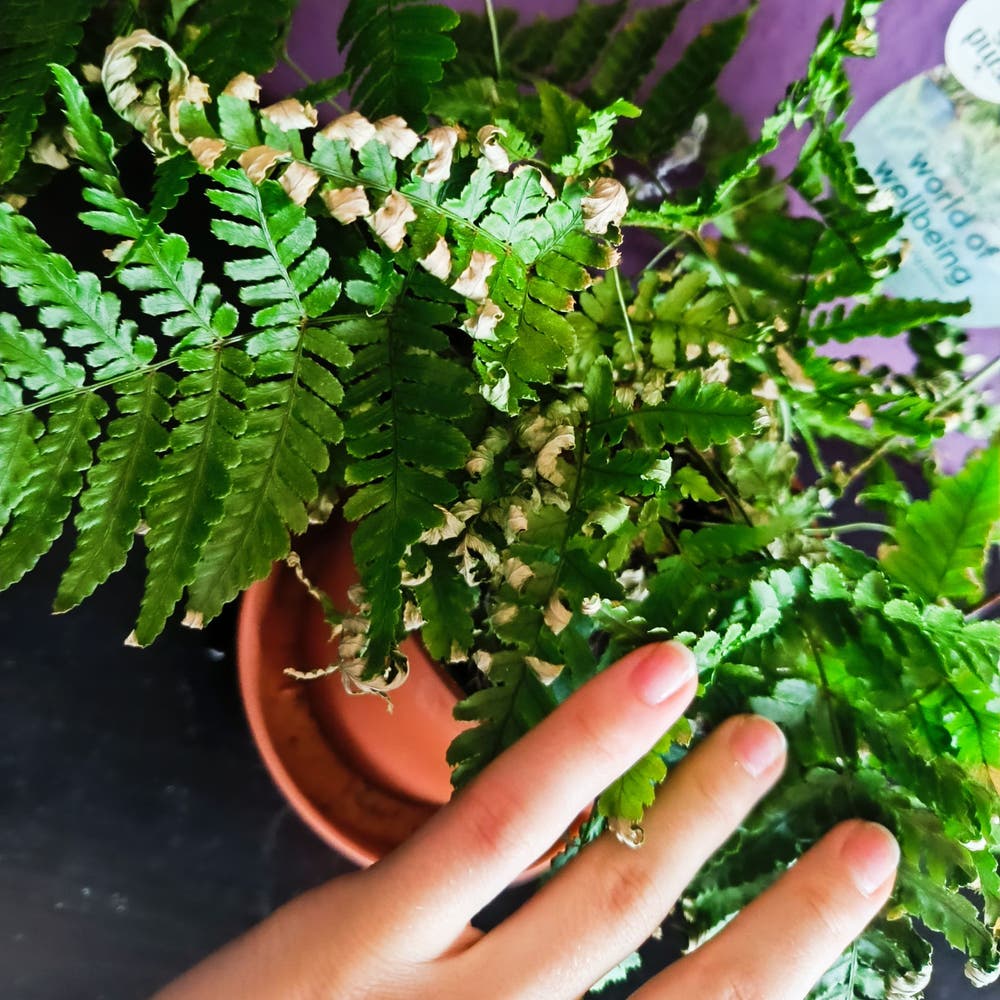
Leather Fern is a true gem in the world of houseplants. Its leathery, dark green fronds can reach impressive lengths of up to 3 feet, creating a lush, tropical vibe that enhances any landscape.
These fronds not only add beauty but also texture, making them a favorite among gardeners and interior decorators alike. Whether used in a garden bed or as a statement piece indoors, Leather Fern brings a touch of elegance.
Reproduction Without Flowers 🌱
While Leather Fern may not produce flowers, it has a fascinating way of reproducing. It relies on spores, which are released from specialized structures called sori located on the underside of its fronds.
These spores can germinate under the right conditions, leading to the formation of new ferns. This unique reproductive strategy allows Leather Fern to thrive in various environments, showcasing its resilience and adaptability.
In summary, even without flowers, Leather Fern captivates with its stunning foliage and remarkable reproductive methods. It’s a plant that proves beauty and survival can go hand in hand.
Unique Aspects of Leather Fern
🌱 Unusual Characteristics Related to Flowering or Non-Flowering
Leather Fern stands out for its remarkable adaptability. It can thrive in a variety of soil types, making it a versatile choice for gardeners.
This fern also flourishes in low-light conditions, allowing it to grow in shaded areas where many other plants struggle. Its resilience is a testament to its unique growth strategy.
📚 Interesting Facts or Trivia About Reproductive Strategies
Unlike flowering plants, Leather Fern reproduces through spores, which allows it to spread rapidly in suitable environments. This spore-based reproduction is an efficient survival strategy, enabling the fern to colonize new areas quickly.
The ability to thrive without flowers highlights the diversity of plant reproductive strategies. Leather Fern's approach is a fascinating example of nature's ingenuity.
As we explore the world of ferns, it's inspiring to see how different species adapt and flourish in their environments. This adaptability not only enhances their survival but also enriches our gardens and landscapes.
⚠️ Safety First
This content is for general information and may contain errors, omissions, or outdated details. It is not medical, veterinary advice, or an endorsement of therapeutic claims.
Always consult a qualified healthcare professional before using any plant as food, medicine, or supplement.
Never eat any plant (or feed one to pets) without confirming its identity with at least two trusted sources.
If you suspect poisoning, call Poison Control (800) 222-1222, the Pet Poison Helpline (800) 213-6680, or your local emergency service immediately.
Spotted an error? Please report it here.
Embrace the resilience of Leather Fern 🌿 by using Greg's tailored care tips to create the perfect environment for your lush, thriving plant!