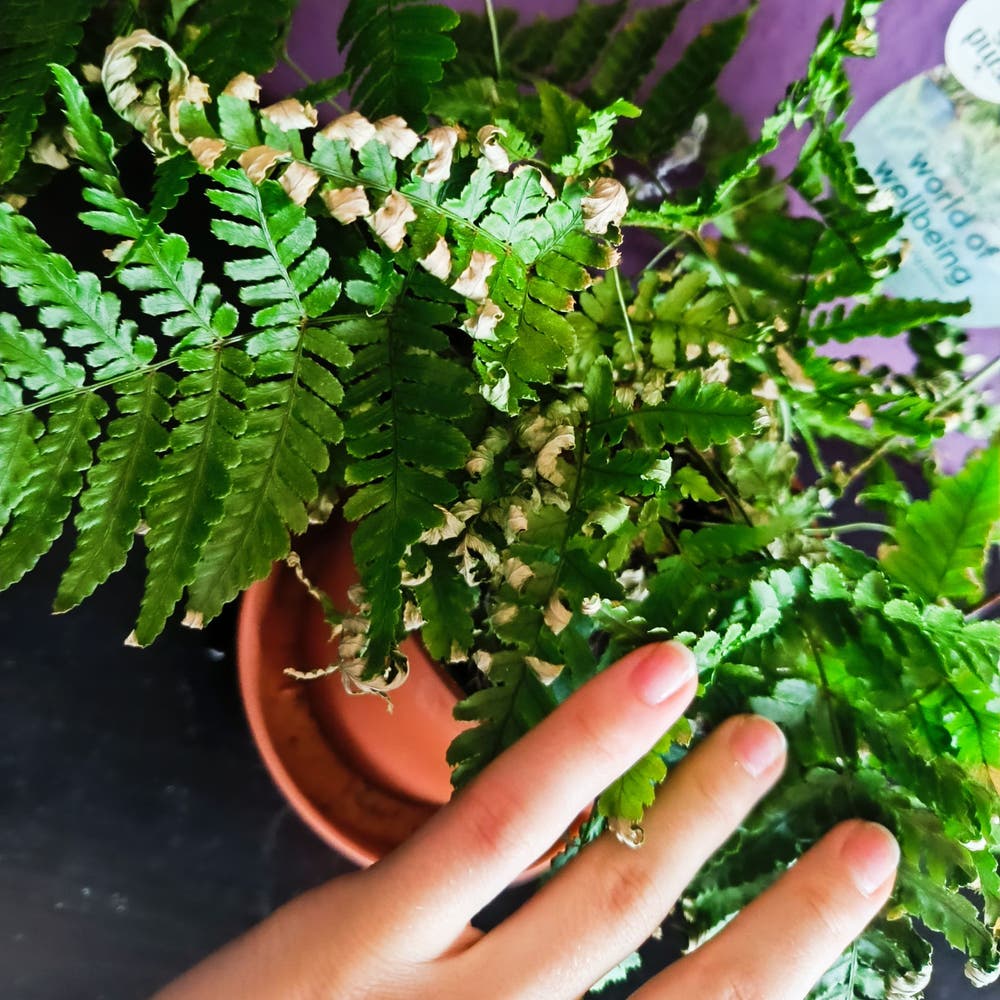
💧 Leather Fern Care: Preventing Wilting
Rumohra adiantiformis
By the Greg Editorial Team
Oct 19, 2024•5 min read
This article was created with the help of AI so we can cover more plants for you. May contain errors. See one? Report it here.
- 💧 Water stress causes wilting; balance between underwatering and overwatering is crucial.
- 🌡️ Heat stress leads to drooping fronds; provide indirect light and cooler conditions.
- 🌿 Monitor soil moisture regularly to prevent wilting and ensure healthy fern growth.
Common Causes of Wilting Leaves
💧 Water Stress
Water stress is a primary culprit behind wilting leaves in Leather Ferns.
Underwatering can lead to dry, crispy fronds that signal your plant is thirsty.
On the flip side, overwatering manifests as yellowing leaves and mushy roots, indicating that your fern is drowning.
🔥 Heat Stress
Heat stress can also take a toll on your fern's health.
Look for symptoms like browning leaf tips and edges, along with drooping fronds, which suggest your plant is struggling.
This stress often arises from exposure to direct sunlight or high temperatures, so keep an eye on its environment.
🦠 Uncommon Causes
While less common, pathogenic wilt can occur in Leather Ferns, though it's typically not a major concern.
If you notice sudden wilting, discoloration, or potential root rot, it may be time to investigate further.
Understanding these causes can help you take proactive steps to keep your fern thriving.
Next, we'll explore how to diagnose wilting effectively.
Diagnosing Wilting
🕵️♂️ Step-by-Step Guide to Diagnose Wilting
Diagnosing wilting in your Leather Fern starts with assessing moisture levels in the soil. Check the top 1-2 inches; if it feels dry, your plant may be underwatered, while sogginess indicates overwatering.
Next, evaluate the environmental conditions. Ensure the temperature is within the ideal range of 60°F to 75°F and confirm that your fern is receiving indirect light.
🔍 Inspecting for Pests and Disease
Inspect the fronds for any signs of pests or disease. Look for discoloration, spots, or webbing that could indicate an infestation or infection.
Finally, check for root health. Gently remove the plant from its pot to inspect the roots for any signs of rot or damage. Healthy roots should be firm and white, while mushy or dark roots signal trouble.
By following these steps, you can effectively diagnose the cause of wilting and take appropriate action. This proactive approach will help ensure your Leather Fern thrives and remains vibrant.
Next, we’ll explore solutions for addressing the wilting issues you've identified.
Solutions for Wilting
🌊 Addressing Water Stress
Underwatering Solutions
If your Leather Fern is underwatered, you'll notice dry, crispy fronds. To revive it, water thoroughly until excess drains out, ensuring the soil is evenly moist.
Next, implement a consistent watering schedule. This helps prevent future stress and keeps your fern happy.
Overwatering Solutions
On the flip side, overwatering leads to yellowing leaves and mushy roots. Allow the soil to dry out before re-watering to restore balance.
Ensure proper drainage in the pot. This prevents water from pooling and keeps the roots healthy.
🔥 Managing Heat Stress
Relocation Strategies
Heat stress can cause browning leaf tips and drooping fronds. If this happens, move your fern to a cooler area with indirect light.
Consider using a humidity tray to increase moisture around the plant. This simple adjustment can make a significant difference.
Temporary Shading Techniques
During peak sunlight hours, use sheer curtains or plant covers. This shields your fern from harsh rays and helps maintain its vitality.
🦠 Solutions for Disease-Related Wilting
If you suspect disease is the culprit, act quickly. Remove affected fronds to prevent the spread of any issues.
Treat with appropriate fungicides if necessary. This can help restore your fern's health and prevent further damage.
🌱 Techniques for Reviving Wilted Ferns
Bottom Watering Technique
One effective method for reviving wilted ferns is bottom watering. Place the pot in a shallow tray of water.
Allow the soil to absorb moisture from the bottom for about 30 minutes. This encourages deep root hydration.
Pruning Damaged Leaves
Another technique is pruning damaged leaves. Use clean, sharp scissors to cut away wilted fronds.
Focus on removing only the most affected areas. This encourages new growth and revitalizes your fern.
With these solutions, your Leather Fern can bounce back from wilting. Next, let’s explore preventive measures to keep your fern thriving.
Preventive Measures
Best Practices to Minimize Wilting Risk 🌿
To keep your Leather Fern thriving, regular monitoring of soil moisture is crucial. Check the top 1-2 inches of soil frequently to ensure it’s neither too dry nor overly soggy.
Establishing a consistent watering routine based on seasonal changes can make a significant difference. During warmer months, your fern may need more water, while cooler months might require less.
Avoiding sudden changes in environmental conditions is also key. Gradual adjustments help your fern adapt without stress, reducing the risk of wilting.
Environmental Adjustments for Optimal Growth 🌈
Maintaining humidity levels between 50-70% is ideal for Leather Ferns. A simple humidity tray or misting can help create a more favorable environment.
Using a thermometer and hygrometer allows you to monitor temperature and humidity accurately. These tools ensure your fern is living in its preferred conditions.
Adjusting light exposure is essential to prevent direct sunlight from scorching your fern. Aim for bright, indirect light to keep those fronds lush and healthy.
By implementing these preventive measures, you can significantly reduce the chances of wilting. This proactive approach sets the stage for a vibrant, flourishing Leather Fern.
Next, let’s explore when it’s time to seek professional help for your plant care needs.
When to Seek Help
Signs That Professional Assistance is Needed 🌱
If your Leather Fern is wilting persistently despite your best care efforts, it may be time to seek professional help. Look out for severe pest infestations or signs of disease, such as unusual discoloration or rapid decline.
Resources for Support 🛠️
Local nurseries can be a great resource for expert advice tailored to your specific situation. Additionally, consider joining Greg, the online plant care community, where you can connect with fellow plant enthusiasts and access a wealth of knowledge and support.
Understanding when to ask for help can save your fern and enhance your plant care journey. With the right resources, you can ensure your Leather Fern thrives!
⚠️ Safety First
This content is for general information and may contain errors, omissions, or outdated details. It is not medical, veterinary advice, or an endorsement of therapeutic claims.
Always consult a qualified healthcare professional before using any plant as food, medicine, or supplement.
Never eat any plant (or feed one to pets) without confirming its identity with at least two trusted sources.
If you suspect poisoning, call Poison Control (800) 222-1222, the Pet Poison Helpline (800) 213-6680, or your local emergency service immediately.
Spotted an error? Please report it here.
Keep your Leather Fern lush and vibrant 🌱 by using Greg's personalized watering reminders and community support to prevent wilting and ensure optimal care!