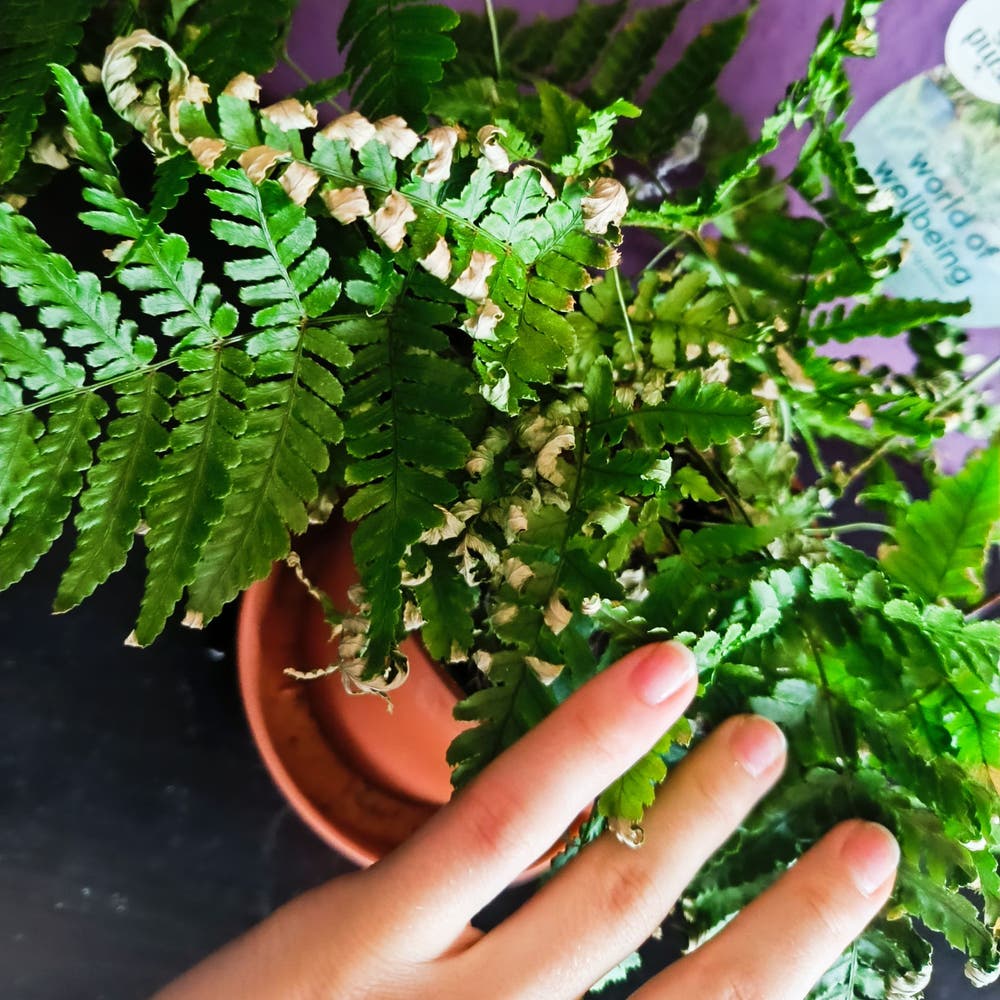
Leather Fern: Not an Annual
Rumohra adiantiformis
By the Greg Editorial Team
Jan 07, 2025•5 min read
This article was created with the help of AI so we can cover more plants for you. May contain errors. See one? Report it here.
- 🌱 Leather ferns are perennials, thriving for years in suitable environments.
- 🌿 They reproduce through spores, unlike annuals, ensuring longevity and resilience.
- 💧 Moisture-retentive fronds and deep roots help leather ferns thrive in shaded areas.
Leather Fern as a Perennial
🌱 Genetic Characteristics
Leather ferns are remarkable for their genetic makeup, which includes a unique chromosome structure that enhances their adaptability. This adaptation is crucial for their long-term survival, allowing them to thrive in various environments.
Their genetic resilience is another key feature. Leather ferns can withstand environmental stressors, such as drought and temperature fluctuations, making them a hardy choice for gardeners.
🌿 Physiological Traits Supporting Perennial Growth
The leaf structure of leather ferns is one of their standout traits. With thick, leathery fronds, these plants excel at moisture retention, which is vital for their survival in shaded areas.
Additionally, their root system is deep and extensive. This allows leather ferns to absorb nutrients efficiently, supporting their growth and longevity.
⏳ Long-Term Lifecycle
Leather ferns can live for several years, often thriving in shaded, moist environments. Their ability to adapt to these conditions contributes to their status as a perennial plant.
In terms of seasonal behavior, leather ferns exhibit dormancy in winter. They spring back to life with active growth in the warmer months, showcasing their resilience and adaptability.
This lifecycle not only highlights their perennial nature but also emphasizes the importance of understanding their growth patterns for successful gardening.
Lifecycle Comparison with True Annuals
Growth Patterns 🌱
Leather Ferns exhibit a slower growth rate compared to fast-growing annuals. This gradual establishment allows them to focus on developing a robust root system and healthy fronds rather than rushing into flowering.
Flowering and Seed Production 🌼
Unlike many annuals, Leather Ferns do not produce flowers. Instead, they reproduce through spores, which is a more gradual process than the quick seed production seen in annual plants.
Unique Reproductive Strategies 🌍
The spore dispersal mechanism of Leather Ferns is fascinating. They rely on wind and water to spread their spores, ensuring their presence in suitable environments.
Their reproductive strategies are finely tuned to their native habitats. This adaptation allows them to thrive in shaded, moist areas, where their unique lifecycle can flourish without the competition faced by annuals.
This comparison highlights the distinct advantages of Leather Ferns as perennials, setting them apart from the rapid life cycles of true annuals. As we move forward, let’s explore the misconceptions surrounding Leather Ferns and the exceptions that can lead to their treatment as annuals.
Misconceptions and Exceptions
🌱 Conditions Leading to Annual Treatment
Many gardeners mistakenly treat Leather Fern as an annual due to harsh winters. In regions where temperatures plummet, these ferns can struggle, leading to mismanagement and the belief that they cannot survive year-round.
Poor soil conditions also play a significant role in this misconception. When the soil lacks nutrients or proper drainage, Leather Ferns may not thrive, further reinforcing the idea that they are short-lived plants.
🌍 Geographic Variations
Regional climate effects can dramatically influence the growth patterns of Leather Ferns. In warmer, more temperate areas, these ferns flourish, while in colder climates, they may appear stunted or even die back.
Local gardening practices can contribute to misunderstandings about Leather Ferns. If gardeners are unaware of the plant's perennial nature, they might inadvertently treat it as an annual, leading to a cycle of mismanagement and disappointment.
Understanding these misconceptions is crucial for appreciating the true nature of Leather Ferns. By recognizing the environmental factors at play, gardeners can better support these resilient plants and enjoy their beauty for years to come.
Gardening Implications
Advantages in Garden Design 🌿
Leather Ferns bring a unique aesthetic to any garden. Their thick, leathery fronds add texture and depth, making them a standout choice for perennial gardens.
Beyond looks, these ferns offer ecological benefits. They support local wildlife, providing habitat and food sources for various species, which enhances biodiversity in your garden.
Planning for Perennial Growth 🌱
When planning your garden, consider companion planting. Pair Leather Ferns with shade-loving plants like hostas or astilbes to create a lush, layered effect.
Layering is also key for visual interest. Utilize the varying heights and densities of foliage to create a dynamic landscape that draws the eye.
Seasonal Considerations 🍂
Spring is a crucial time for Leather Fern care. Monitor early growth closely to ensure they’re thriving and address any issues promptly.
As fall approaches, prepare your ferns for dormancy. This includes protecting them from harsh winter conditions to ensure they return strong in the spring.
Transitioning to the next topic, understanding management tips will further enhance your gardening experience with Leather Ferns.
Management Tips
Best Practices for Longevity 🌱
To ensure your Leather Fern thrives, start with the right soil. It prefers well-draining, moisture-retentive soil that allows roots to breathe while keeping them hydrated.
Establishing a consistent watering schedule is crucial. Aim for consistent moisture without waterlogging, as too much water can lead to root rot.
Care Strategies for Perennial Ferns 🌿
Fertilization plays a key role in promoting healthy growth. Opt for organic options, such as compost or well-balanced fertilizers, to nourish your fern without harmful chemicals.
Pruning is another essential care strategy. Regularly trim dead or damaged fronds to encourage new growth and maintain the plant's overall health.
Common Challenges and Solutions 🐛
Pest management is vital for keeping your Leather Fern healthy. Be vigilant for common pests like aphids or spider mites, and use insecticidal soap or neem oil to control infestations.
Disease prevention is equally important. To avoid fungal issues, ensure good air circulation around your fern and avoid overhead watering, which can create a damp environment conducive to disease.
By following these management tips, you can enjoy a vibrant and resilient Leather Fern in your garden for years to come. Next, let’s explore the gardening implications of incorporating this unique perennial into your landscape.
⚠️ Safety First
This content is for general information and may contain errors, omissions, or outdated details. It is not medical, veterinary advice, or an endorsement of therapeutic claims.
Always consult a qualified healthcare professional before using any plant as food, medicine, or supplement.
Never eat any plant (or feed one to pets) without confirming its identity with at least two trusted sources.
If you suspect poisoning, call Poison Control (800) 222-1222, the Pet Poison Helpline (800) 213-6680, or your local emergency service immediately.
Spotted an error? Please report it here.
Unlock the perennial potential of leather ferns 🌿 with Greg's tailored care tips and watering reminders, ensuring they flourish beautifully in your garden!